
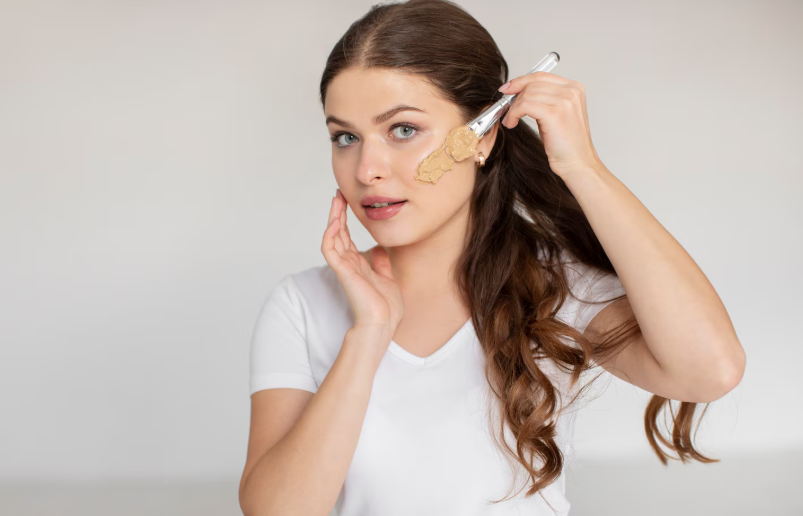
Skin rejuvenation focuses on restoring a healthy, youthful appearance by improving skin tone, texture, and overall vitality. With daily exposure to environmental stressors and natural aging processes, the skin often requires targeted care to maintain its resilience and clarity. By following structured and effective practices, individuals can support skin rejuvenation and promote long-term skin health.
Cleanse and Exfoliate With Intention
The foundation of any effective skincare routine is how you clean your face. Dirt, oil, and pollutants build up on your skin during the day. So, washing your face morning and night is a key step. Simple cleansing is not always enough to remove dead cells that dull skin. Gentle exfoliation helps sweep away these old cells. It reveals the fresher, brighter skin underneath.
Add an exfoliant to your routine, but be careful not to overdo it. Harsh scrubbing can damage your skin. A gentle chemical exfoliant can effectively dissolve bonds between dead cells. This process stimulates skin rejuvenation. It also allows serums and moisturizers to penetrate more deeply. Choose a product that matches your skin type to avoid irritation. Clearing away debris creates the perfect canvas for your skin’s revitalization.
Hydrate and Nourish Skin Barriers
A healthy skin barrier is your main defense. It protects you from irritants and moisture loss. When the barrier is weak, your skin gets dry and sensitive. It can also be prone to premature aging. Hydration adds water to skin cells. Moisturizers then seal that hydration in. This process keeps the skin soft and supple. Look for ingredients such as hyaluronic acid to attract moisture. Ceramides also help rebuild the protective layer.
Dry skin often makes fine lines more noticeable. Keeping your face hydrated is key to a youthful look. Nourishing creams give your skin the lipids and oils it needs. This helps it stay flexible and resilient. Apply moisturizer while your skin is still damp. This simple step locks in water more effectively. This habit supports skin restoration. It prevents the dehydration that makes skin look tired.
Protect Skin From Environmental Damage
Our environment plays a huge role in how our skin ages. Sun rays break down collagen and elastin, causing sagging and wrinkles. Wearing broad-spectrum sunscreen every day is a skincare habit for preventing damage. Even on cloudy days, UV radiation penetrates clouds and affects your skin.
Pollution and free radicals cause oxidative stress, which speeds up aging. Antioxidants like Vitamin C are powerful because they neutralize these harmful radicals. Using a morning antioxidant serum adds defense and brightens your complexion. Combine this with your daily sun protector factors (SPF) for full protection against stressors. This proactive approach is key to long-term skin renewal.
Stimulate Renewal With Targeted Treatments
Sometimes, topical products alone are not enough to achieve significant skin revitalization. Professional treatments can reach deeper layers of the tissue to stimulate collagen production and correct structural issues. This treatment targets a variety of concerns, ranging from acne scars and enlarged pores to fine lines and uneven texture.
The process works by delivering RF energy through silicone-coated electrodes that penetrate deep into the skin. This energy creates bulk heating in the dermal tissue, while the microneedles create micro-channels that activate the body’s natural wound-healing response. This dual action triggers the production of new collagen and elastin, resulting in firmer and smoother skin. You can even enhance these sessions with exosomes, which are stem cell-derived growth factors that further propel the healing response.
Support Skin Rejuvenation From Within
Your external appearance often reflects your internal health and lifestyle choices. Nutrition plays a massive role in skin restoration because your body needs specific nutrients to build healthy cells. Foods rich in omega-3 fatty acids, vitamins, and antioxidants support your skin’s structure and reduce inflammation. Conversely, a diet high in processed sugars can degrade collagen and worsen skin issues.
Sleep is another fundamental factor because this is when your body enters repair mode. During deep sleep, blood flow to the skin increases, and the body works to repair UV damage and rebuild collagen. Chronic stress triggers cortisol release, and high levels of this hormone can weaken the skin’s defenses. Finding ways to manage your stress, such as exercise or meditation, helps preserve the results of your facial rejuvenation. Lifestyle balance is just as effective as the products you apply to your face.
Book a Consultation Today
Reclaiming your skin’s glow involves protection, nourishment, and targeted care. By maintaining a consistent routine and exploring advanced options, you can effectively support your skin’s natural renewal process.
These five steps provide a clear path toward a healthier, more youthful complexion that you can feel confident in. If you have questions about your skin revitalization, book a consultation with qualified, licensed skin rejuvenation specialists near you today.