
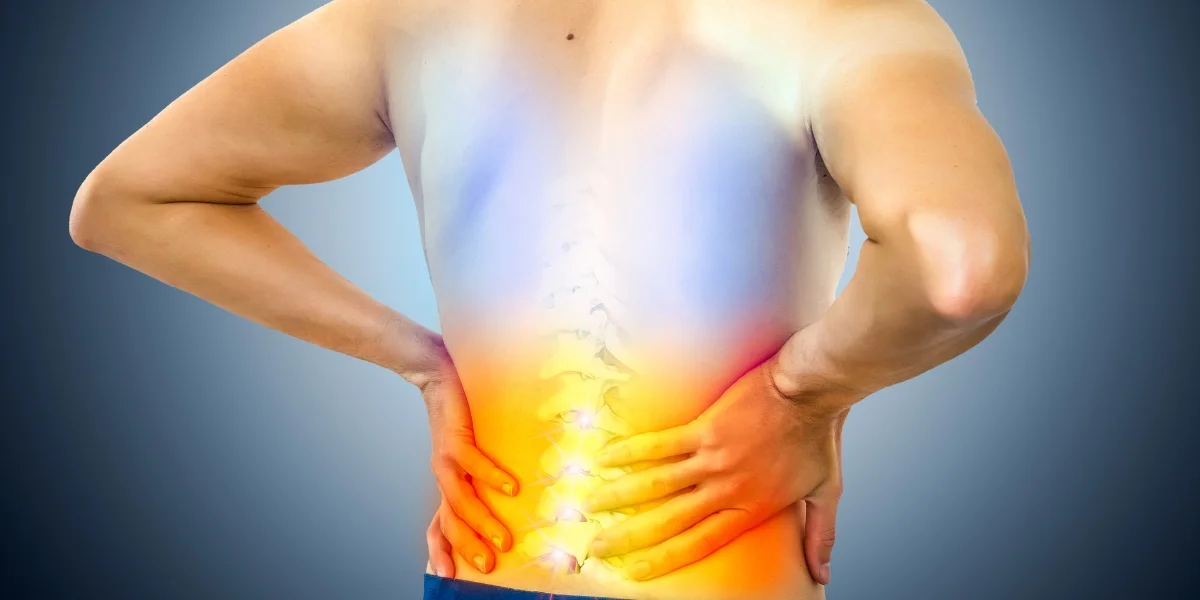
Chronic lower back pain is one of the most common health problems in the world. Almost everyone experiences back pain at some point, but when the pain lasts longer than 12 weeks, it is considered chronic. This condition can affect your work, hobbies, sleep, and overall well-being.
Let’s explore why chronic lower back pain happens, what can make it worse, and what treatments can help you feel better.
Understanding Chronic Lower Back Pain
Lower back pain starts in the area between your rib cage and your hips. This part of your back carries much of your body weight and helps you bend, twist, and move. When pain lingers for months, it can feel exhausting, frustrating, and sometimes scary.
Pain may be dull and aching, sharp and stabbing, or cause tingling and numbness that travels down your legs. Some people have flare-ups, where the pain comes and goes. Others feel it constantly.
Common Causes of Chronic Lower Back Pain
There are many reasons why lower back pain can become chronic. Let’s look at the most common causes:
1. Muscle or Ligament Strain
Overusing your back muscles, lifting something heavy the wrong way, or making repetitive motions can strain your muscles and ligaments. While mild strains heal in a few weeks, severe or repeated strains can lead to chronic pain.
2. Degenerative Disc Disease
Between each of your spine’s bones (vertebrae) are soft discs that act as cushions. As we age, these discs can break down or lose moisture, making them less effective at absorbing shock. This condition can cause pain, stiffness, or even pinched nerves.
3. Herniated or Bulging Discs
Sometimes, a disc can bulge out or even rupture. This disc material can press on nearby nerves, causing pain that radiates down the leg (sciatica). If the problem does not heal, it can lead to chronic discomfort.
4. Arthritis
Osteoarthritis affects the joints of the spine, wearing down cartilage and leading to inflammation and pain. Arthritis in the spine can also narrow the space around the spinal cord, a problem called spinal stenosis.
5. Poor Posture
Sitting hunched over a desk or standing improperly for long periods can strain your lower back muscles and ligaments. Over time, poor posture leads to chronic muscle tension and pain.
6. Injuries
Car accidents, sports injuries, or falls can damage muscles, ligaments, or the spine itself. Sometimes, the damage never heals completely, causing ongoing pain.
7. Medical Conditions
Other health problems can also cause chronic lower back pain, such as:
- Scoliosis (curvature of the spine)
- Kidney stones or infections
- Fibromyalgia
- Osteoporosis (weakening of bones)
8. Emotional Stress
Stress and depression can increase muscle tension in your back and make pain feel worse. Over time, a cycle of stress and pain can keep the discomfort going.
Treatments for Chronic Lower Back Pain
The good news is that many treatments can help relieve chronic back pain. Often, combining several approaches works best.
1. Exercise and Physical Therapy
Staying active is one of the most effective ways to treat chronic pain. A physical therapist can teach you exercises to strengthen your back, improve flexibility, and reduce pain. Some helpful exercises include:
- Gentle stretching
- Core strengthening (to support your spine)
- Low-impact aerobic activity, like walking or swimming
Movement also increases blood flow to your muscles and helps your body heal.
2. Heat and Cold Therapy
Applying heat can relax tight muscles, while cold packs can reduce inflammation. Try alternating between the two, especially after activity.
3. Pain Medication
Over-the-counter medicines, like ibuprofen or acetaminophen, can help manage pain and inflammation. If pain is severe, your doctor may prescribe stronger medications for short-term relief.
However, long-term use of painkillers—especially opioids—can be risky, so it’s important to use them carefully.
4. Manual Therapies
Chiropractic adjustments, massage therapy, and acupuncture have helped many people ease chronic lower back pain. These therapies can relax muscles, improve circulation, and reduce stress.
5. Posture Improvement
Simple changes in how you sit, stand, and lift objects can make a big difference. Use an ergonomic chair, avoid slouching, and take frequent breaks if you sit for long periods.
6. Injections
For some people, steroid injections near the spine can provide pain relief for several months. These injections help reduce inflammation around irritated nerves.
7. Surgery
Surgery is usually a last resort, reserved for cases where other treatments have failed or when there is serious nerve compression. Common procedures include:
- Discectomy (removing part of a herniated disc)
- Spinal fusion (joining vertebrae together to stabilize the spine)
8. Mind-Body Techniques
Managing stress can help you break the cycle of pain. Practices like yoga, meditation, and deep breathing exercises can improve your mood and reduce tension in your back.
Preventing Chronic Lower Back Pain
While not every case can be prevented, these tips can lower your risk:
✅ Stay active and maintain a healthy weight.
✅ Use good posture when sitting and standing.
✅ Lift heavy objects carefully—bend your knees, not your back.
✅ Avoid smoking, which slows healing.
✅ Sleep on a supportive mattress.
When to See a Doctor
Seek medical help if your back pain:
- Is severe or getting worse
- Causes numbness, weakness, or tingling in your legs
- Comes with unexplained weight loss or fever
- Follows a serious injury
Your doctor can run tests to find out what’s causing the problem and recommend the best treatment plan.
Final Thoughts
Chronic lower back pain can feel overwhelming, but you don’t have to live with it forever. With the right care, most people find relief and can return to their normal activities. Be patient with your body, stay active, and work closely with your healthcare team.
5 Frequently Asked Questions (FAQs)
1. How long does it take for chronic lower back pain to improve?
It varies. Some people feel better in a few weeks with exercise and treatment. Others may take several months or longer. Staying active and consistent with therapy usually speeds recovery.
2. Is bed rest good for chronic lower back pain?
No. Prolonged bed rest often makes pain worse. Light activity and gentle stretching help your muscles stay strong and flexible.
3. Can stress really make my back pain wors
Yes. Stress causes muscle tension and increases pain sensitivity. Relaxation techniques, like deep breathing and meditation, can help.
4. When should I consider surgery for my back pain?
Surgery is only recommended if you have severe nerve compression, weakness, or if all other treatments have failed after many months.
5. What type of exercise is best for chronic lower back pain?
Low-impact activities like walking, swimming, or yoga are usually safe. A physical therapist can design a program tailored to your needs.