
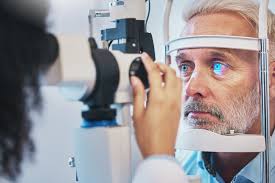
Regular eye exams are fundamental for maintaining clear vision and detecting potential problems. During an eye exam, your doctor checks not only how well you see but also evaluates the overall health of your eyes. They look out for early signs of conditions such as glaucoma, cataracts, or macular degeneration. Here’s what you can expect during your eye exams:
Reviewing Your Medical History
Most eye exams begin with a discussion about your health background. The eye care professional will ask about your family’s eye health history, medications you take, and vision problems you’ve experienced. They may also ask about your daily activities, such as how much time you spend looking at screens or reading.
The information you provide helps your doctor understand your potential risk factors for eye conditions. A family history of glaucoma or macular degeneration also provides key information about your risk levels. The staff will also review previous eye prescriptions or treatments you’ve received. The background information guides the rest of your examination and helps your doctor focus on areas that require attention.
Testing Vision and Refraction
Vision testing makes up a fundamental part of eye exams. You’ll read letters from an eye chart, starting with large letters at the top and moving to smaller ones below. This test measures how clearly you can see at different distances.
Your doctor will also perform refraction testing to determine if you need glasses or contact lenses. During this test, you’ll look through a special machine called a phoropter while the doctor changes different lenses. You’ll tell them which lens makes letters appear clearer or sharper.
Further vision tests may include checking your peripheral vision and color vision. The outcomes of these assessments enable your doctor to recommend corrective measures, such as eyeglasses or contact lenses. They also provide a baseline for monitoring any changes in your vision over time.
Evaluating Eye Health
The eye health evaluation examines the structures inside and around your eyes. Your doctor will use a bright light and magnifying lens to look at the front parts of your eyes, including your eyelids, cornea, and iris. Pupil dilation often occurs during this part of the exam. The doctor will put special drops in your eyes that make your pupils larger. This allows them to see the back of your eye clearly, including your retina and optic nerve. Your vision may be blurry for a few hours after dilation; it is helpful to bring sunglasses or arrange transportation.
Discussing Results and Next Steps
After completing the examination, your eye doctor will review the findings in detail. They will discuss the overall health of your eyes, including the condition of your retina, optic nerve, and any other structures evaluated during the exam. This is an opportunity to ask questions and gain a clear understanding of your eye health status.
If issues are detected, the eye doctor will outline the next steps clearly and concisely. This may include recommending further diagnostic tests, prescribing corrective lenses, or suggesting treatment options. The goal of this discussion is to provide you with a comprehensive plan to address concerns and maintain optimal vision health.
Regular follow-up appointments may be necessary depending on your diagnosis or risk factors. The doctor will specify an appropriate timeline for your next visit, which could range from a few weeks to a year. Maintaining these appointments is key to early detection and management of potential eye issues.
Schedule Your Routine Eye Exams
Regular eye exams are a helpful way to maintain good vision and catch problems before they become serious. Most eye conditions are easier to treat when detected early, making routine check-ups a smart asset in your long-term eye health. Contact a trusted eye care provider near you today to schedule your routine eye exam.
- What Is the Difference Between an Orthopedist and an Orthopedic Surgeon?
- What Does an Orthopedic Traumatologist Do? Complete Guide
- What Is the Pathology of the Skin? A Complete Guide
- What Is Dermatology Practical and Conceptual? Everything You Need to Know
- How Can I Find Dermatologos Cerca de Mi Ubicación? Complete Guide