
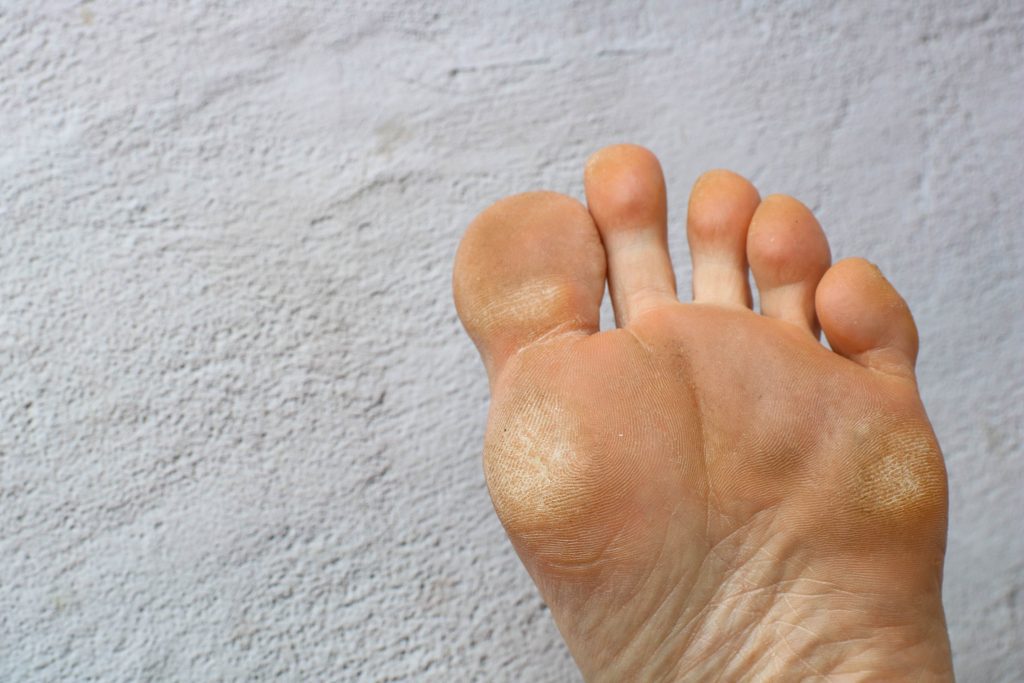
Podiatry is a specialized field of medicine that focuses on the study, diagnosis, and treatment of conditions affecting the feet, ankles, and lower extremities. Podiatrists support individuals with issues ranging from ingrown toenails and bunions to complications arising from diabetes and circulatory problems. One concern podiatrists address is the development of foot ulcers, which are open sores or wounds. Here is more information about foot ulcers and some ways to prevent them:
Recognizing Foot Ulcers
Foot ulcers are wounds or open sores that either take a long time to heal or tend to come back even after treatment. Ulcers commonly appear on the bottom of the foot, beneath the big toe, or on pressure points under constant friction, such as the ball of the foot. Individuals with poor blood flow or nerve damage in their feet can be at risk for ulcers, including patients with diabetes. Sometimes, minor injuries like blisters, cuts, or scrapes develop into ulcers if they do not heal.
Identifying Symptoms
Identifying the early symptoms of a foot ulcer helps prevent further complications. Common symptoms include:
- Drainage: Spotting or wetness on the inside of your socks may indicate a sore beginning to open.
- Inflammation: Swelling, redness, or irritation in a specific area could signal inflammation, and calluses around a wound may also be present.
- Foul odor: Strong smells may come from an infected ulcer.
- Discolored tissue: Some see black or brown tissue, known as eschar, around the edges or at the base.
Some ulcers produce little or no pain, especially in those who have nerve damage from diabetes or other conditions, making self-examination beneficial. Any break in the skin on your foot that is slow to close or heal is a cause for caution. It helps to inspect your feet daily to notice new or unusual changes early.
Preventing Ulcers
Regular foot care plays a key role in limiting the risk of ulcers. Check your feet every day for new blisters, cuts, color changes, or swelling. It might be helpful to place a mirror on the floor to see the bottoms of your feet. Washing your feet daily with mild soap and lukewarm water helps remove dirt and detect minor injuries. Dry thoroughly, especially between the toes, and use an unscented moisturizer on dry areas.
Trimming your toenails straight across reduces the likelihood of ingrown toenails. Choose socks made from materials that wick moisture away and shoes with a wide toe box to prevent rubbing. If you need to stand or walk for long periods, take breaks and change positions to relieve pressure points. Individuals living with diabetes benefit from annual visits to a podiatry clinic, which offers support tailored to their needs.
Treating Ulcers
Healing a foot ulcer begins with wound care, which a podiatrist provides in a clinical setting. The process may involve gently cleaning the area and removing dead skin and tissue, a procedure called debridement, to facilitate the growth of healthy tissue. Specialized dressings that keep the wound moist and clean are used to protect against infection and support healing. Podiatry clinics may prescribe antibiotics if signs of infection are present. Reducing pressure on the affected area also assists in healing; methods include using special footwear, crutches, or mobility aids that distribute weight evenly and limit pressure on the ulcer site. For larger or non-healing wounds, your healthcare provider may recommend advanced treatments, such as reconstructive surgery or skin grafts.
Get Podiatry Care Today
Supporting the health of your feet helps you stay active, reduces the chance of infections, and keeps you comfortable throughout your daily activities. Foot ulcers are a serious issue that benefits from an evaluation, which provides individualized plans for healing and prevention. If you notice a sore on your foot not healing within a few days or see signs of infection, make an appointment with a podiatrist for a thorough evaluation. Contact a podiatry clinic today to learn more.
- What Is the Difference Between an Orthopedist and an Orthopedic Surgeon?
- What Does an Orthopedic Traumatologist Do? Complete Guide
- What Is the Pathology of the Skin? A Complete Guide
- What Is Dermatology Practical and Conceptual? Everything You Need to Know
- How Can I Find Dermatologos Cerca de Mi Ubicación? Complete Guide