
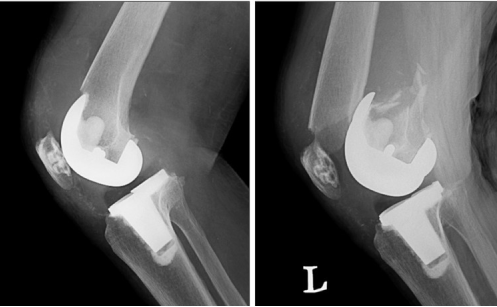
Total joint replacement surgery can restore mobility and reduce chronic pain when conservative treatments no longer provide relief. This procedure replaces damaged joints with prosthetic components, enabling patients to resume their daily activities with reduced discomfort. Understanding the process helps patients prepare mentally and physically for their surgical journey. Here are some of the things to expect from total joint replacement surgery:
Surgery Preparation Steps
Preparing for surgery helps support smoother procedures and a faster recovery. Preoperative evaluations may include a physical exam to assess overall health and determine any necessary adjustments to diet, activity, or therapy routines. Laboratory testing, such as blood work and urinalysis, can establish baseline health metrics and identify conditions that may influence surgical planning.
Medication review is also part of the process, as some prescriptions, including blood thinners, may need to be adjusted before surgery. Fasting instructions generally start 12 hours prior, allowing only water, which helps reduce anesthesia-related risks. Following these steps helps enable the body to be ready for the procedure and recovery.
Surgical Procedure Overview
Total joint replacement surgery typically takes place in a hospital or specialized surgical facility. The surgical team normally includes orthopedic surgeons, anesthesiologists, and surgical nurses who coordinate throughout the procedure. Anesthesia begins the process, with local anesthetic numbing the surgical area or general anesthesia providing comfort and sleep.
Small incisions near the affected joint allow the surgeon to access the damaged area. Diseased bone and surrounding tissue are carefully removed to create space for the prosthetic components. These components, made of metal, ceramic, or plastic, are precisely positioned to restore joint mechanics and alignment.
Once the prosthetic components are in place, the surgical team closes the incisions using adhesive or sutures and applies protective bandages to the area. Postoperative monitoring begins immediately in the recovery area to track vital signs and overall condition. Staff provide guidance on early movement and initial rehabilitation activities as anesthesia wears off.
Recovery Timeline and Expectations
Recovery experiences differ based on the joint replaced and individual patient factors. Some patients return home the same day, while others may require overnight hospital observation. Transportation arrangements are necessary, as driving is unsafe while anesthesia effects persist, so having a friend or family member assist supports safe transition. Initial recovery often includes pain, swelling, and bruising around the surgical site, which typically improves within the first week.
Guidelines during the first few days after surgery support optimal healing:
- Rest frequently and avoid strenuous activities
- Take prescribed medications as directed
- Stay hydrated with plenty of water
- Keep incision sites clean and covered
- Follow all post-operative instructions carefully
As healing progresses, enrolling in physical therapy becomes a priority. Structured exercise programs help restore joint function, improve strength, and reduce the risk of complications that could slow overall recovery.
Schedule Your Total Joint Replacement Today
Physical therapy supports recovery and restores joint mobility after surgery. Exercise programs are customized to each patient’s needs, and follow-up appointments track progress and adjust activity as necessary. Recovery timelines vary, but most patients see improvement within weeks to months. Consult a sports medicine specialist to maximize recovery and joint function.
- What Is the Difference Between an Orthopedist and an Orthopedic Surgeon?
- What Does an Orthopedic Traumatologist Do? Complete Guide
- What Is the Pathology of the Skin? A Complete Guide
- What Is Dermatology Practical and Conceptual? Everything You Need to Know
- How Can I Find Dermatologos Cerca de Mi Ubicación? Complete Guide