
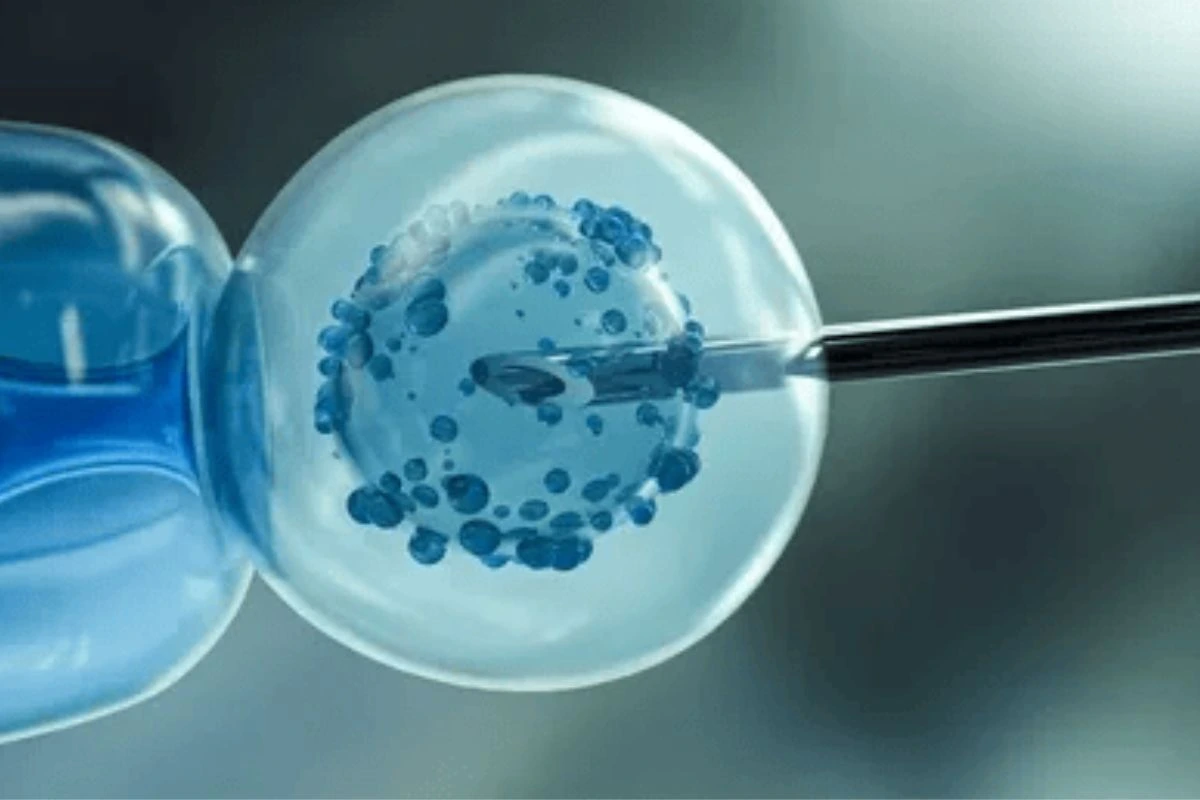
In Vitro Fertilization (IVF) is a multi-step medical process that is designed to assist with conception. This process involves a series of procedures that can affect a person’s body in several ways. Understanding these potential effects can help individuals prepare for the physical and emotional experiences associated with the treatment. The process intentionally alters the body’s natural hormonal cycles to facilitate fertilization and implantation of the embryo.
Hormonal Changes
The IVF process starts with controlled ovarian hyperstimulation, where injectable hormone medications encourage the ovaries to produce multiple mature eggs instead of the single egg that typically develops each month. These medications often include follicle-stimulating hormone (FSH) and luteinizing hormone (LH), which directly affect the endocrine system. This stage increases hormone levels, particularly estrogen, marking a major departure from a regular menstrual cycle.
This surge in hormones causes many of the physical and emotional symptoms individuals experience during IVF treatment. Later in the process, medical professionals introduce another set of hormones to prepare the uterine lining for embryo transfer. These carefully timed hormonal changes increase the chances of a successful pregnancy.
Physical Symptoms
The administration of fertility medications can lead to a range of physical symptoms. During the ovarian stimulation phase, you may experience:
- Bloating
- Abdominal cramping
- Breast tenderness
- Mild pelvic discomfort
- Headaches
- Nausea
Following the egg retrieval procedure, a minimally invasive surgical process, it is possible to experience light spotting and continued cramping for a few days. These symptoms are typically temporary and resolve after the treatment cycle concludes.
Emotional Impact
Hormonal fluctuations, central to IVF, can also significantly impact emotions. The medications used may contribute to mood swings, heighten anxiety, and cause feelings of being overwhelmed. This emotional response combines with the inherent stress of the fertility journey, the anticipation of outcomes, and the physical demands of the treatment schedule. Recognize that these feelings are a regular part of the process; a strong support system, including partners, friends, or professional counselors, can prove beneficial.
Long-Term Effects
Discussions about the long-term effects of IVF often center around the medications used for ovarian stimulation. The IVF process has been practiced for several decades, with ongoing studies monitoring the health of individuals who have undergone treatment. These studies aim to provide a deeper understanding of potential risks and long-term outcomes.
With any medical procedure, it is helpful to discuss current research findings with your healthcare provider. Your medical team can provide personalized guidance based on your health history and treatment plan. This can help you gain the knowledge necessary to make thoughtful decisions regarding your care.
Talk to Your IVF Doctor
Navigating the IVF process involves understanding how the treatment will interact with your body. Each person’s experience is unique, and maintaining open communication with your medical team is beneficial. Your doctor can offer detailed explanations of what to expect during each stage, manage any symptoms that arise, and provide guidance tailored to your specific situation. If you have questions or concerns about the effects of IVF, schedule an appointment to speak with your fertility specialist.
- What Is the Difference Between an Orthopedist and an Orthopedic Surgeon?
- What Does an Orthopedic Traumatologist Do? Complete Guide
- What Is the Pathology of the Skin? A Complete Guide
- What Is Dermatology Practical and Conceptual? Everything You Need to Know
- How Can I Find Dermatologos Cerca de Mi Ubicación? Complete Guide