
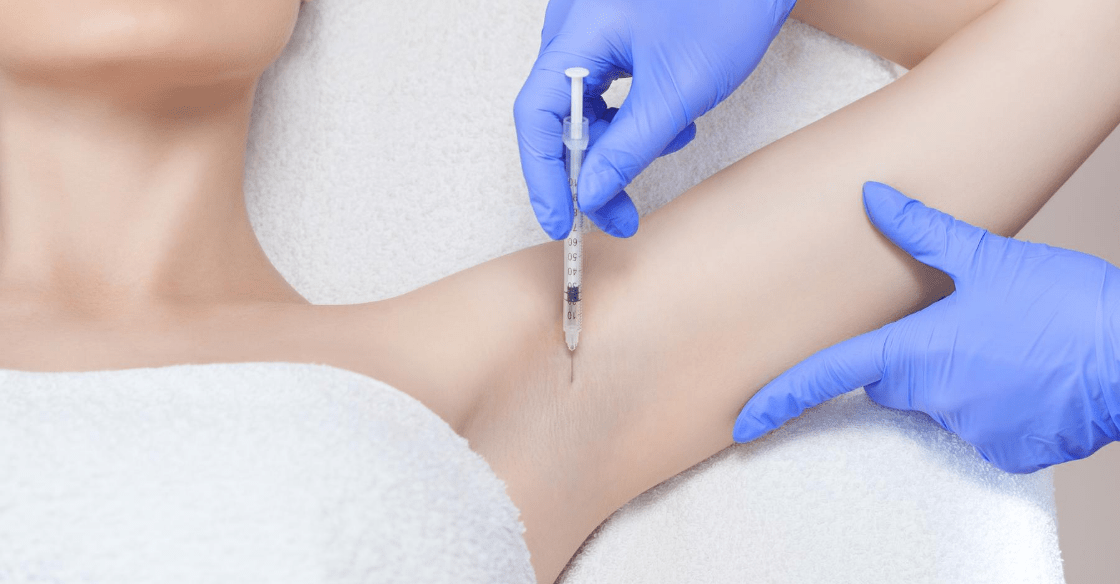
Sweating is a natural bodily function that helps regulate temperature, and it is needed for maintaining homeostasis. Some individuals experience excessive sweating beyond what is necessary for cooling, a condition known medically as hyperhidrosis. Although sweating can be a response to heat or physical activity, those with hyperhidrosis often sweat excessively even when these triggers are absent; we will explore the primary causes of this condition and discuss available management options.
Primary and Secondary Causes of Hyperhidrosis
Hyperhidrosis falls into two main categories based on the underlying cause: primary and secondary. Primary focal hyperhidrosis is the most common form, and generally not caused by another medical condition or side effect. Although doctors believe this type stems from overactive nerves that signal the sweat glands, there is no specific external trigger. When you are stressed or nervous, the problem may become worse; sweating also occurs without these emotional triggers, so it can be unpredictable and disruptive.
Secondary hyperhidrosis differs from primary hyperhidrosis because it is caused by a medical condition, which means the approach is different. This type involves sweating throughout the body and often occurs while sleeping, making it harder to ignore. Common causes include diabetes, menopause, thyroid problems, and some types of cancer, so consulting a physician is advised; if you take certain medications, you also experience excessive sweating as a side effect. Addressing the root cause is the priority for secondary hyperhidrosis, whereas primary hyperhidrosis requires direct management of the sweat glands.
Lifestyle Factors and Diagnosis
Diagnosis usually begins with a review of your medical history, and it can involve several steps. A doctor will ask about the location of the sweating and how long the symptoms have persisted. The provider performs a sweat test, which involves coating the skin with a powder that changes color when wet, so they can pinpoint the severity of the condition. While lifestyle factors like diet and clothing choices do not cause the condition, they can influence comfort levels, especially if you are sensitive to heat or certain fabrics.
Spicy foods and caffeine trigger sweating, so people with hyperhidrosis often avoid these items to minimize symptoms. Wearing breathable fabrics allows air to circulate, and moisture-wicking materials help keep the skin dry, which adds another layer of comfort. Although these adjustments do not cure the underlying issue, they make daily life more manageable while you explore professional treatments. Tracking your triggers in a journal helps your doctor create a tailored plan, and it also empowers you to make informed choices.
Professional Management and Treatment Options
There are several professional avenues for effectively managing hyperhidrosis symptoms, and each option has its own benefits. Many patients start with prescription antiperspirants for underarm sweating, which contain aluminum chloride. You apply this to dry skin before bed, and you wash it off in the morning; if topical solutions are ineffective, doctors sometimes suggest oral medication that targets sweat glands and slows perspiration. These medications work systemically, affecting sweating throughout the body, so weighing potential side effects with your doctor is recommended.
Contact Us to Discuss Your Options
Managing hyperhidrosis requires a personalized approach, and finding the right treatment takes time. Your provider understands the causes and will guide you toward the most appropriate treatment for your needs, so you regain confidence. If you are struggling with excessive sweating, schedule a consultation today to explore services like prescription antiperspirants, iontophoresis, or Botox injections; you do not have to live with discomfort, because effective solutions are available to improve your quality of life.
- What Is the Difference Between an Orthopedist and an Orthopedic Surgeon?
- What Does an Orthopedic Traumatologist Do? Complete Guide
- What Is the Pathology of the Skin? A Complete Guide
- What Is Dermatology Practical and Conceptual? Everything You Need to Know
- How Can I Find Dermatologos Cerca de Mi Ubicación? Complete Guide