
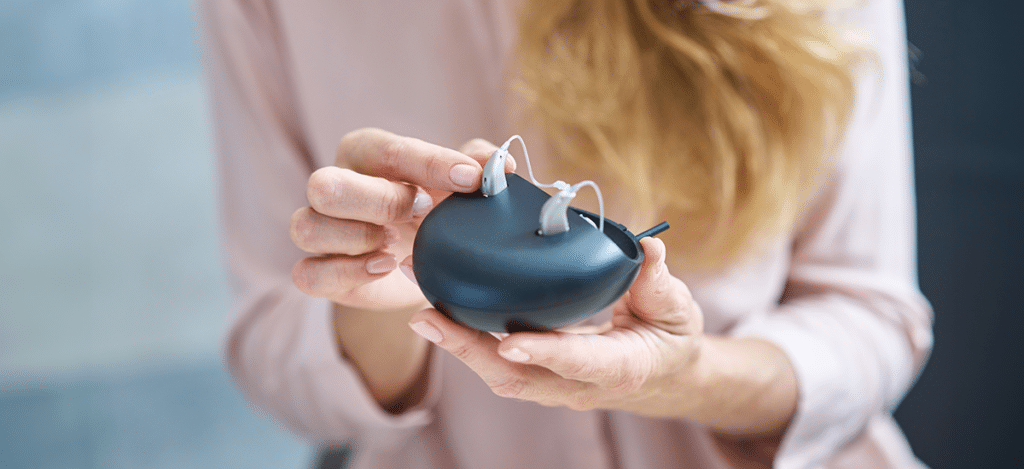
Hearing aids are medical devices designed to amplify sound for individuals with auditory deficits. These instruments require regular care to function properly and extend their lifespan. Proper maintenance routines prevent issues like wax buildup or battery failure, while neglect may lead to repairs. Here is more information on hearing loss and how to maintain hearing aids:
What Is Hearing Loss?
Hearing loss refers to a reduced ability to hear sounds as well as other people. This condition ranges from mild to profound, and it affects one or both ears depending on the underlying pathology. When the auditory system sustains damage or blockage, sound signals fail to reach the brain effectively. Hearing aids manage these deficits and improve communication capabilities.
What Causes It?
Several factors contribute to the deterioration of auditory health over time. Aging is a common cause, but exposure to loud noise also damages the delicate hair cells within the inner ear. Genetic predisposition plays a role in some cases, and infections and trauma may result in sudden hearing reduction. Identifying the cause is a necessary step in determining the appropriate treatment plan.
Age-related hearing loss occurs gradually as the body ages. High blood pressure and diabetes also correlate with a higher risk of auditory decline. Regular screenings detect these changes early, allowing for timely intervention. Physical trauma to the head or eardrum can also disrupt the transmission of sound, and medical intervention may accompany the use of hearing devices.
What Are Hearing Aids?
Hearing aids are small electronic devices that users wear in or behind their ears. The device receives sound through the microphone, and the amplifier amplifies the sound before sending it to the ear through the speaker. These components work in unison to make speech more intelligible and background noise less intrusive.
Hearing aids come in various styles to accommodate different anatomical shapes and aesthetic preferences. Behind-the-ear (BTE) models sit externally with a tube directing sound into the canal, while in-the-ear (ITE) models fit directly inside the ear bowl. Completely-in-the-canal (CIC) options are smaller and less visible. The choice depends on the severity of the loss and the patient’s dexterity.
How Can You Maintain Them?
Daily cleaning helps remove earwax and debris that accumulates during use. Use a soft, dry cloth to wipe the surface, and avoid using water or cleaning fluids that may damage the electronics. A specialized wax pick or brush effectively clears the microphone and receiver ports.
Moisture control is beneficial. Store the devices in a cool, dry place when not in use to prevent internal circuit corrosion. Open the battery door at night to allow air circulation, or place rechargeable units in their designated charger.
Battery management makes sure the device operates without interruption. Some batteries require regular replacement, so keep a fresh supply readily available. Remove dead batteries immediately to prevent leakage and damage to the contacts.
What Are the Benefits?
Consistent care results in consistent sound quality and performance. A well-maintained device provides clear amplification, and it minimizes feedback and static noise. Regular cleaning extends the unit’s operational life, reducing the need for replacements or professional repairs. Proper maintenance also protects the user’s ear health.
Seek Professional Guidance Now
Routine maintenance helps improve the functionality of hearing instruments. Patients should consult a specialist if performance issues persist despite home care. Professional medical care helps identify underlying problems, so schedule an appointment with a hearing care provider today.
- What Is the Difference Between an Orthopedist and an Orthopedic Surgeon?
- What Does an Orthopedic Traumatologist Do? Complete Guide
- What Is the Pathology of the Skin? A Complete Guide
- What Is Dermatology Practical and Conceptual? Everything You Need to Know
- How Can I Find Dermatologos Cerca de Mi Ubicación? Complete Guide