
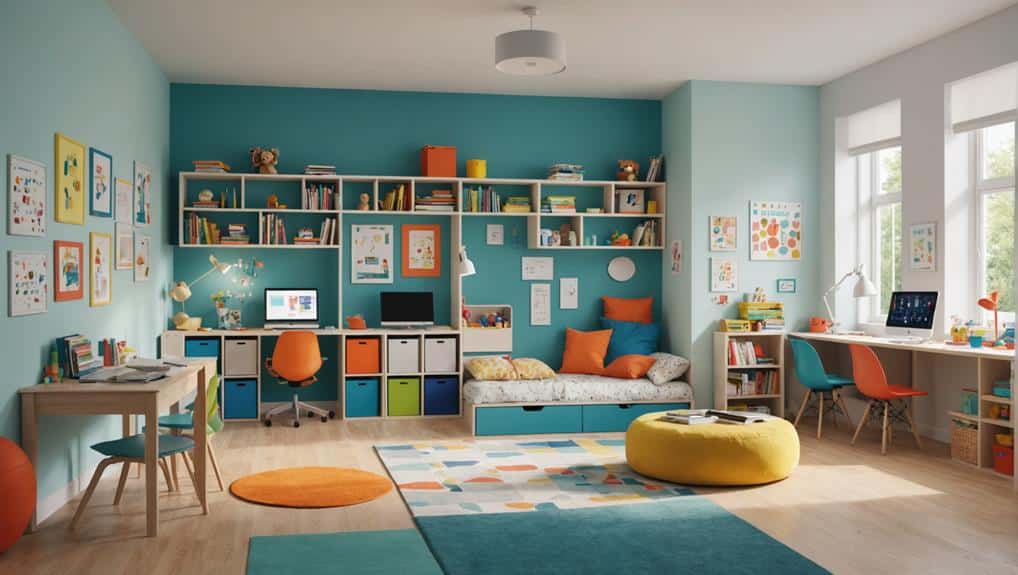
Children with ADHD benefit from structured, consistent environments that support focus, emotional regulation, and daily routines. Creating a supportive home setting is fundamental to helping children manage attention challenges and behavioral patterns beyond the classroom. Here are tips for creating a supportive home environment for children with ADHD:
Building Daily Routines
Children with ADHD often struggle with executive function, which includes the ability to plan, organize, and manage time. Establishing consistent daily patterns provides external structure that aids in self-regulation and reduces cognitive load. A predictable schedule helps the child understand what to expect next, reducing the stress often associated with transitions.
Morning and evening rituals are particularly helpful intervention points. A structured morning routine may include a sequence for waking up, getting dressed, and eating breakfast, and visual aids like charts or whiteboards help remind children of each step. Parents may incorporate using a timer to help the child visualize the passage of time during these activities.
Reducing Home Distractions
Sensory overload can trigger behavioral issues and distractibility in children with ADHD. Minimizing visual and auditory chaos is a key step in designing a functional living space. Organizational systems allow the child to locate items easily and also assist in maintaining a tidy environment, reducing mental clutter. Here are ways to transform a chaotic room into a calming space:
- Designate specific zones: Create clear areas for different activities, such as a quiet corner with a desk facing a blank wall for homework and a separate area for play.
- Utilize organizational tools: Use clear, labeled bins for toys and supplies so the child can see where items belong without having to open them.
- Reduce sensory input: Limit the number of toys available at one time by rotating them, and use soft lighting or noise-canceling headphones to manage auditory sensitivity.
- Minimize electronic distractions: Make sure that televisions, video games, and tablets are not accessible in the bedroom to promote better sleep hygiene.
These adjustments make sure the physical environment supports the child’s ability to sustain attention on specific tasks.
Supporting Emotional Regulation
Emotional dysregulation is a common characteristic associated with ADHD, leading to intense reactions or frustration. Parents play a helpful role in modeling calm behavior and providing tools for self-soothing. The following approaches can assist in managing behavior and fostering emotional intelligence:
- Provide immediate feedback: Offer specific praise or rewards as soon as a positive behavior occurs.
- Establish a “calm-down” space: Create a safe, comfortable area equipped with sensory tools, such as stress balls or weighted blankets, where the child can go to self-regulate when overwhelmed.
- Use clear communication: Deliver instructions in simple, direct commands rather than long explanations to prevent the child from tuning out.
- Implement visual behavior charts: Track progress toward specific goals visually, allowing the child to see their success and work toward tangible rewards.
Consistent application of these strategies assists the child in developing better emotional control and understanding of expectations over time.
Encouraging Independence Safely
Fostering independence requires balancing necessary support with autonomy. Children need opportunities to practice skills independently, yet they often need scaffolding to succeed. Scaffolding is the process of providing temporary assistance that is gradually removed as the child gains competence.
You can break complex chores into smaller, manageable steps to prevent the child from feeling overwhelmed. Visual checklists are also helpful tools for promoting autonomy in daily tasks, such as packing a school bag. As the child demonstrates mastery of a skill, parents can contemplate reducing verbal reminders.
Schedule Your ADHD Consultation Today
Creating a supportive home environment requires ongoing effort and adaptation to the child’s specific developmental stage. These strategies provide a strong foundation for managing symptoms of ADHD and reducing family stress. Contact a qualified pediatric neurologist near you to schedule your ADHD consultation today.
- What Is the Difference Between an Orthopedist and an Orthopedic Surgeon?
- What Does an Orthopedic Traumatologist Do? Complete Guide
- What Is the Pathology of the Skin? A Complete Guide
- What Is Dermatology Practical and Conceptual? Everything You Need to Know
- How Can I Find Dermatologos Cerca de Mi Ubicación? Complete Guide