
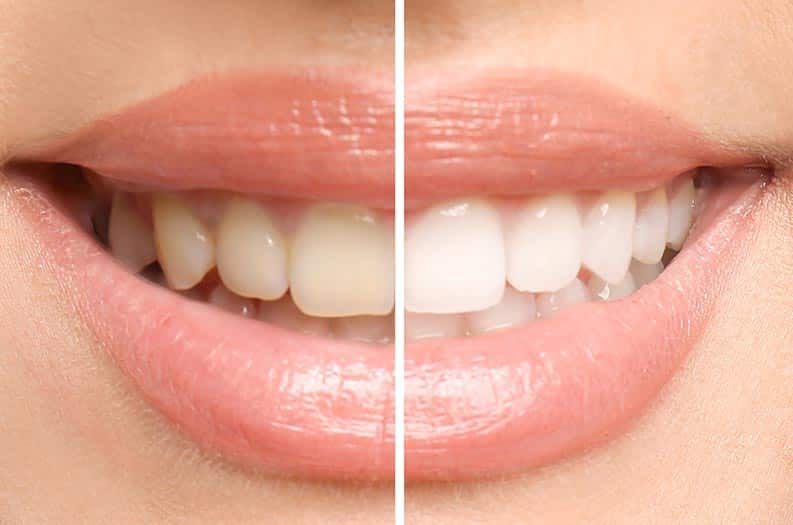
Cosmetic dentistry services focus on improving the appearance of a person’s smile. While traditional dentistry addresses oral health, cosmetic procedures aim to enhance dental aesthetics in color, position, shape, size, and alignment. Teeth whitening is a popular cosmetic service, and other common treatments include veneers, crowns, bridges, and composite fillings. Here’s information on different teeth-whitening options for individuals seeking a brighter smile:
Trying Professional Whitening Services
In-office teeth whitening is a procedure performed entirely within a dental clinic. A dentist applies a high-concentration peroxide gel to the teeth after protecting the gums with a rubber shield or a protective gel. A specialized light or laser may be used to activate the gel, depending on the dentist. The procedure usually takes about an hour, and individuals see a noticeable difference in tooth color in a single visit.
For those who prefer the convenience of at-home whitening, many dentists provide custom-made take-home kits. The dentist first takes an impression of the teeth to create a custom tray. Once ready, the custom tray can be taken home with a professional-grade whitening gel, and the dentist will provide instructions on how to apply the gel.
Professional teeth whitening is available at many dental practices, and in-office options can provide a significant color change in a short time. The concentration of whitening agents in professional treatments is typically higher than in over-the-counter products, resulting in more noticeable changes. Professional whitening differs primarily in the strength of the bleaching agents. Dentists use hydrogen peroxide or carbamide peroxide at higher concentrations, and they can manage any tooth sensitivity or gum irritation that may occur. This supervised approach allows for a controlled and customized treatment tailored to an individual’s specific needs and goals.
Trying At-home Teeth Whitening
At-home teeth whitening includes a range of products available at drugstores and other retailers. These options offer a convenient alternative to professional treatments, though results can vary. Over-the-counter (OTC) whitening trays are similar to take-home kits from a dentist, but they are not custom-fitted. These kits come with a stock tray and a whitening gel with a lower peroxide concentration than professional versions. While they are accessible, ill-fitting trays can lead to uneven whitening application and cause the gel to contact and irritate the gums.
Whitening Strips
Whitening strips are thin, flexible pieces of plastic coated with a low-concentration peroxide gel. Users apply the strips directly to their teeth for a specified period each day, typically for two to three weeks. Whitening strips are a common over-the-counter option, but their one-size-fits-all design may not cover all tooth surfaces evenly.
Whitening Toothpaste
Whitening toothpastes contain mild abrasives that help polish the teeth and remove surface stains. Some formulations also include low concentrations of peroxide or other chemical agents to provide a modest whitening effect. These toothpastes primarily work on extrinsic stains and can help maintain tooth brightness, but they do not change the natural color of the teeth. There are three main types of tooth stains:
- Extrinsic Stains: These are surface stains that form on the outer layer of the tooth, known as the enamel. They are often caused by consuming staining substances such as coffee, tobacco, and certain foods.
- Intrinsic Stains: These stains develop within the tooth itself, beneath the enamel, often in the dentin. These stains are more challenging to remove and often require advanced whitening treatments.
- Age-Related Stains: A combination of intrinsic and extrinsic staining, age-related discoloration occurs as the enamel naturally thins over time, revealing the yellowish dentin beneath.
Finding the Right Option
Choosing between professional and at-home whitening depends on several factors, including your budget, timeline, and desired results. Professional treatments offer faster, more dramatic whitening results, but they cost more than OTC options. At-home options are more convenient, though the results may be less pronounced and take longer to appear. Before trying a whitening treatment, it is recommended to have a dentist assess the current condition of your teeth. Those with sensitivity issues or gum disease may not be candidates for teeth whitening without first undergoing other interventions.
Learn More About Teeth Whitening
Understanding the differences between professional and at-home teeth whitening can help you make an informed decision for your whitening goals. Each whitening method has distinct processes and potential outcomes, but a professional can guide you through your options. For personalized advice, contact a dentist for a consultation to determine what is best for your smile.
- What Is the Difference Between an Orthopedist and an Orthopedic Surgeon?
- What Does an Orthopedic Traumatologist Do? Complete Guide
- What Is the Pathology of the Skin? A Complete Guide
- What Is Dermatology Practical and Conceptual? Everything You Need to Know
- How Can I Find Dermatologos Cerca de Mi Ubicación? Complete Guide