
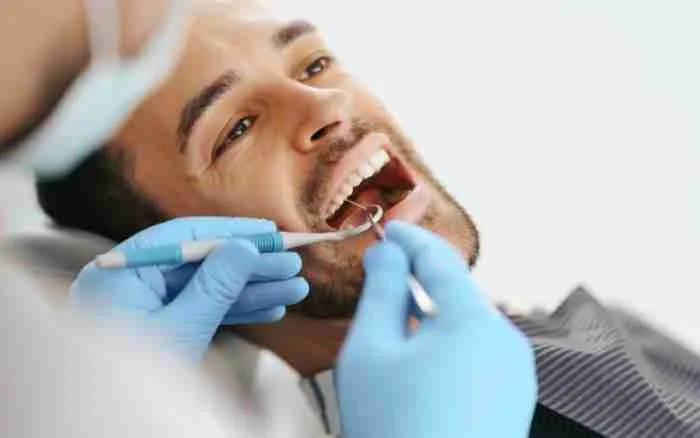
Emergency dental care addresses urgent oral health issues that require immediate attention. These situations often involve severe pain, bleeding, or trauma to the teeth and gums. Knowing how to respond can help manage the situation effectively until you can see a dental professional. Approaching these circumstances with a clear plan is advisable, and you should contact a dentist as soon as possible for guidance.
Handle Specific Emergencies Promptly
Different dental emergencies require different initial responses prior to receiving emergency dental care. Taking the right steps immediately can be beneficial before you arrive at the dentist’s office. For a knocked-out tooth, handle it by the crown, not the root. If possible, gently rinse it with water, but do not scrub or remove any attached tissue. You can try to place the tooth back in its socket; if that is not feasible, keep it moist in a small container of milk or your own saliva. A chipped or broken tooth should be rinsed with warm water. If you can find the broken piece, bring it with you to your appointment. In cases of a lost filling or crown, you can temporarily use dental cement from a pharmacy to cover the area.
Manage Pain and Swelling
Managing discomfort is a key step while you wait for your dental appointment. Pain and swelling are common symptoms of many dental emergencies, and addressing them can provide temporary relief. You can rinse your mouth with a warm saltwater solution to help clean the area and soothe irritation. For swelling, applying a cold compress or an ice pack to the cheek or lip over the affected area for 20-minute intervals can be helpful. Over-the-counter pain relievers may offer some relief, but you should consult the product instructions for proper use. Never place aspirin or any other painkiller directly against the gums near the aching tooth, as this may burn the gum tissue.
Prepare Information
When you call your dentist’s office, being prepared with specific information will help them assist you efficiently. They need to understand the nature of your emergency to provide the best advice and schedule your visit appropriately. Be ready to describe your symptoms clearly, including the location and severity of the pain. Let them know what caused the injury, if applicable, and tell them what steps you have already taken to manage it. Have your personal information ready, such as your dental insurance details and a list of any current medications you are taking. This preparation provides the dental team all the necessary information to properly prepare for your arrival.
Ask About Emergency Dental Care Today
Understanding how your dental office handles emergencies before you need one is a proactive step, and many dental practices have specific protocols for urgent care situations. Contacting your dentist to inquire about their emergency services can provide a clear plan for the future. Ask about their availability for same-day appointments and what to do if an emergency occurs outside of regular office hours. Preparing for a potential dental emergency helps you act quickly if one arises.
- What Is the Difference Between an Orthopedist and an Orthopedic Surgeon?
- What Does an Orthopedic Traumatologist Do? Complete Guide
- What Is the Pathology of the Skin? A Complete Guide
- What Is Dermatology Practical and Conceptual? Everything You Need to Know
- How Can I Find Dermatologos Cerca de Mi Ubicación? Complete Guide