
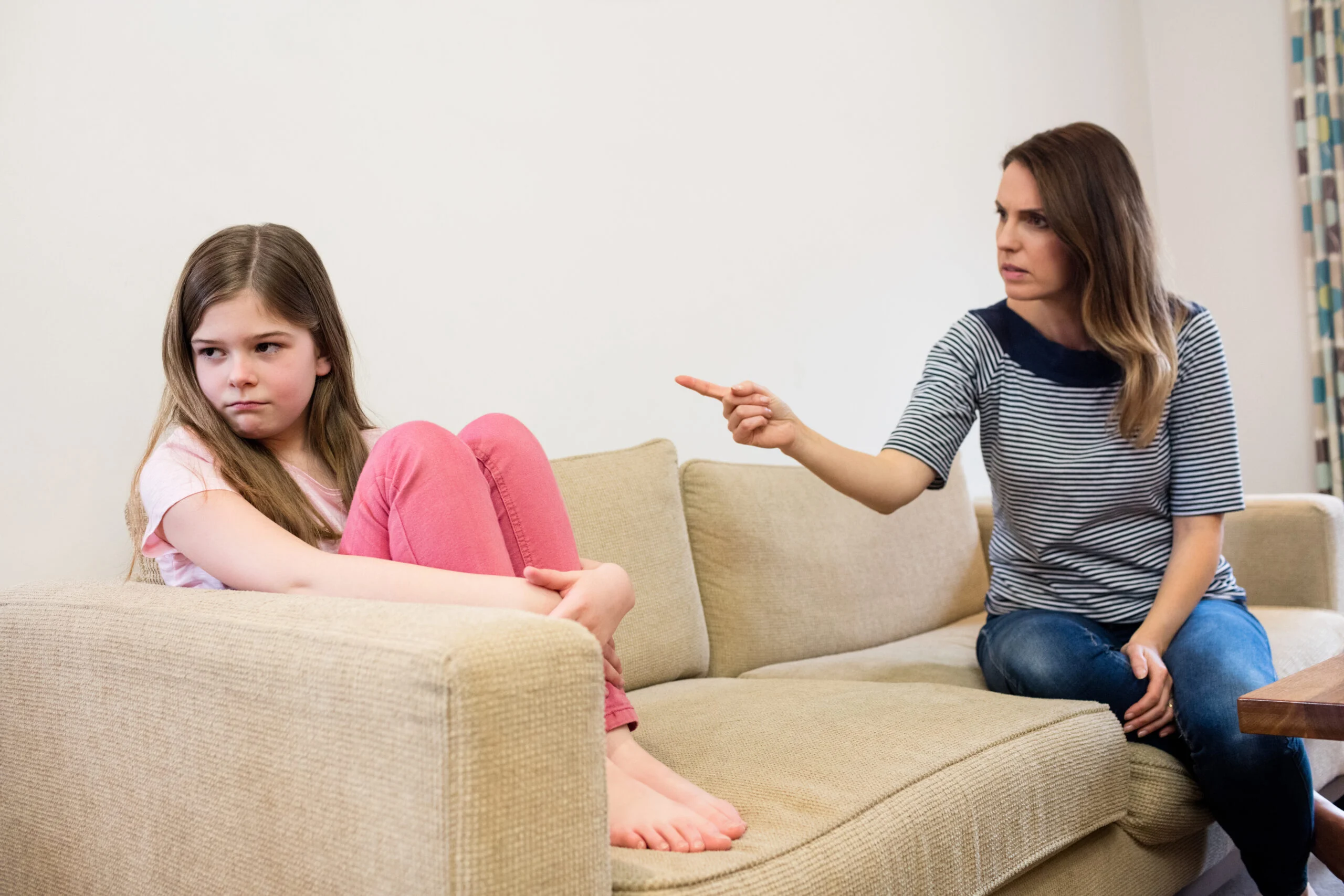
Social anxiety in children is a condition that often interferes with daily functioning, making it difficult for children to participate in school or engage in common activities. A clear distinction exists between ordinary shyness and social anxiety disorder; the latter typically involves fears that are severe and last for months or longer. Understanding this difference can guide families in seeking effective support from a social anxiety therapist.
What Is Social Anxiety?
Social anxiety disorder extends beyond typical shyness; children with this condition experience a strong, ongoing fear of being observed or negatively evaluated by others. This fear is usually out of proportion to the social situation. The anxiety can be limited to specific situations, such as speaking in class, or be present across most social interactions.
The core concern often centers around acting in a way that will lead to embarrassment or rejection. A child may be overwhelmed by the thought of engaging in group discussions in school or eating with peers in the cafeteria. As a result, these children may actively avoid such situations, which can limit their opportunities for learning and social development. Over time, avoidance may contribute to isolation and impact self-esteem.
What Are the Signs?
Social anxiety in children is characterized by a range of physical, emotional, and behavioral symptoms. Recognizing these signs can help distinguish between temporary nerves and identify a more persistent issue. Physical symptoms may be observed or reported, including:
- Stomach aches or headaches
- Sweating, blushing, or trembling
- Rapid heartbeat
These physical complaints frequently arise when anticipating or participating in social activities, such as going to school or attending social gatherings. Emotional and behavioral signs include:
- Consistent avoidance of activities involving peers
- Intense fear or distress before social events
- Tantrums or irritability
- Speaking very little around unfamiliar people, or muteness in group settings
- Avoiding eye contact or appearing withdrawn
These behaviors persist for a significant period and usually cause disruption in daily routines or academic progress.
How Is It Treated?
Effective support for social anxiety in children involves structured therapeutic approaches, typically involving collaboration among caregivers and a social anxiety therapist. Talk therapy is commonly used to help children with social anxiety. This therapy focuses on recognizing and changing unhelpful patterns of thinking and behavior. Children learn strategies to challenge negative thoughts and practice coping with anxiety in feared situations.
Parents can play a significant role by supporting the practice of social skills and encouraging gradual participation in social events. Modeling calm social behavior and rewarding efforts to face fears, rather than focusing on outcomes, may reinforce progress. Treatment does not aim to remove social discomfort completely, but instead teaches children how to manage anxiety so it does not interfere with participation or development. Improvement is often gradual and depends on consistent support.
Consult a Social Anxiety Therapist
A mental health professional with experience in childhood anxiety can assess for social anxiety disorder and recommend evidence-based interventions tailored to each child’s needs. Professional evaluation also helps differentiate social anxiety from other concerns, including generalized anxiety or learning difficulties. Early support can prevent worsening anxiety. If ongoing avoidance, distress, or physical symptoms occur before social situations, reaching out to a qualified therapist is recommended.
- What Is the Difference Between an Orthopedist and an Orthopedic Surgeon?
- What Does an Orthopedic Traumatologist Do? Complete Guide
- What Is the Pathology of the Skin? A Complete Guide
- What Is Dermatology Practical and Conceptual? Everything You Need to Know
- How Can I Find Dermatologos Cerca de Mi Ubicación? Complete Guide