
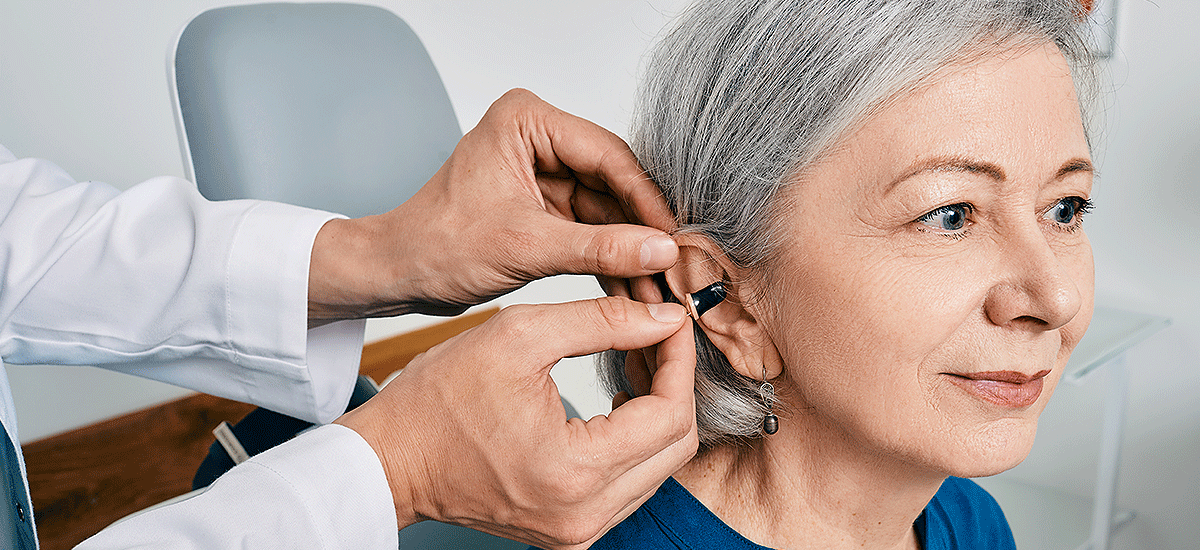
Hearing loss is more common than most people realize, and it can affect communication, confidence, and overall quality of life. The good news is that modern hearing instruments have evolved significantly, offering advanced technology, comfort, and improved sound clarity. If you’re considering one, understanding your options is the first step. You can start by exploring this detailed guide on hearing instruments to get a clear overview of available solutions.
Understanding What a Hearing Instrument Is
A hearing instrument is a small electronic device designed to amplify sound for individuals with hearing loss. It doesn’t just make sounds louder, it processes them intelligently to improve clarity and reduce background noise.
Modern devices include features like digital signal processing, noise reduction, directional microphones, and even Bluetooth connectivity. These advancements make it easier to hear conversations in noisy environments, watch TV comfortably, or talk on the phone without strain.
Signs You Might Need a Hearing Instrument
Many people delay using hearing aids because they are unsure whether they actually need one. Here are some common signs:
- Frequently asking people to repeat themselves
- Difficulty hearing in crowded or noisy places
- Increasing the volume on TV or phone calls
- Feeling tired after conversations due to listening effort
If you notice these signs, it’s important to consult an audiologist for a proper evaluation rather than guessing.
Types of Hearing Instruments Available
Choosing the right device depends on your hearing condition, lifestyle, and comfort preferences. Here are the main types:
1. Behind-the-Ear (BTE):
These sit behind the ear and are connected to an earpiece. They are powerful and suitable for most levels of hearing loss.
2. Receiver-in-Canal (RIC):
A smaller and more discreet option that offers a natural sound experience.
3. In-the-Ear (ITE):
Custom-made to fit inside the outer ear and easier to handle.
4. Completely-in-Canal (CIC) and Invisible-in-Canal (IIC):
These are compact and nearly invisible, making them ideal for users who prefer discretion.
Key Features to Look For
Not all hearing instruments are the same. Here are some important features to consider:
- Digital sound processing for clearer speech
- Noise reduction for better focus
- Rechargeable batteries for convenience
- Bluetooth connectivity for device pairing
- Directional microphones for improved hearing in crowds
Choosing the right combination of features can improve your day-to-day experience.
Why Professional Assessment Matters
One of the biggest mistakes people make is choosing a hearing instrument without proper diagnosis. Hearing loss varies in type and severity, and each case requires a tailored approach.
Professional clinics conduct detailed tests using advanced equipment in soundproof environments. This ensures accurate diagnosis and helps in selecting the right device.
The Importance of Custom Fitting
A hearing instrument must be programmed according to your hearing profile. Custom fitting ensures:
- Better sound clarity
- Comfortable usage
- Reduced feedback noise
- Improved long-term results
Regular follow-ups are also important to fine-tune the settings over time.
Lifestyle Factors to Consider
Your daily routine plays a key role in selecting the right device. For example:
- Active individuals may need Bluetooth-enabled models
- Office professionals may prefer noise reduction features
- Seniors may prefer easy-to-use and low-maintenance devices
Understanding your lifestyle helps narrow down the best option.
Ongoing Care and Support
Hearing instruments require proper care and regular maintenance. This includes cleaning, servicing, and occasional adjustments.
A good clinic will support you throughout your journey, ensuring you get consistent performance and comfort from your device.
Choosing a Trusted Hearing Care Provider
Selecting the right clinic is just as important as choosing the device. Look for experienced audiologists, modern equipment, and a wide range of options.
For reliable hearing care services and expert guidance, you can visit ASH Clinic, where patients receive personalized solutions based on their hearing needs.
Final Thoughts
Hearing instruments can make a significant difference when chosen correctly. The key is to rely on professional advice, proper diagnosis, and personalized fitting rather than making a random choice.
With the right support and technology, better hearing and improved quality of life are absolutely achievable.
- What Is the Difference Between an Orthopedist and an Orthopedic Surgeon?
- What Does an Orthopedic Traumatologist Do? Complete Guide
- What Is the Pathology of the Skin? A Complete Guide
- What Is Dermatology Practical and Conceptual? Everything You Need to Know
- How Can I Find Dermatologos Cerca de Mi Ubicación? Complete Guide