
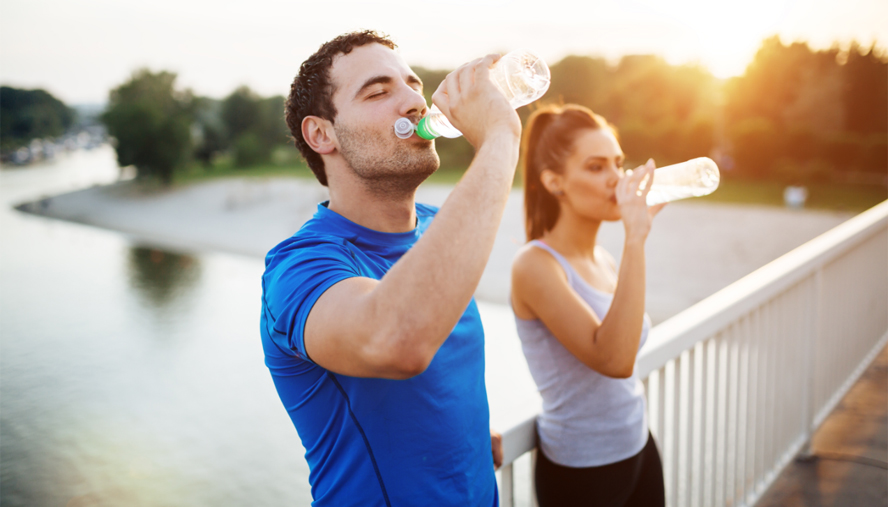
Water is life. You’ve probably heard this saying many times, but have you ever stopped to really think about what it means? Simply put, water fuels every single process in your body, from digestion and circulation to temperature control and waste removal. Yet, many people still forget to drink enough of it.
If you often get so busy that you forget to sip water, or you simply don’t think it matters much, you might be surprised to learn how deeply hydration affects your physical and mental well-being. In this article, you’ll discover why staying hydrated throughout the day is one of the simplest, most powerful habits you can build for better health.
1. Hydration Helps Your Body Work Properly
Your body is about 60% water, which means every system relies on it to function. For example:
- Blood is mostly water. Staying hydrated keeps your blood thin enough to flow easily, carrying oxygen and nutrients to your cells.
- Digestion needs water. Without enough fluids, your body can’t break down food or absorb nutrients effectively.
- Your joints need lubrication. Water keeps your joints cushioned and flexible, reducing discomfort and stiffness.
- Temperature control. When you’re hot, you sweat to cool off. But you can only sweat if you have enough fluid reserves.
If you don’t drink enough water, all these processes slow down. Over time, even mild dehydration can strain your organs and make you feel tired and sluggish.
2. Boosts Energy and Reduces Fatigue
Have you ever felt drained even though you got plenty of sleep? Dehydration might be the reason. When you’re low on fluids, your heart must work harder to pump oxygen throughout your body, making you feel exhausted.
Drinking water regularly helps maintain your energy levels so you can stay alert and active. Whether you’re working, exercising, or running errands, hydration fuels your cells and keeps you going.
A good way to check if you’re hydrated is to look at your urine color. Pale yellow usually means you’re well-hydrated, while darker yellow can be a sign you need more fluids.
3. Improves Focus and Mental Clarity
Dehydration doesn’t only affect your body; it also affects your brain. Studies have shown that even mild dehydration can:
- Reduce concentration
- Make it harder to remember things
- Cause headaches
- Affect your mood
If you’ve ever felt foggy or irritable, drinking a glass of water can help clear your mind surprisingly fast. Staying hydrated supports good blood flow to your brain, which improves cognitive function and mental sharpness.
4. Aids Digestion and Prevents Constipation
Water is essential for digestion. It helps break down food so your body can absorb nutrients. It also softens stool, preventing constipation.
If you struggle with irregular bowel movements, increasing your water intake could make a big difference. Warm fluids like herbal tea or plain hot water can be especially soothing for your digestive tract.
5. Supports Healthy Skin
Want glowing, youthful skin? Water is your best friend. Dehydration makes skin look dry, tight, and flaky. Proper hydration plumps up skin cells, giving you a softer, smoother complexion.
While moisturizers help from the outside, water hydrates your skin from within. Over time, drinking enough water can improve elasticity and reduce the appearance of fine lines.
6. Helps Maintain a Healthy Weight
Sometimes, your body confuses thirst with hunger. You might feel the urge to snack when what you really need is a drink of water.
Drinking water before meals can help you feel fuller and prevent overeating. It also supports your metabolism, helping your body burn calories more efficiently.
If you’re trying to lose weight or maintain a healthy weight, staying hydrated is a simple, natural strategy that supports your goals.
7. Prevents Headaches
One of the most common signs of dehydration is a headache. When you don’t have enough fluid in your system, your brain can temporarily shrink away from the skull, causing pain.
Before you reach for painkillers, try drinking a glass of water. Many people find their headaches ease within 30 minutes of rehydrating.
8. Regulates Body Temperature
Your body has an amazing cooling system: sweat. When you exercise or get hot, sweating prevents you from overheating. But sweating uses up your fluid reserves.
If you don’t replenish those fluids, you risk dehydration and heat exhaustion. That’s why athletes and people working outdoors must be especially careful to drink enough water throughout the day.
9. Flushes Out Toxins
Your kidneys are responsible for filtering waste out of your blood and removing it through urine. Staying hydrated helps your kidneys work more efficiently and reduces your risk of developing kidney stones or urinary tract infections.
If you don’t drink enough water, waste products can build up in your system, which may eventually harm your organs.
10. Improves Mood
Believe it or not, dehydration can affect your emotional state. Even mild dehydration has been linked to increased feelings of anxiety, tension, and irritability.
On days when you feel unusually moody or stressed, consider whether you’ve had enough water. Drinking more fluids might help balance your mood and promote a sense of calm.
Tips for Staying Hydrated
- Carry a reusable water bottle. Keep it with you everywhere so you can sip throughout the day.
- Set reminders. Use your phone or a hydration app to alert you to drink regularly.
- Flavor your water. If plain water feels boring, add a slice of lemon, cucumber, or fresh mint.
- Eat water-rich foods. Fruits and vegetables like watermelon, cucumber, and oranges add to your fluid intake.
- Start your day with water. Drinking a glass first thing in the morning jump-starts your hydration after hours of sleep.
Remember, thirst isn’t always the best indicator. By the time you feel thirsty, you may already be mildly dehydrated. Make it a habit to drink steadily rather than waiting until you’re parched.
How Much Water Should You Drink?
The right amount varies depending on your body size, activity level, and environment. A common guideline is about 8 cups (2 liters) per day, but many people need more, especially if they exercise or live in hot climates.
A good rule of thumb is to check your urine. If it’s consistently light yellow, you’re likely drinking enough.
Conclusion
Staying hydrated isn’t just about quenching thirst—it’s about supporting every aspect of your health, from your energy and focus to your digestion and skin. Drinking enough water each day is one of the simplest ways to feel better, look better, and stay healthy.
Make hydration a daily habit, and your body and mind will thank you.
FAQs About Staying Hydrated
Q1: Can I count coffee or tea toward my daily water intake?
Yes, beverages like coffee and tea do contribute to hydration, but because they can have a mild diuretic effect, it’s best not to rely on them alone. Balance them with plenty of plain water.
Q2: What are signs that I’m dehydrated?
Common signs include dark yellow urine, dry mouth, headache, fatigue, dizziness, and dry skin.
Q3: Is it possible to drink too much water?
Yes, although rare, drinking excessive amounts can lead to a condition called hyponatremia (low sodium levels). Aim for steady, moderate intake rather than forcing large amounts at once.
Q4: Are sports drinks better than water?
For most people, plain water is best. Sports drinks are helpful if you exercise intensely for over an hour, as they replace electrolytes, but they often contain added sugars.
Q5: What can I do if I don’t like the taste of water?
Try infusing your water with natural flavors like lemon, berries, or cucumber. Sparkling water is another refreshing alternative if you prefer some fizz.