
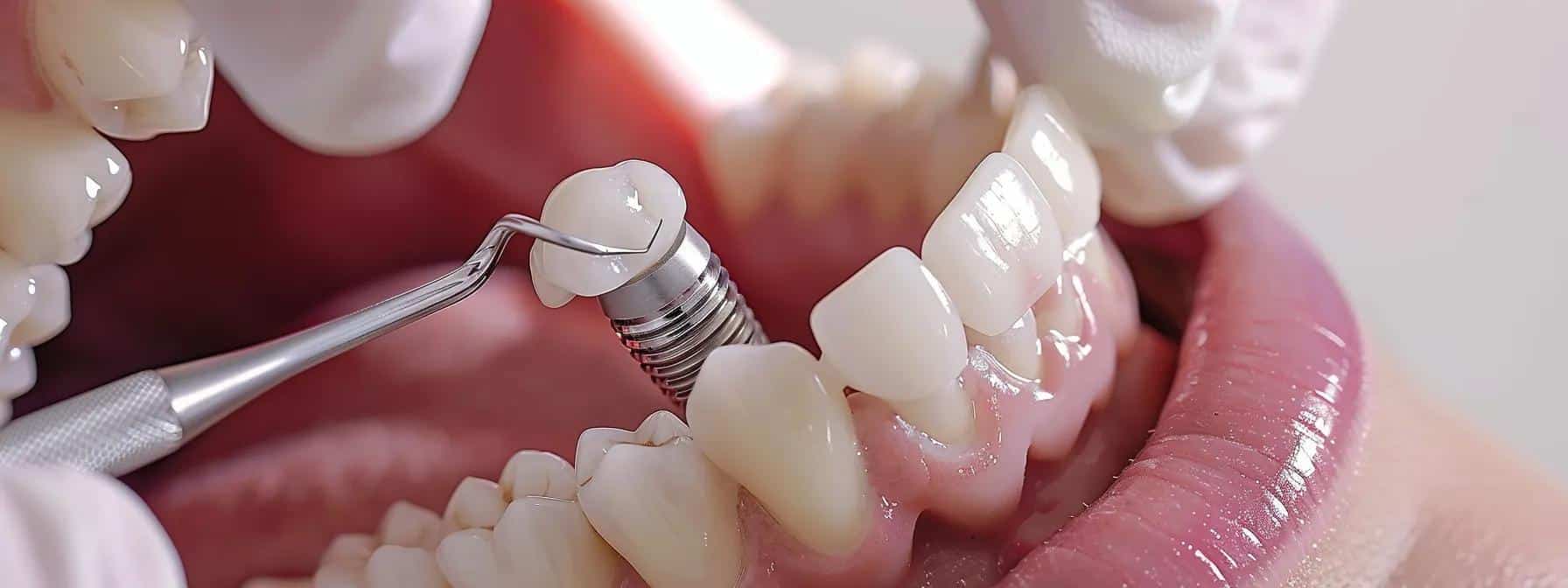
Dental implants function as durable, long-lasting artificial roots for individuals dealing with lost or extracted teeth. Because titanium integrates with the jawbone, the implant provides a stable anchor for the restoration. The surgeon places the titanium fixture, and the body initiates the healing process. Here is more information about new techniques used for dental implant procedures:
Cone Beam CT Scanning
This scanner rotates around the head, and it captures precise data on the underlying bone structure. Dentists use cone beam CT technology to visualize the jawbone in 3D before surgery. While standard X-rays provide basics, 3D imaging offers detailed views of the intricate nerve pathways. The technology assists with:
- Mapping the precise location of the nerves
- Assessing the density and quality of available bone
- Planning the exact angulation for the implant placement
- Identifying sinus cavities to avoid potential complications
Implant Design Customization
Since every patient has a unique anatomy, companies offer posts in various specific dimensions and lengths. Manufacturers construct some modern dental implants from titanium due to its high biocompatibility with the body. The dentist selects a diameter, and the manufacturer provides a fixture that fits the available space. Correct sizing aims to prevent damage to adjacent tooth roots and preserve the surrounding bone structure.
The surface texture of the implant influences how well the bone cells attach to the metal. While smooth implants exist, textured implants may heal faster. Surgeons use roughened surfaces, as these textures may increase the contact area. Textured surfaces allow bone cells to adhere rapidly during the initial recovery phase.
The lab designs the piece digitally, and a milling machine carves it from a ceramic block. Since gum tissue varies, a custom shape helps the soft tissue form a tight biological seal. Computer-aided design enables the creation of custom abutments that support the final artificial tooth structure. Digital precision results in a good fit compared to traditional casting methods.
Four Post Dentures
Because the posterior implants tilt, they maximize contact with the available bone in the jaw. This specific technique supports a full arch of replacement teeth with only four strategically placed titanium implants. Two implants sit straight in the front, but the back two tilt at forty-five degrees. Tilting the posts utilizes existing bone density effectively and avoids the need for grafting.
The implants stabilize the arch, yet the bone must still heal fully around the titanium posts. While the teeth are functioning immediately, patients must eat soft foods during the initial integration phase. Patients often receive a temporary set of functional teeth on the very same day of the surgery. Soft diets prevent excessive pressure on the healing bone during the first few weeks.
Get Dental Implants Today
A qualified dental professional will evaluate your oral health to determine your eligibility for this procedure. Schedule a consultation today, and your dentist will create a plan for your specific dental needs. While risks exist with any surgery, advanced techniques significantly improve the accuracy of the placement. Contact a local dental clinic to discuss your options for restorative dental care.