
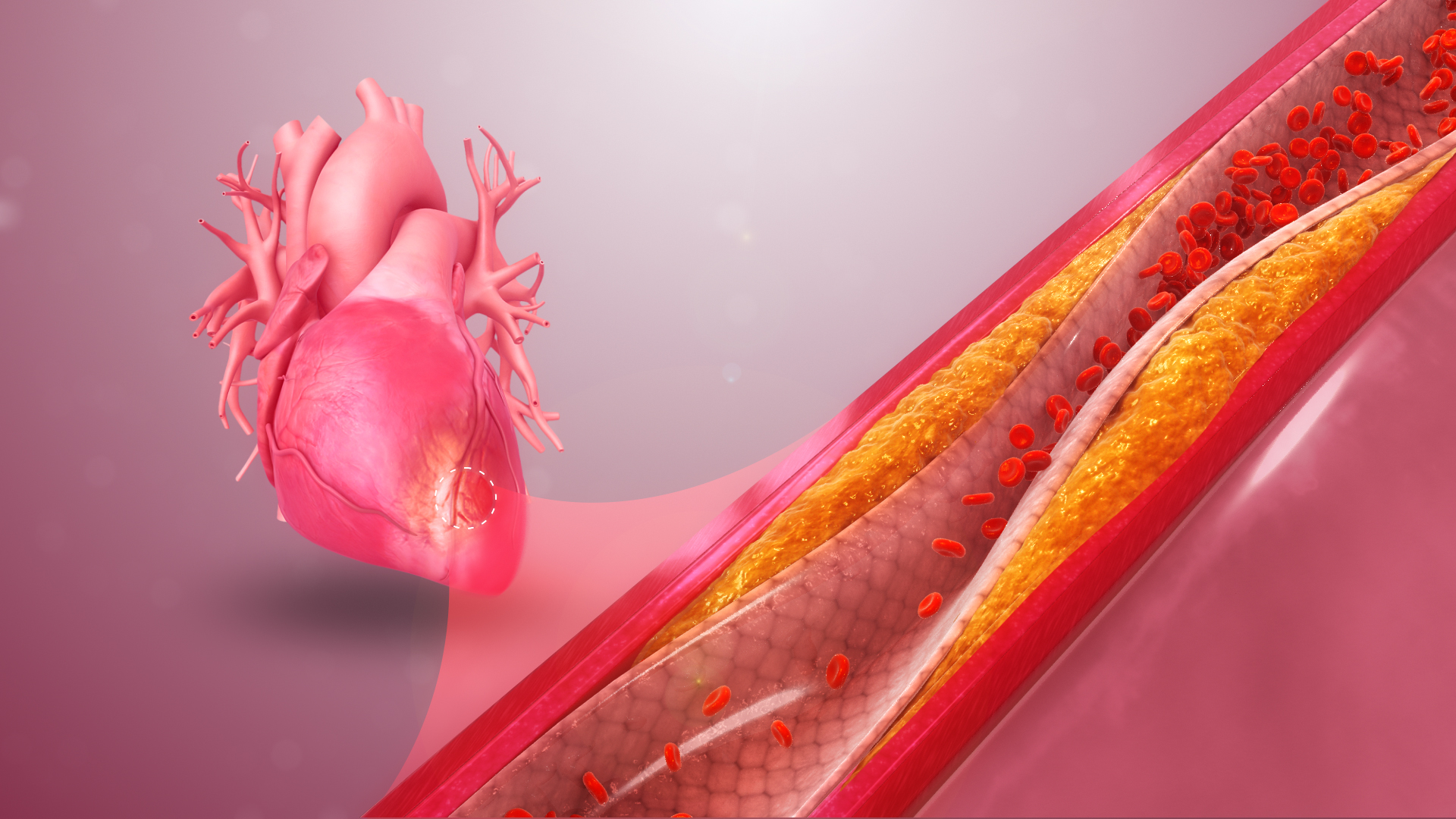
Coronary artery disease (CAD) develops when the major blood vessels supplying the heart become damaged or diseased, typically due to cholesterol-containing deposits. This buildup narrows the arteries over time, and it decreases blood flow to the heart muscle. Without sufficient blood flow, the heart cannot get the oxygen and nutrients it needs to function properly, leading to complications. Here are some ways CAD is linked to other heart conditions:
Systemic Atherosclerosis
While coronary artery disease affects the heart’s arteries, the underlying process often extends throughout the body. Atherosclerosis is the hardening and narrowing of arteries caused by plaque buildup, and it usually occurs in multiple locations. When you have plaque in your coronary arteries, similar deposits likely exist in arteries supplying the brain, legs, and kidneys. This means that a heart disease diagnosis frequently signals vascular problems elsewhere. Peripheral artery disease (PAD) is commonly connected, and this condition occurs when narrowed arteries reduce blood flow to the limbs. Patients with PAD can face higher risks of heart attack or stroke because their vascular system shares the same systemic burden.
Heart Failure and Arrhythmias
The relationship between CAD and heart muscle function is direct and consequential. Restricted blood flow weakens the heart, making it difficult for it to pump blood to the rest of the body. This condition, known as heart failure, does not mean the heart stops beating; instead, it means the heart cannot keep up with the body’s demands.
Damage to heart tissue from reduced oxygen supply interferes with the electrical signals that coordinate heartbeats. Scar tissue from previous heart attacks or chronic strain also disrupts these pathways, and arrhythmias, irregular heartbeats, can emerge alongside coronary issues. Atrial fibrillation is a common arrhythmia in which the heart beats chaotically. This increases the risk of blood clots forming in the heart, which may travel to the brain and cause a stroke.
Acute Cardiovascular Events
Sudden and severe outcomes of coronary artery disease are acute events like heart attacks and strokes. Individuals with CAD have a higher risk of these events than the general population. Lifestyle factors and underlying medical issues can further increase risk, and they include
- High blood pressure
- High cholesterol
- Smoking
- Diabetes
- Sedentary habits
A heart attack occurs when a cholesterol plaque ruptures and a blood clot forms, blocking blood flow to a part of the heart muscle. This causes immediate damage to the heart tissue, and it is a direct result of untreated CAD. If a piece of plaque breaks off from an artery or a clot forms due to irregular heart rhythms, it travels to the brain, blocking blood supply and causing a stroke.
Manage Coronary Artery Disease Today
Taking control of your heart health begins with understanding how these conditions interconnect. Regular check-ups allow your healthcare provider to monitor your blood pressure, cholesterol levels, and overall heart function. Support your long-term health by adhering to your medication regimen and making lifestyle adjustments, such as changes in diet and exercise. Contact a cardiology team today to schedule an evaluation.