
Many patients look for effective ways to replace missing teeth and restore full oral function. Dental implants are a long-term solution that mimics the structure and appearance of natural teeth. Understanding dental implants can help clarify what patients can expect from the procedure.
What Are Implants?
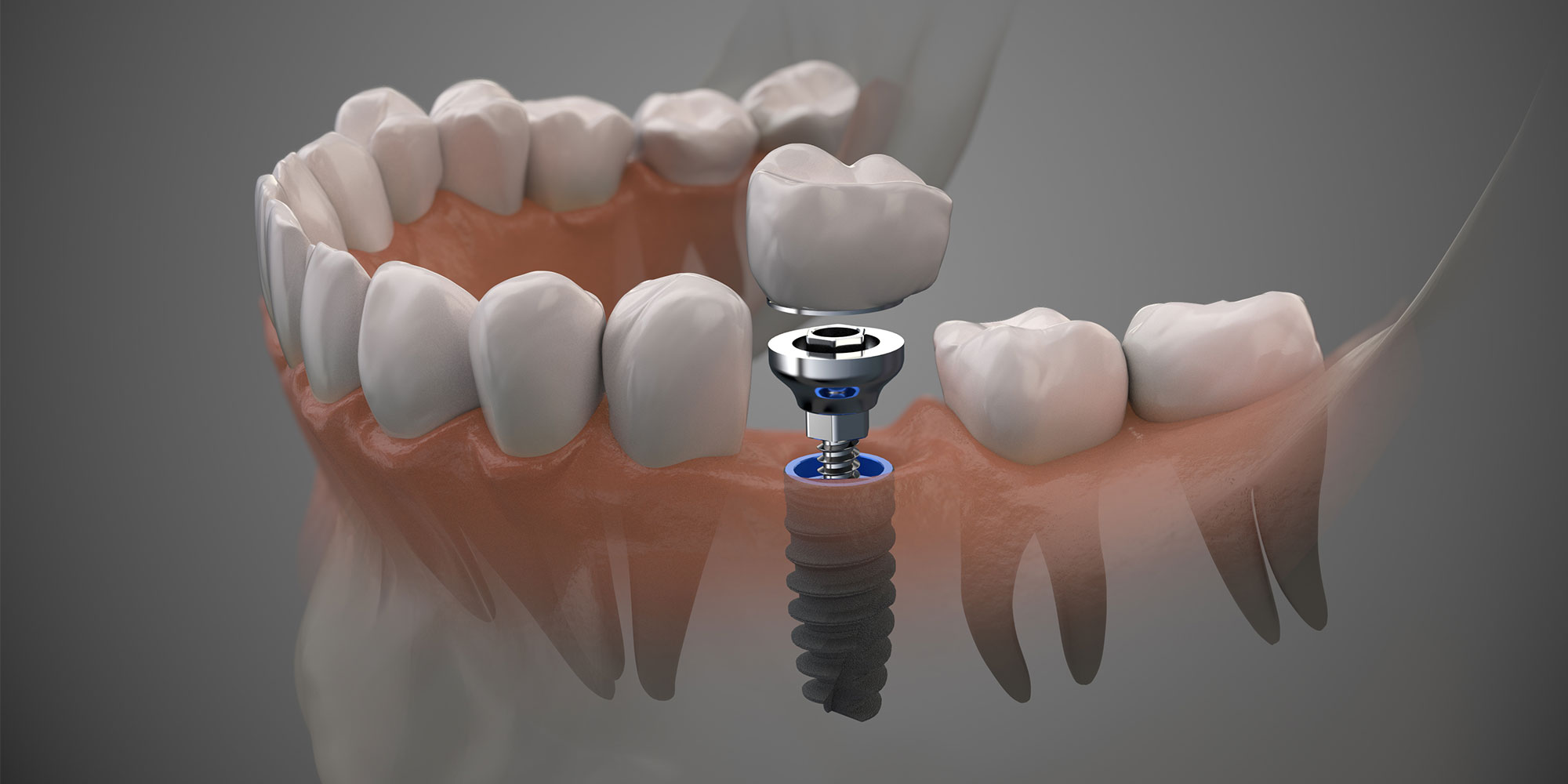
Dental implants serve as artificial tooth roots, providing a permanent base for fixed or removable replacement teeth. The implant itself is typically a small titanium post that surgeons surgically place into the jawbone beneath the gum line. Once the post is in place, the dentist mounts a replacement tooth, often called a crown, onto the implant. This structure allows the new tooth to function independently, without relying on adjacent teeth for support.
Who Needs Implants?
Dental implants may be a suitable option for patients who have experienced tooth loss. Ideal candidates typically meet specific criteria. A good candidate for implants may:
- Have lost one or more teeth due to periodontal disease, injury, or other causes.
- Have healthy gums and sufficient jawbone density to support the implant securely.
- Find dentures uncomfortable or prefer a more permanent and stable solution for tooth replacement.
Certain conditions may require further evaluation to determine if dental implants are appropriate. Patients who are heavy smokers or have chronic health conditions, such as diabetes or heart disease, will need to be assessed on an individual basis by their surgeon.
How do Implants Work?
The process relies on a titanium post that fuses directly with the jawbone. This fusion creates a sturdy anchor for the artificial tooth, preventing it from slipping or shifting during eating or speaking. After the surgeon places the implant into the jawbone, the bone grows around the post over several months. Once the bonding process is complete, a connector post called an abutment is attached to the implant to hold the new tooth securely.
How Long is Recovery?
Recovery times for implants can vary, but here’s a quick overview of what to expect:
- Recovery is dependent on the number of implants placed and your personal healing rate.
- Most patients can return to work within 1–2 days after surgery.
- Complete bone healing takes several months.
- Minor discomfort, swelling, or bruising around the implant site may occur in the days after the procedure.
- Your dentist will provide specific instructions on diet and oral hygiene to promote proper healing.
Are Implants Safe?
Dental professionals have used implants successfully for decades and have a strong track record in restorative dentistry. The materials used, primarily titanium, are biocompatible, meaning the body rarely rejects them. Complications are relatively rare but can include infection at the implant site or injury to surrounding structures. Outcomes depend heavily on where the implants are placed in the jaw and on the patient’s oral hygiene.
Ask About Dental Implants
Understanding the fundamentals of tooth replacement helps patients make educated decisions concerning their oral health care. Dental implants offer a durable option for restoring function and aesthetics after tooth loss. Regular dental visits and proper hygiene are necessary to maintain the longevity of the implant. Schedule a consultation with a qualified dental professional to see if this procedure is right for you.