
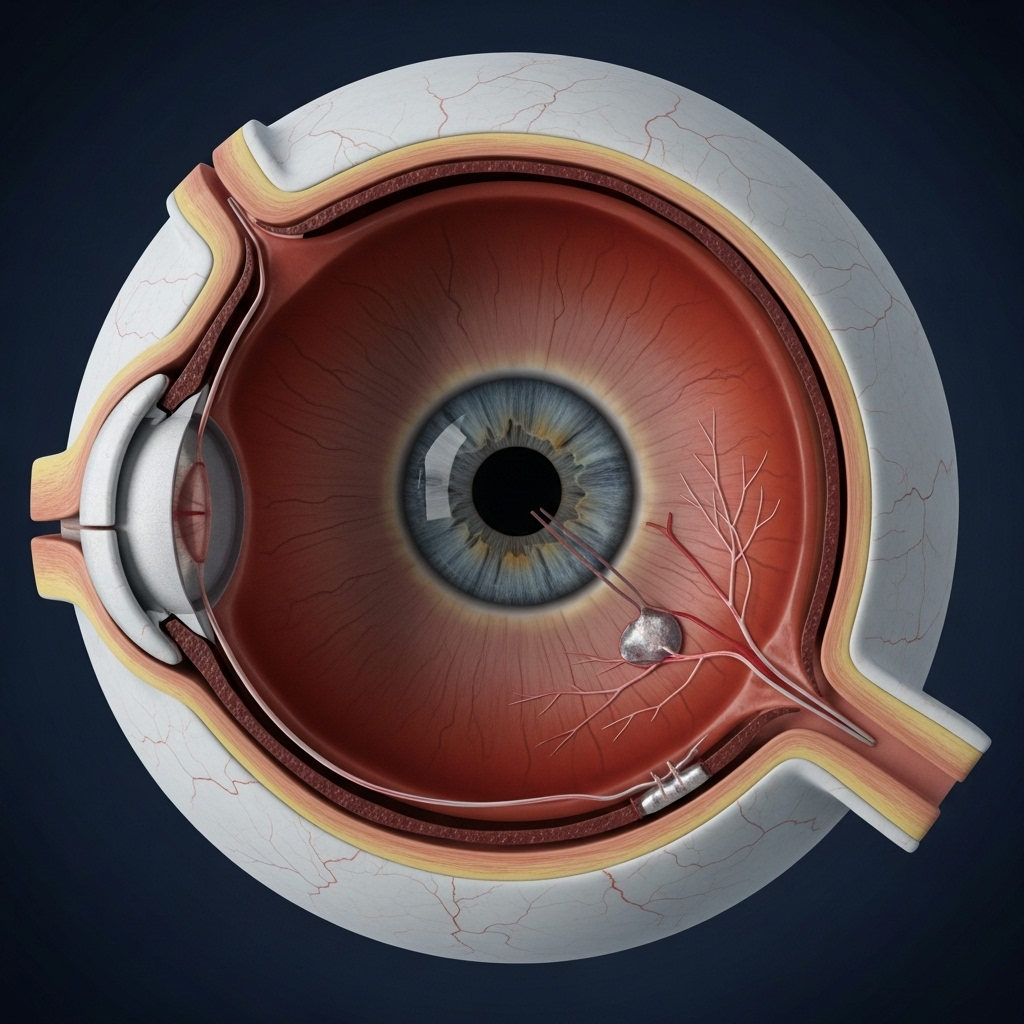
Glaucoma is a group of eye conditions that damage the optic nerve, which is responsible for transmitting visual information from the eye to the brain. While glaucoma can affect people of all ages, it is a typical problem among older adults. Here is more information about the condition, its effects, and the available treatments:
Creates High Pressure
Many forms of glaucoma are associated with an increase in the pressure inside the eye, which is known as intraocular pressure (IOP). This pressure builds up when the fluid in the front part of the eye, called aqueous humor, does not drain properly. The eye continuously produces this fluid, so if the drainage angle is blocked or functions poorly, pressure accumulates.
Individuals over the age of 60 are 6-8 times more likely to develop glaucoma. This increased risk highlights the need for heightened awareness within this demographic. The elevated pressure itself does not cause pain in most cases.
Damages Optic Nerve
Sustained high intraocular pressure places stress on the optic nerve. The optic nerve is a bundle of more than a million nerve fibers, serving as a communication cable between the eye and the brain. When the pressure inside the eye is too high, it begins to damage these sensitive nerve fibers. This damage is progressive. Over time, the destruction of nerve fibers leads to changes in vision. The process is typically slow, and you might not notice any changes in your sight until the condition has advanced significantly.
Leads to Vision Loss
If left untreated, the ongoing damage to the optic nerve will ultimately lead to vision loss. Typically, the peripheral, or side, vision is affected first. You may start to miss objects to your side and out of the corner of your eye. As the condition progresses without intervention, central vision may also be affected, ultimately leading to permanent loss of vision. Because this vision loss is irreversible, early detection is a priority.
Resolves With Treatments
While there is no cure for glaucoma, there are effective treatments to manage the condition and prevent further vision loss. The primary goal of treatment is to lower the pressure inside your eye. This may be accomplished with prescription eye drops.
Medications may help to reduce eye pressure by increasing fluid drainage or decreasing fluid production, and they can be the first line of defense. More advanced cases may require laser therapy or surgical procedures to achieve adequate pressure control. Treatment options include:
- Eye drops: These are typically the first line of treatment. Different types of drops work by either reducing the amount of fluid your eye produces or by improving how fluid drains from your eye.
- Laser therapy: A laser procedure may be recommended to help the fluid drain more effectively from the eye.
- Surgery: In some cases, a surgeon may create a new drainage channel for the fluid to leave the eye.
Your ophthalmologist will determine the most appropriate treatment plan based on your specific type of glaucoma and its severity. Following the prescribed treatment regimen consistently is part of managing the condition.
Get Treated for Glaucoma
Glaucoma is a serious condition that can lead to irreversible vision loss if not managed. The risk increases with age, so understanding its effects is a practical step toward protecting your sight. With early detection and consistent treatment, you can slow the progression of the disease and preserve your vision for years to come. If you have concerns about your eye health or are due for an examination, schedule an appointment with an eye care professional today.