
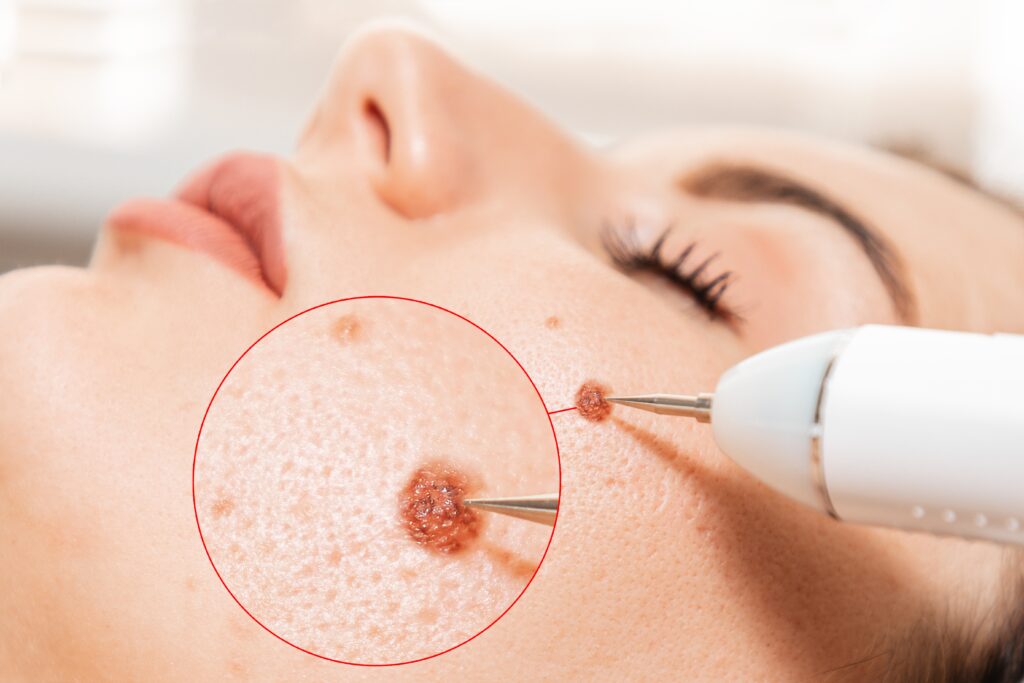
Skin cancer involves the abnormal growth of skin cells, and it is usually caused by prolonged sun exposure. While standard treatments exist, patients may require a more exacting approach for delicate areas. Mohs surgery is a specialized technique that removes growths layer by layer to preserve healthy tissue. Here is more information about Mohs surgery and its benefits:
Understanding Mohs Surgery
Mohs surgery, also known as Mohs micrographic surgery, is a specialized treatment that combines surgical removal with microscopic analysis. This method allows the surgeon to verify that all cancer cells are gone in real-time during the actual procedure. It differs from standard excision; the surgeon acts as both the remover of the cancer and the pathologist. Because the team views the tissue immediately, they preserve as much healthy skin as possible.
Explaining the Surgical Procedure
The physician starts by removing the visible growth, and then they create a map of the treatment area. This mapping allows the team to pinpoint the exact location of any remaining cancer cells. Because the goal is precision, the surgeon then carefully extracts a thin layer of tissue.
After the removal, the team examines the tissue under a microscope. If they find cancer cells, they return to the specific area indicated on the map to remove another layer. This cycle repeats until the sample shows no evidence of cancer, so the healthy tissue remains untouched.
Once the site is clear, the surgeon determines the best way to repair the wound. Depending on the size of the wound, the team may perform one of these repairs:
- Letting the wound heal naturally
- Stitching the wound closed
- Using a skin flap
- Placing a skin graft
The goal is an optimal cosmetic result, but the primary focus remains cancer elimination.
Exploring the Benefits
This method is the most effective skin cancer treatment available today because it offers up to a 99% success rate for growths treated the first time. By checking the margins during the surgery, the doctor saves as much healthy skin as possible. Standard excision examines less of the margin, and this can result in increased scarring at the surgical site.
Mohs micrographic surgery primarily treats basal cell carcinomas and squamous cell carcinomas. These common cancers develop from prolonged sun exposure, and they can damage surrounding tissues if left untreated. This surgery is performed with local anesthesia only, so it avoids the potential side effects and lengthier recovery period associated with general anesthesia.
Scheduling a Consultation
Seek professional advice about concerns regarding prolonged sun exposure. If you notice changes in your skin, new growths, or moles that look different than they used to, call a dermatologist to schedule an evaluation. Basal cell carcinomas and squamous cell carcinomas can be serious, and early detection is beneficial. A dermatologist can assess lesions and growths to determine if surgery is necessary.
Learn More About Mohs Surgery
Mohs surgery eliminates signs of cancer while preserving your healthy tissue. It is a highly effective treatment, and it provides the highest cure rate for most skin cancers. Because it is precise, it preserves healthy surrounding tissue while treating basal and squamous cell carcinomas. If you want to learn more about skincare and cancer prevention, consult a dermatologist near you.