
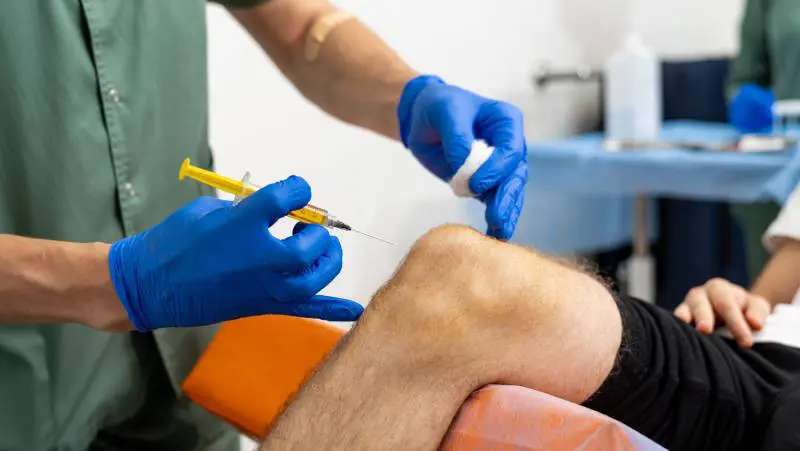
Joint pain impacts quality of life, affecting mobility and daily activities, and while traditional treatments like medication and physical therapy offer relief for some, others find these methods insufficient or temporary. Platelet-rich plasma (PRP) therapy is an alternative for managing chronic joint issues. This regenerative medicine technique utilizes the body’s natural healing properties to address pain at its source. Understanding how PRP works gives patients more options for effective pain management.
What Is Joint Pain?
Joint pain refers to discomfort, aches, or soreness in any of the body’s joints. It is a common symptom that ranges from mild irritation to debilitating agony, and it may limit movement and functionality. The condition affects various parts of the body, including the knees, hips, shoulders, and hands. Traditional treatments focus on symptom relief, but newer approaches, such as PRP therapy, aim to repair the underlying damage causing the discomfort.
What Causes It?
Several factors contribute to joint pain, and arthritis is a primary cause. Osteoarthritis involves the breakdown of cartilage that cushions the ends of bones, leading to friction and inflammation. Rheumatoid arthritis, an autoimmune disorder, causes the immune system to attack the lining of the joints.
Injuries from sports or accidents also lead to long-term joint issues. Ligament tears, tendonitis, and bursitis are common conditions that result in persistent pain if not treated properly. Overuse and repetitive motion can wear down joint structures over time, and age is a significant risk factor for these conditions.
What Is PRP?
Platelet-rich plasma (PRP) is a concentration of a patient’s own platelets used to accelerate healing. Platelets are blood cells primarily known for their role in clotting, but they also contain hundreds of growth factors. These growth factors are proteins that play a valuable role in the healing of injuries.
PRP therapy harnesses these growth factors to stimulate tissue repair and regeneration. A concentrated dose of platelets is injected into damaged tissue, and the body receives a powerful signal to begin the healing process. This biological approach distinguishes PRP from synthetic medications or corticosteroids used for pain relief.
What Does the Process Involve?
The process begins with a standard blood draw from the patient’s arm. This blood is then placed in a centrifuge, a machine that spins at high speed to separate the blood components. The spinning process isolates platelets from red and white blood cells; this creates the platelet-rich plasma. Once the PRP is prepared, a healthcare provider injects it directly into the affected joint.
What Are the Benefits?
One primary benefit of PRP therapy is its potential to provide long-lasting relief. Some medical treatments offer temporary symptom suppression, but PRP aims to repair the damaged tissue causing the pain. This restorative approach can delay or eliminate the need for more invasive surgical interventions.
PRP is an autologous treatment, meaning it uses the patient’s own biological material. This reduces the risk of allergic reactions or rejection that can occur with other substances. PRP therapy has a low downtime profile, and patients may return to their normal daily activities relatively quickly.
Find Relief Today
Advances in regenerative medicine offer new options for those seeking to improve their mobility and reduce discomfort. If joint pain limits your daily life, consult with a specialist about PRP therapy. A medical professional can evaluate your specific condition, and they will determine whether this regenerative treatment aligns with your health goals.