
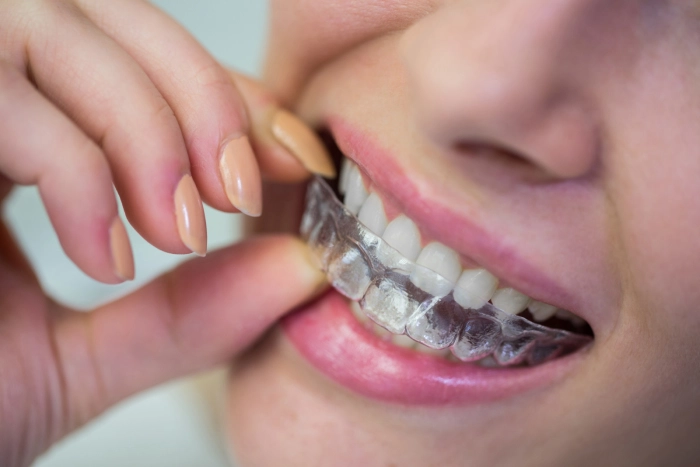
Retainers play a vital role in maintaining tooth alignment after orthodontic treatment, helping preserve long-term results. Without proper care, they can accumulate bacteria, develop odors, or become damaged, reducing their effectiveness. Understanding how to clean and store retainers correctly helps protect oral health, extend the appliance’s lifespan, and ensure consistent orthodontic outcomes.
Daily Cleaning Habits for Retainers
Bacteria, plaque, and food particles accumulate on your retainers throughout the day. To help, rinse your retainer with lukewarm water every time you remove it. This simple action removes loose debris before it hardens. It also keeps your appliance fresh between deep cleanings. You should gently brush your retainer daily with a soft-bristled toothbrush to remove invisible film.
Be careful when choosing cleaning products for your daily routine. Avoid regular toothpaste. It is often too abrasive and sometimes creates tiny scratches where bacteria hide. Instead, use mild dish soap or a specialized orthodontic cleaner. Rinse the soap off completely before putting the retainer back in your mouth to avoid an unpleasant taste.
Deep Cleaning and Weekly Maintenance
While daily brushing removes surface debris, your retainer needs a deeper weekly cleaning. This weekly soak tackles stubborn buildup and bacteria. It also prevents white tartar spots, which are hardened calcium deposits. You can use specialized cleaning tablets from a drugstore. Or, you can make a gentle cleaning solution at home.
To make a cleaning bath, mix equal parts distilled white vinegar and lukewarm water. Let your retainer sit in the solution for 15-20 minutes. Don’t soak it for hours, as the acid can damage the material. After soaking, gently scrub it with a soft toothbrush to remove any loose plaque. Then, rinse it thoroughly with cool water. Never use hot or boiling water, as extreme heat can warp the plastic. You should also avoid products with bleach or alcohol. These harsh chemicals can dry out the plastic and cause it to crack.
Proper Storage to Prevent Damage or Loss
Storing your retainer correctly is as necessary as cleaning it. Physical damage is a leading cause for replacement. A common mistake is wrapping retainers in a napkin during meals. This often leads to them being thrown away. To avoid this, always carry your retainer case. Place your appliance inside whenever it’s not in your mouth. Leaving it out exposes it to bacteria. It also increases the risk of it being dropped or stepped on.
Keep your case in a cool, dry place and away from heat. Heat is a major enemy of plastic retainers. Never leave your retainer in a hot car or on a sunny windowsill. The high heat can cause the plastic to melt or distort. Also, keep your retainer case out of reach of family pets. Dogs are attracted to the scent of saliva. They can chew through a retainer in seconds if they find it.
When to Replace or Check Your Retainers
Even with excellent care, retainers will eventually wear out. Replace your retainer if you notice small cracks in the plastic. You should also replace it if the wire on a Hawley retainer feels loose. If the retainer feels different or your teeth seem to shift, contact your dentist immediately. Clear plastic retainers need replacing every few years, while wire retainers last longer with proper care.
Regular dental check-ups help make sure your dentist can inspect the retainer and confirm it still fits perfectly. Professionals use cutting-edge technology like digital scanners to create precise replacement retainers. This technology eliminates messy impressions and ensures a custom fit that keeps your smile intact.
Book an Appointment Today
Taking care of your retainers is significant to maintaining healthy teeth. Following these simple cleaning and storage tips helps you protect your retainers. Consistent wear and proper hygiene are fundamental to the long-term success of your orthodontic treatment. Book a consultation with an orthodontist in your city to answer your questions about your current appliance, replacement needs, or exploring professional services.