
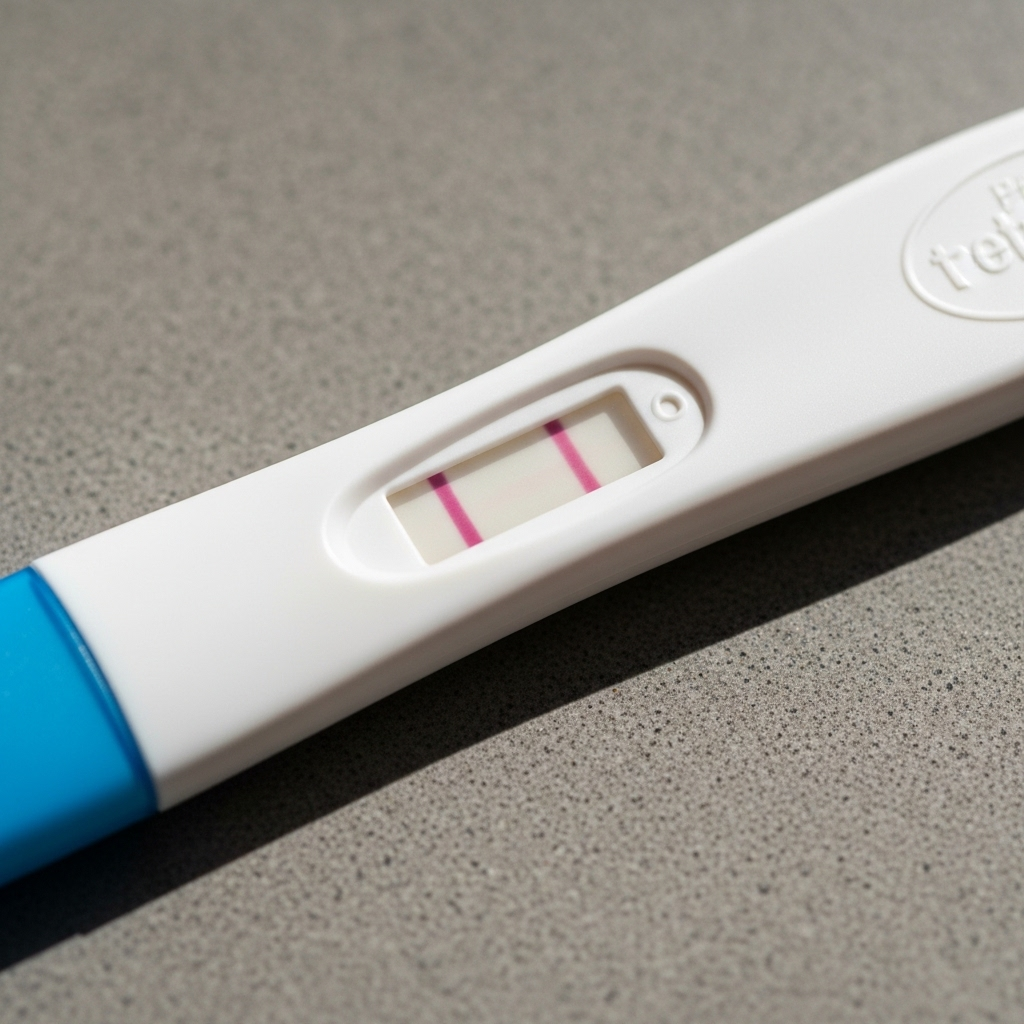
Taking a pregnancy test can bring up many emotions, from excitement to anxiety. Understanding how to read and interpret your results correctly helps you get accurate information. Here is some information that will help you through the steps for reading pregnancy test results correctly and what to do next.
Understanding Pregnancy Test Types
The way a pregnancy test works is by looking for human chorionic gonadotropin (hCG), a hormone your body starts making after a fertilized egg implants. There are two main types: home urine tests and blood tests performed by healthcare providers. Understanding how these tests work is the first step in getting precise results.
For home pregnancy tests, it’s usually best to wait until you’ve missed your period. Testing too early can give you a false negative because your hCG levels might not be high enough yet. While some tests claim to yield results earlier, waiting provides the most accurate result.
Always take your test first thing in the morning when your urine has the highest concentration of hCG. Carefully follow all the instructions that come with your test, including how to collect your sample and the exact waiting time before reading the results. This will help you get the most reliable outcome.
Reading Digital and Line-Based Tests
Understanding your pregnancy test results is key, and there are two main types to look at. Digital tests are straightforward to read; they display “Pregnant” or “Not Pregnant” in clear language. Wait the full time specified in the instructions before checking your result, as these tests often show a symbol while they’re processing. Line-based tests require more attention. You’ll look for a control line, which should always appear to confirm the test is working, and a test line, which shows up if hCG is detected. If you see two lines, that usually means you are pregnant. If only the control line appears, and there’s no line in the test area, then the result is negative.
Interpreting Ambiguous Results
Sometimes, the result isn’t immediately clear. You might see a very faint line, leaving you unsure. A faint line usually means you’re in early pregnancy when your hCG levels are still low. If you see any line at all in the test area, it’s best to call it a positive result and schedule an appointment with your care provider.
Invalid results occur if the control line doesn’t appear, or if the test fails to function correctly. If this happens, discard that test and use a brand new one. Always check the expiration date before testing, as expired tests may not provide accurate results.
If your test is positive, your next step is to schedule an appointment with your healthcare provider. They can confirm the pregnancy and help you start your prenatal care journey, possibly with a blood test that detects hCG levels earlier. If you get a negative result but still think you’re pregnant, wait a few days and test again; you might have tested too early. If pregnancy symptoms continue with negative tests, it’s always a good idea to talk to your healthcare provider.
Make an Informed Decision
Reading your pregnancy test correctly is just the first step. A positive result means scheduling a healthcare appointment, starting prenatal vitamins, and making necessary lifestyle changes. Take time to process your emotions and seek support from friends, family, or a counselor if needed. While home pregnancy tests are highly accurate, they’re not infallible, and a healthcare provider can offer reliable confirmation. Let yourself make informed decisions and don’t hesitate to seek professional medical advice.