
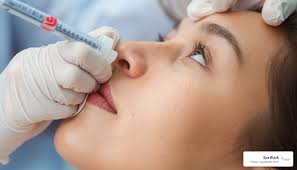
Botox is an injectable treatment for softening expression lines and addressing select medical concerns, but results and safety depend heavily on informed decision-making. The most significant factors include choosing a qualified provider, understanding appropriate dosing and placement, and setting realistic expectations about outcomes. Here are the key concerns to keep in mind when choosing Botox treatments:
Choosing the Right Provider
Choosing the person who performs the Botox injection is a fundamental decision. A skilled provider has a deep understanding of facial anatomy and knows exactly where to place the needle. This prevents complications and promotes a natural smile. You should look for the following specific qualifications when you research potential injectors:
- Board certification in a relevant medical field, like dermatology.
- Specific training and experience with cosmetic injectables.
- Before-and-after photos of previous patients with similar goals.
- A clean and professional medical office rather than a casual setting.
These credentials indicate that the provider follows strict safety protocols, and it is advisable to ask detailed questions about their experience during your initial consultation.
Verifying Product and Dose
You should verify that the office uses authentic, FDA-approved products. Botox is a well-known brand, but providers may also offer alternatives such as Dysport, Xeomin, or Daxxify. The provider should explain which product they are using on your face and create a customized dosing plan for your specific muscles.
Every face has a different structure, so a standard dose does not work for everyone. A strong muscle requires more units of medication than a weaker muscle to achieve the same effect. The goal is to soften the lines while allowing you to maintain natural facial expressions. A customized approach can help prevent the “frozen” look that some patients want to avoid.
Setting Realistic Expectations
It is helpful to have realistic expectations about what neuromodulators can achieve. Botox is great for treating dynamic wrinkles, which are lines formed by repetitive muscle movements. It works very well on glabellar lines (frown lines), crow’s feet around the eyes, and forehead wrinkles. It can also treat bunny lines on the nose or create a lifting effect for the eyebrows.
Botox does not eliminate static wrinkles that appear when your face is at rest; these lines often result from sun damage or a loss of skin elasticity. You may need a different treatment, such as dermal fillers, to address deep folds or volume loss. Your provider can evaluate your skin to determine if Botox is the right treatment for your goals.
Protecting Results and Aftercare
Common side effects of Botox include mild redness, swelling, or tenderness at the injection site. These issues are usually temporary and typically subside within a few hours or days. You can help prevent complications by following proper aftercare instructions. Here are some guidelines to make sure the medication settles correctly:
- Remain upright for four hours after the treatment.
- Avoid massaging or rubbing the treated areas for 12 hours.
- Skip vigorous exercise or heavy lifting for the rest of the day.
Following these rules prevents the toxin from spreading to unintended muscles. If you experience any unusual symptoms, you should contact your provider immediately.
Schedule Your Botox Appointment Today
Botox treatments offer a proven way to smooth wrinkles and refresh your appearance without surgery. You should evaluate the provider’s skills, the product’s authenticity, and your aesthetic goals. To address fine lines, contact a qualified dermatologist in your area to schedule your Botox consultation today.