
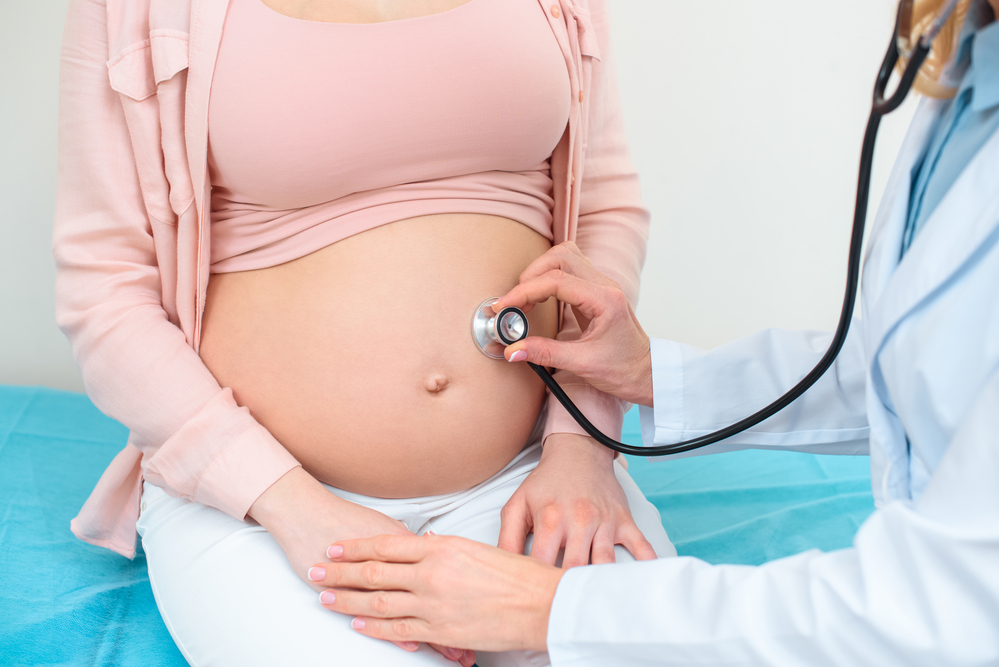
OBGYNs are doctors specializing in female reproductive health, and they provide a wide range of services, from general medical care to management of pregnancy and childbirth. While many associate them with pregnancy, their role extends to overall women’s health throughout different life stages. Here is more information about what an OBGYN does to help you know when to seek their guidance:
Assisting Pregnancies
An OBGYN manages care during pregnancy, labor, and the postpartum period. They monitor the health of both the mother and the fetus. An OBGYN can track development through regular check-ups and ultrasounds, and they are prepared to handle any complications that may arise. Your doctor provides continuous support from conception until after the baby is born. OBGYNs perform these services:
- Conducting routine prenatal check-ups to monitor the mother’s and baby’s health.
- Performing ultrasounds and other screenings to track fetal development.
- Offering advice on nutrition, exercise, and lifestyle choices for a healthy pregnancy.
- Managing high-risk pregnancies and addressing potential complications.
- Providing support and care during labor and delivery.
Performing Pap Smears
The Pap smear is a procedure to test for cervical cancer in women. An OBGYN performs this test during a pelvic exam, which is a routine part of a well-woman visit. Cells are gently scraped from the cervix and examined for abnormal growth. Since it detects changes early, the test is a preventative screening tool.
Providing Well-woman Exams
Annual well-woman exams are a key component of preventative health care for women. These visits are an opportunity to discuss your health and lifestyle, and your OBGYN will perform a physical examination. The exam typically includes a breast exam, a pelvic exam, and a Pap smear, depending on your age and health history. These appointments build a baseline for your health, which allows for early detection of potential issues.
Well-woman exams also offer a confidential space to discuss topics related to your reproductive health. You can talk about birth control options, and you can also bring up concerns about your menstrual cycle or sexual health. Your doctor provides information and guidance tailored to your specific situation. This personalized care helps you make informed decisions about your body and well-being.
Your OBGYN also tracks your overall health during these visits. They might check your blood pressure, and they may recommend other health screenings based on your personal risk factors. Regular check-ups foster a strong patient-doctor relationship, creating a comfortable environment for you to address any health questions that come up between appointments.
Screening for Cancer
Beyond Pap smears, OBGYNs screen for other types of cancers affecting the reproductive organs. During a pelvic exam, they can check for abnormalities in the uterus, ovaries, and other pelvic structures. If you have a family history of certain cancers, your doctor might recommend additional screenings. These screenings include:
- Mammograms
- Genetics testing
- Ultrasounds
An OBGYN is typically trained to recognize the signs of gynecologic cancers. They evaluate symptoms like abnormal bleeding or pelvic pain, and they can order further diagnostic tests if needed. This proactive approach to screening is designed to identify problems at an early stage.
Visit an OBGYN Today
An OBGYN is a key partner in managing your reproductive health, from routine check-ups to pregnancy care. They offer specialized knowledge and a wide array of services that support your well-being through all phases of life. If you have questions about your reproductive health or are planning for a family, scheduling an appointment with an OBGYN is a positive step forward. Find a provider near you to begin the conversation about your health care.