
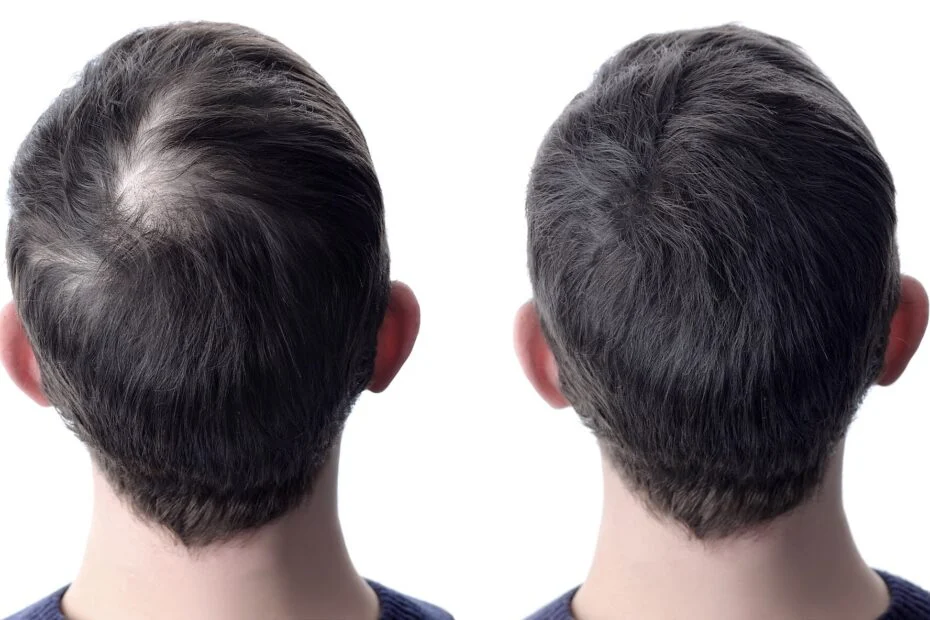
Platelet-rich plasma (PRP) therapy for hair loss is a three-step medical treatment. A practitioner draws a person’s blood, processes it, and then injects it into the scalp. PRP injection treatment may help stimulate natural hair growth by increasing blood flow to the hair follicles, potentially resulting in thicker hair shafts. Here is more information about this approach to hair restoration:
Eliminates Need for Surgery
For individuals exploring non-surgical options for hair restoration, PRP therapy presents an alternative. This treatment does not involve incisions, so there is no surgical scarring to be concerned about. Hair transplant procedures, while effective for many, are surgical and require a period of recovery. PRP therapy provides a different pathway for those who prefer to avoid surgery.
PRP is an autologous treatment, meaning substances derived from your own body can help. For the procedure, a doctor draws your blood and then spins the blood in a centrifuge. Platelet-rich plasma is separated and prepared for scalp injection.
Uses a Minimally Invasive Procedure
The PRP injection process is minimally invasive. After the initial blood draw, a topical anesthetic is sometimes applied to the scalp to help manage any discomfort before the injections begin. The prepared platelet-rich plasma is then injected into targeted areas of the scalp, and this process helps promote healing and hair growth.
Increases Hair Growth
PRP therapy aims to stimulate dormant or newly implanted hair follicles into an active growth phase. The concentrated platelets contain growth factors, and when these are injected into the scalp. They may promote cell repair and regeneration. This process may lead to an increase in both the number of hairs and the thickness of the hair shaft, resulting in a fuller appearance.
Results from PRP treatments are not immediate. Hair growth occurs in cycles, and it may take several months to see any changes in hair density or thickness. To maintain the results, doctors typically recommend follow-up treatments.
The specific treatment schedule can vary from person to person, depending on their individual hair loss pattern. PRP therapy is most effective when combined with a comprehensive hair care regimen. This may include a healthy diet and proper scalp maintenance. Consulting with a qualified specialist can help tailor the treatment to meet individual needs and maximize results.
Combines With Medications
PRP therapy is not a standalone solution for everyone and can be used in conjunction with other hair loss treatments. It is sometimes combined with medications like minoxidil or finasteride. Using PRP in conjunction with these medications may provide a multifaceted approach to managing hair loss.
This combination enables a comprehensive strategy, addressing hair loss from multiple angles. While medications work to slow hair loss or stimulate new growth, PRP therapy focuses on strengthening hair follicles through the use of its growth factors. This integrated approach is something you may want to discuss with a specialist to determine if it is suitable for your specific situation.
Schedule a PRP Injection Today
PRP therapy offers a non-surgical option for individuals dealing with hair loss. The treatment uses a minimally invasive procedure, may increase hair growth, and can be combined with other medications. If you are curious about how a PRP injection might fit into your hair restoration plan, the next step is to gather more information. Schedule a consultation with a qualified professional to discuss your specific needs and learn if this treatment is proper for you.