
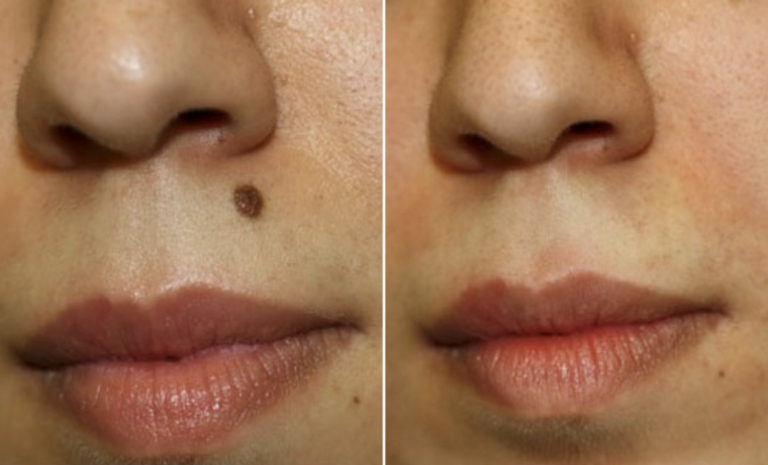
Skin tags are small, benign growths that appear on the body, and skin tag removal is the procedure used to eliminate them. While these fleshy bumps do not cause pain, you might find their appearance bothersome or physically irritating. A dermatologist can remove these growths safely. Here is more information about skin tags and how doctors remove them:
Identifying Skin Tags
Skin tags are small, noncancerous growths that hang from the skin by a tiny stalk. These bumps are harmless. Some people do find them unsightly or bothersome, and skin tags may be treated with skin tag removal options. A skin tag usually matches your skin color, but some appear darker or resemble a raised mole.
The growths are soft, and they measure between one and five millimeters in size. Some can grow as large as a few centimeters. Most adults will develop at least one of these benign lesions during their lifetime. Because they may look like warts or other skin diseases, you may have a doctor examine them to confirm if they are skin tags.
Understanding Common Causes
These growths develop when the body produces extra cells in the skin’s top layers. Friction causes them to form in areas where natural movement makes skin rub against itself, such as bodily creases. You might notice them in folds like the armpits or eyelids. The neck is another common location, but they also grow on the thighs.
Collagen and blood vessels build up within the thicker parts of the skin to create these fleshy bumps. Several health conditions and life stages can increase the likelihood that you will develop them. These include:
- Living with obesity
- Having a family history of skin tags
- Experiencing pregnancy
- Living with diabetes
- Aging
Exploring Removal Methods
Your provider will likely choose one of several common methods to remove the growth during an office visit. Excision involves using surgical scissors or a scalpel to cut the tag off after numbing the area. Doctors sometimes prefer this method because it is clean, and the results are immediate. Since the procedure is quick, you can return to normal activities soon.
Another option involves using liquid nitrogen to freeze the tissue. This method is called cryotherapy, and the tag falls off after 10 to 14 days. Cauterization uses heat to burn the growth off, and electrodessication dries out the tissue with an electric current. Your doctor will decide which method is most appropriate, and they will explain the process before they begin.
Recognizing Warning Signs
See a doctor if a growth bleeds easily or becomes twisted. Home remedies like removal creams are unsafe because they can cause skin ulcers, and they can lead to infection. A dermatologist may safely treat sensitive areas like the eyelids to minimize scarring. At-home freeze kits damage the surrounding skin, but a professional procedure is more precise.
Professional diagnosis may be beneficial because skin cancer sometimes resembles a benign tag. A medical professional will perform an exam to rule out other skin diseases. They might take a biopsy if the lesion looks suspicious, or they might remove it immediately.
Find Skin Tag Removal Today
Skin tags are common, benign growths that form where skin rubs together, and they can be removed for aesthetic or comfort reasons. Avoid unsafe at-home removal methods that lead to scarring or infection. To learn more about removing skin tags, consult a dermatologist near you.