
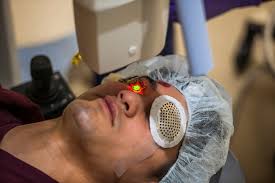
Corneal cross-linking is a medical procedure designed to address conditions that weaken the cornea. This treatment aims to strengthen the corneal tissue, helping to maintain its shape and function. For individuals with progressive corneal thinning, this procedure offers an option for preventing vision loss. Here is more information about the basics of corneal cross-linking and how it benefits eye health:
How Corneal Cross-Linking Works
The cornea, the eye’s transparent outer layer, is made up of collagen fibers. In certain conditions, these fibers can become weak, causing the cornea to lose its normal dome shape and bulge outward. This change in shape affects how light enters the eye, potentially leading to distorted vision. Corneal cross-linking helps create new bonds between the collagen fibers.
The procedure involves the application of specific eye drops containing riboflavin, also known as vitamin B2. Once the cornea has absorbed the riboflavin, it is exposed to a controlled amount of ultraviolet (UV) light. The combination of riboflavin and UV light activates a reaction, forming new, stronger links between the collagen fibers. This should create a stiffer, more stable cornea that is better able to hold its shape.
What to Expect During the Procedure
Before the procedure begins, your eye doctor will administer anesthetic eye drops to numb your eye for comfort. The thin outer layer of the cornea is gently removed to allow the riboflavin drops to penetrate the corneal tissue more effectively. After the absorption period, the UV light is directed at your cornea for a set amount of time. At the treatment’s conclusion, a protective bandage contact lens is placed on your eye to aid in healing and reduce discomfort. You will be given specific instructions for aftercare, including using prescribed eye drops.
Impact of Cross-Linking on Eye Health
Strengthening the cornea through cross-linking has a direct impact on eye health. By reinforcing the cornea’s structure, the procedure helps halt the progression of conditions like:
- Keratoconus: This condition causes the cornea to thin and bulge.
- Pellucid marginal degeneration: This condition is also characterized by corneal thinning that leads to distorted vision.
- Corneal ectasia: This can occur after refractive surgeries, such as LASIK.
A more stable cornea provides a better surface for light to focus on the retina, which is necessary for clear vision. While the primary goal of cross-linking is to stop conditions from worsening, some people also experience an improvement in their vision over time. The strengthened cornea can provide a more regular surface, helping reduce visual distortions caused by the corneal bulge. This structural support helps preserve long-term visual function and potentially reduces the need for more invasive procedures.
Visit a Lasik Specialist Today
Understanding the details of corneal cross-linking is a helpful step in managing your eye health. This procedure offers a way to stabilize a weakening cornea. A qualified specialist will provide you with personalized information regarding your specific condition, helping you decide if this treatment option is right for you. To learn more, schedule a consultation with a certified eye doctor today.