
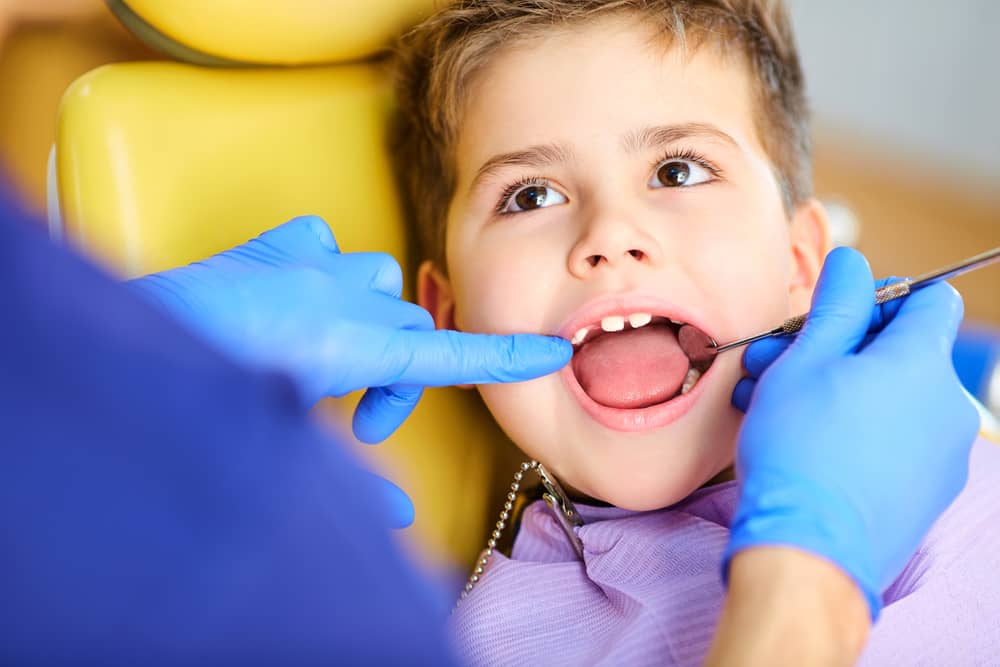
While many parents may believe braces are only for teenagers, orthodontists recommend screenings much earlier. Orthodontics is a specialized field dedicated to diagnosing and correcting irregularities in the teeth and jaws. This branch of dentistry focuses on aligning bites, and children’s orthodontics providers address the developing mouths of younger patients. You might seek an evaluation because you notice spacing issues, or perhaps your dentist suggests it, but the primary goal is to identify problems before they become harder to treat.
Defining Children’s Orthodontics
Children’s orthodontics is a specialized branch of orthodontics dedicated to treating younger patients. Children have different needs than adults, and orthodontists use unique techniques for them. Because a child’s jaw is still growing, an orthodontist can use interceptive treatments to guide development. These procedures stop conditions from worsening, and they can help avoid more complex procedures in the future.
Understanding the Evaluation
The first visit involves a thorough examination of the teeth and jaws. The orthodontist might use panoramic X-rays, which allow them to see below the surface. This imaging reveals missing or impacted teeth, and the orthodontist also performs an intraoral exam to check alignment. The goal is to determine if a problem exists, and if so, what treatment options are available.
You will typically learn immediately if the orthodontist thinks treatment is necessary. Sometimes the orthodontist recommends waiting, or they might suggest starting right away. Because every mouth is unique, the orthodontist creates a plan that fits your child’s specific developmental stage. The exam answers questions about treatment duration and provides a road map for future care.
Starting Care Early
Early visits give the orthodontist more flexibility regarding treatment options. Because the jawbone is still developing, the orthodontist can guide teeth into proper positions more effectively. This proactive approach simplifies the process, and since the mouth is malleable, it reduces overall treatment duration. Starting early allows for better manipulation of jaw growth, and it decreases the likelihood of future extractions.
Evaluation by age seven allows orthodontists to detect issues early. When a professional intervenes during this growth phase, they can:
- Decrease the need for tooth removal
- Save space for unerupted teeth
- Create better facial symmetry
- Make room for erupting teeth
Addressing concerns early prevents them from becoming complex. The orthodontist can align front teeth with brackets, but they might also use retainers to hold positions. This sets the stage for a healthy smile, and it makes future phases of treatment easier. When you act before all permanent teeth erupt, you help your child avoid more invasive procedures later.
Learn More About Children’s Orthodontics
Orthodontic health is one component of overall well-being. Screening by age seven allows for monitoring, and it helps catch potential issues early. Although your child might not need immediate appliances, an exam can provide clarity. You can work with a specialist to achieve a healthy smile, and they will guide your family through the entire process. If you want to learn more about an orthodontic evaluation for your child, consult an orthodontist near you.