
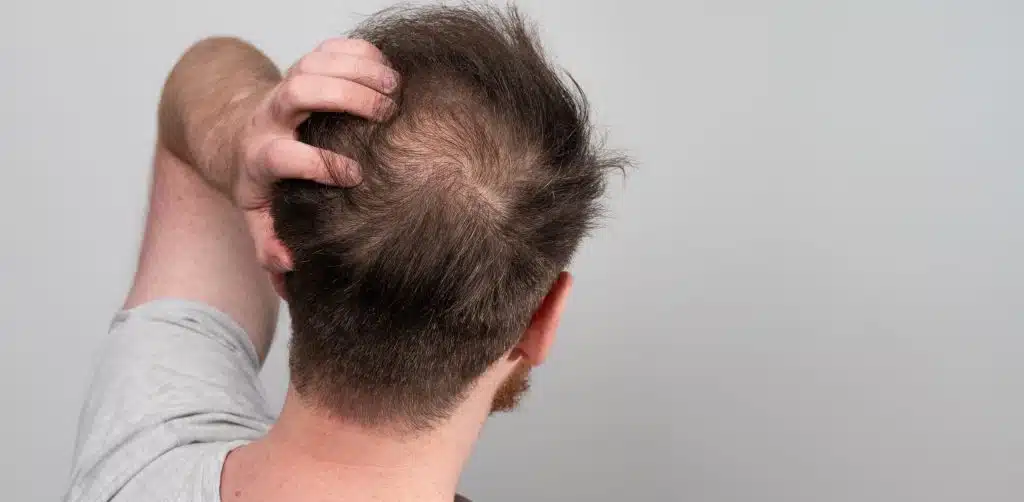
Hair loss affects many people, and it leads to noticeable changes in their appearance. Individuals experiencing thinning hair or baldness may seek ways to address these changes. Hair transplant procedures offer one method for restoring hair by moving follicles from one part of the scalp to another, providing a solution for those looking to alter their hairline. Here is more information about hair loss and the benefits of transplant procedures:
Unwanted Appearance
Progressive hair loss alters a person’s physical appearance. This change can manifest as a receding hairline, a bald spot at the crown, or general thinning across the scalp, and these patterns vary among individuals. Hair provides a frame for the face, while its absence changes facial proportions. The specific appearance of hair loss depends on its cause and the individual’s genetic predisposition.
Permanent Results
Hair transplant procedures typically provide lasting outcomes. Surgeons transplant healthy hair follicles from a donor area to the balding or thinning areas. These transplanted follicles retain their original characteristics, and they will continue to grow hair for the long term. This process creates a permanent change, while the follicles are not susceptible to the same balding pattern affecting the original hair in that location.
The relocated follicles integrate into the new area and begin a new growth cycle. While the initially transplanted hairs may shed after the procedure, new hair grows from the follicles within a few months. This new hair grows naturally, and you can cut, style, and wash it just like the rest of your hair.
Because the procedure uses your own hair, the results look and feel natural. The texture and color of the new hair match the surrounding hair, and it aims for a seamless blend. Specialists carefully place each follicle to mimic a natural growth pattern, and this meticulous approach helps achieve an authentic-looking hairline.
Minimal Scarring
Modern hair transplant techniques, such as follicular unit extraction (FUE), are designed to leave minimal scarring. The FUE method involves extracting individual hair follicles directly from the scalp, which creates tiny puncture marks. These marks typically heal quickly and are often unnoticeable once the hair grows out.
This technique differs from older methods that involved removing a strip of scalp tissue. The individual extraction points of FUE reduce visible signs of a procedure, and the donor area heals with small dots that become covered by surrounding hair. This approach is beneficial for those who prefer to wear their hair short.
Restored Hairline
A key objective of a hair transplant is to reconstruct the hairline. A well-designed hairline appears natural and is appropriate for the individual’s facial structure and age. Surgeons work with you to plan a hairline that complements your features.
A restored hairline can redefine the contours of your face. Specialists consider several factors during this process:
- The shape of your face
- Your age
- The progression of your hair loss
The placement of each hair follicle is carefully planned to create a soft, natural-looking transition from the forehead to the hair. This detailed work helps avoid a harsh or artificial look, contributing to a satisfactory outcome.
Book a Hair Transplant Today
Hair transplants are a surgical procedure for hair restoration, and they use your own hair to repopulate thinning areas. The procedure moves hair follicles from a dense donor site to a recipient site, which offers a lasting solution. If you are exploring ways to manage hair loss, learning about this procedure is a useful step. Schedule a consultation with our specialists to discuss your specific situation and learn more about the process.