
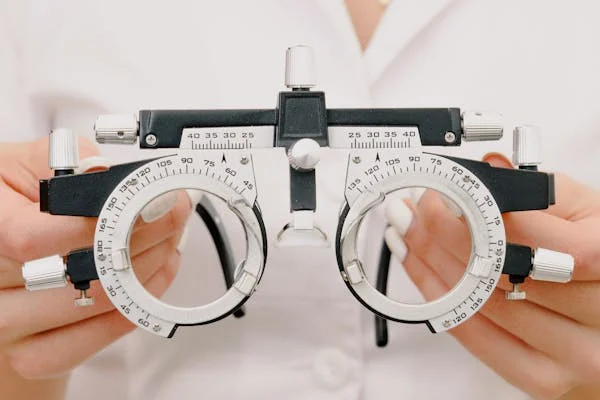
Regular eye care plays a fundamental role in maintaining overall health and quality of life. Optometrists serve as primary eye care professionals, diagnosing, treating, and managing various vision and eye health conditions. Understanding what optometrists do and the services they provide helps patients make informed decisions about their eye care needs.
What Is an Optometrist?
An optometrist is a healthcare professional who specializes in examining, diagnosing, and treating conditions related to the eyes and visual system. Optometrists differ from ophthalmologists, who are medical doctors specializing in surgical eye treatments. While ophthalmologists perform eye surgeries, optometrists focus on primary eye care, vision correction, and non-surgical treatments. They also differ from opticians, who primarily fit and dispense eyeglasses and contact lenses based on prescriptions written by optometrists or ophthalmologists.
What Services Do They Offer?
Optometrists provide comprehensive eye examinations that assess both vision and eye health. These examinations include visual acuity testing, refraction to determine prescription needs, and evaluation of eye movement and coordination. They also perform dilated eye exams to examine the internal structures of the eyes, including the retina and optic nerve.
Vision correction services form a significant part of optometric practice. Optometrists prescribe and fit eyeglasses, contact lenses, and specialty lenses for conditions like astigmatism or presbyopia. They may provide contact lens training and follow-up care to maintain proper lens hygiene and comfort. Optometrists also offer treatment for various eye conditions using medications, therapeutic procedures, and management strategies.
What Conditions Do They Treat?
These eye care professionals diagnose and manage refractive errors, including myopia (nearsightedness), hyperopia (farsightedness), astigmatism, and presbyopia. These conditions affect how light focuses on the retina, causing blurred or distorted vision. Treatment typically involves prescribing corrective lenses or recommending alternative options.
Common eye conditions treated by optometrists include dry eye syndrome, eye allergies, and minor eye injuries. They also manage chronic conditions such as glaucoma and macular degeneration through monitoring and medication management. Early detection and treatment of these conditions can prevent vision loss and maintain eye health.
How Do They Maintain Eye Health?
Preventive eye care forms the foundation of optometric practice. Regular comprehensive eye exams allow optometrists to detect changes in vision and eye health before symptoms develop. These examinations can reveal early signs of systemic diseases such as diabetes, hypertension, and autoimmune conditions that affect the eyes.
Optometrists may educate patients about risk factors for eye diseases and provide guidance on protective measures to reduce the risk of these conditions. This potentially includes recommendations for UV protection, proper nutrition for eye health, and workplace safety measures. They also discuss the effects of lifestyle factors, such as smoking, screen time, and overall health, on vision and eye health.
Patient education encompasses proper contact lens care, recognizing symptoms of eye problems, and understanding when to seek immediate medical attention. Optometrists may provide instructions on eye exercises, the use of artificial tears, and environmental modifications to support eye health. They also recommend additional care when systemic conditions affect eye health.
Schedule an Appointment Today
Optometrists provide comprehensive eye care that extends beyond basic vision testing. Their training and expertise enable them to diagnose, treat, and manage a wide range of eye and vision conditions, promoting long-term eye health. Regular visits to an optometrist support early detection of problems and maintenance of optimal vision throughout life. Contact a local optometry practice to schedule your comprehensive eye examination and take the first step toward maintaining healthy vision.