
Sciatica causes a distinct type of pain that travels from the lower back down through the legs. This discomfort may range from mild and occasional to sharp, burning sensations that interrupt daily tasks. Spinal decompression is a nonsurgical option that helps address back-related pain, especially when other methods have not provided lasting relief. Here is some information about the role of spinal decompression in managing sciatica:
What Is Spinal Decompression?
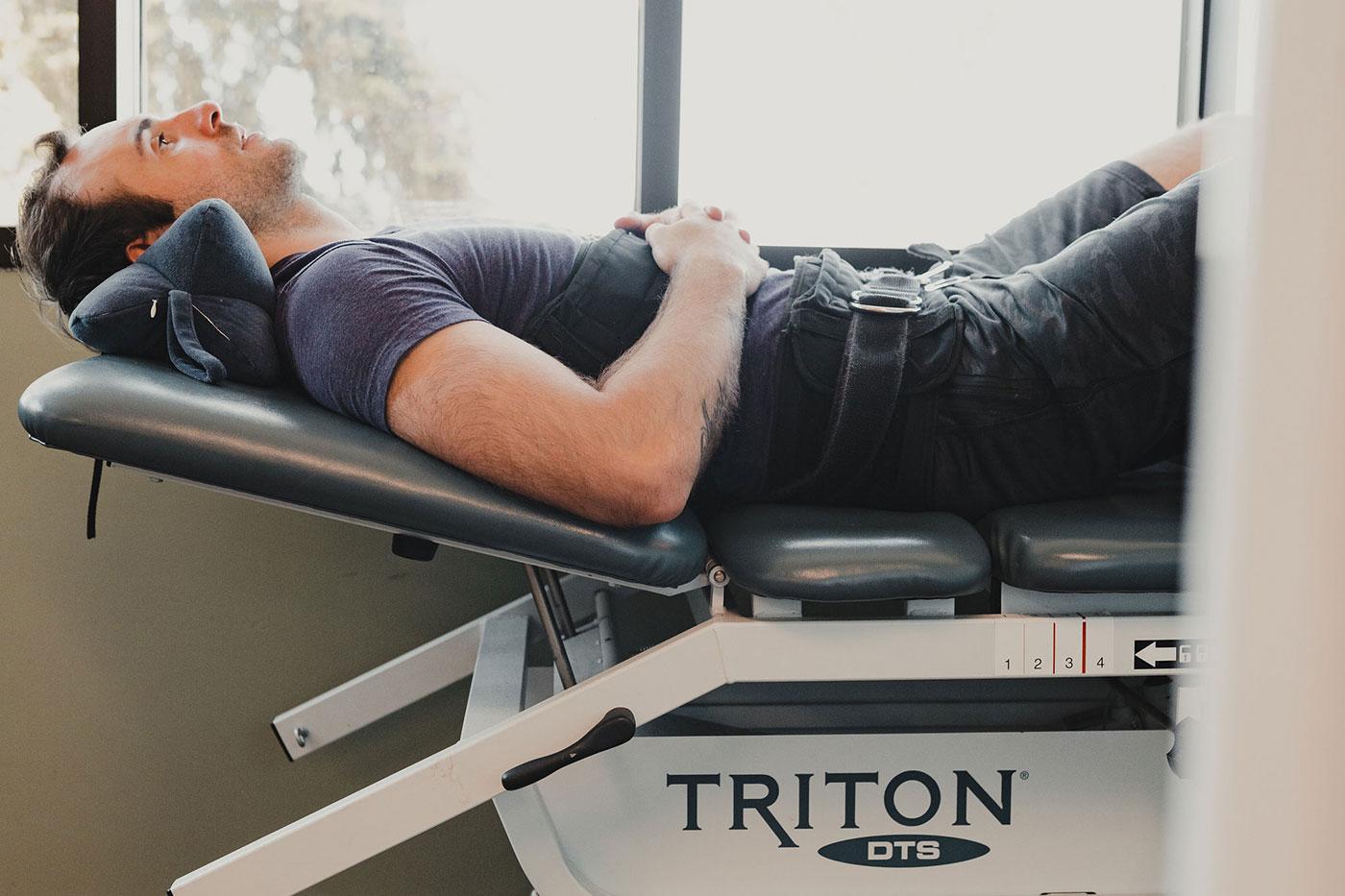
Nonsurgical spinal decompression is a treatment that uses a motorized device to gently stretch the spine to reduce back pain. It is performed on a specialized table, with the lower half of the table moving while the upper half remains stationary. A harness is placed around the hips and another around the torso. A healthcare provider operates the table with a computer, customizing the treatment to your specific needs and monitoring your comfort throughout the process. The pace and angle of the stretching can be adjusted for each session, giving providers flexibility to respond to your progress.
The process aims to reduce pressure within the spinal discs. This controlled movement and stretching of the spine is intended to help reposition herniated or bulging disc material, which sometimes presses on nerves and leads to pain. Creating a lower-pressure environment in the disc may also help draw nutrients and oxygen into the disc. This supports the body’s natural healing processes and may improve the disc’s health over time.
How Does It Work for Sciatica?
Sciatica often results from a compressed or irritated sciatic nerve. Common causes include a herniated disc or spinal stenosis, which narrows the spaces within the spine. Spinal decompression addresses this pressure by stretching the spine to increase the space between the vertebrae. This is intended to relieve the compression on the sciatic nerve that is causing the pain. Some patients find this method ideal since it does not require incisions or anesthesia.
During a session, the gentle pulling force creates a vacuum effect on the discs. For a bulging or herniated disc, this may help pull the disc material back into its proper place, away from the nerve. This reduces irritation and gives the nerve space to begin healing or reduce inflammation. The treatment is slow, allowing the spine to adjust gradually without causing muscle spasms.
What Are the Benefits of Decompression for Sciatica?
A key benefit of nonsurgical spinal decompression is that it is a non-invasive treatment option, which appeals to people looking to minimize downtime or risk. For those who want to avoid surgery, this approach offers an alternative option. The procedure is generally comfortable, involving gentle, controlled stretching rather than forceful manipulation. It also targets the source of sciatica pain. By alleviating pressure on the sciatic nerve, the treatment aims to provide a foundation for lasting relief. Some find that incorporating spinal decompression with other treatments, like physical therapy and exercise, supports their recovery goals.
Get Sciatica Treatment Today
Living with sciatica pain affects your daily activities, and understanding your treatment options is the first step toward finding relief. Chronic discomfort or sudden flare-ups may make work, exercise, and rest more challenging. Nonsurgical spinal decompression offers a method for addressing the root causes of sciatic nerve pain while supporting your goal to stay active and mobile. Contact a back and spine institute today to learn more about treatment options.