
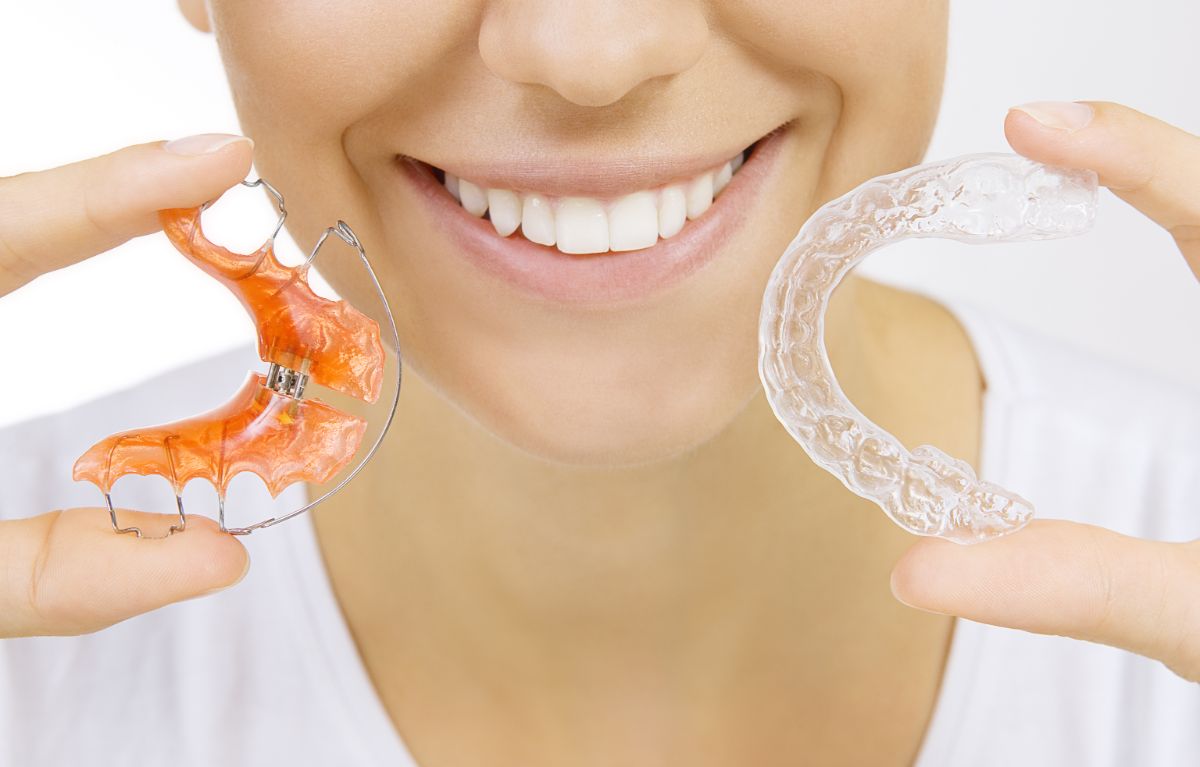
Invisalign is a modern approach to orthodontics, using clear aligners to fix dental issues. These clear plastic trays gradually move teeth into better positions, so they correct crowding or spacing issues effectively. The main difference in this method is that it is more discreet and completely removable. Here is more information about Invisalign clear aligners and how they work:
Understanding Treatment Mechanics
Invisalign plastic trays can move teeth in structured and planned ways to achieve a final result of a straighter smile. The trays are made of a proprietary material to apply controlled force to specific teeth; this constant pressure causes the tooth to move over time. When they perform your evaluation, the orthodontist maps out the stages of desired movement digitally before fabrication of the trays.
The technology relies on a series of custom-made trays. You wear one set for about two weeks, and then you switch to the next set in the series. As you progress through the aligners, your teeth shift closer to their final position.
Identifying Ideal Candidates
Not every orthodontic case suits clear aligners. Patients with mild to moderate misalignment see the best results. If you have severe jaw discrepancies, traditional braces might be necessary. The technology has advanced, but limitations still exist for complex bites. Your orthodontist can discuss your options with you and determine if you are a good candidate for clear aligners.
Compliance is one determining factor in the success of the treatment. You must wear the trays for 20 to 22 hours daily, or the teeth will not move correctly. Teenagers can use this system if they are responsible enough to wear the aligners. Removable aligners may also be lost if not looked after, so this is also a factor in deciding if you are a good candidate for aligners.
Correcting Dental Issues
Clear aligners can help resolve more than just cosmetic issues. Crowded teeth make flossing difficult, and this may lead to gum disease. Invisalign addresses these alignment troubles because it can expand the arch or moderately rotate teeth.
Gaps between teeth also pose a significant risk to gum health. Food gets stuck in these spaces, so bacteria grow rapidly. When the aligners apply pressure, they may close some of these gaps.
Bite issues can also be improved with treatment. An overbite occurs when the upper teeth overlap the lower teeth too much. Aligners can correct this relationship, or they can fix underbites where the lower teeth protrude.
Reviewing Treatment Benefits
Oral hygiene is easier with removable trays, and you can take them out whenever you need to brush and floss. Metal braces are more prone to trapping food particles, but aligners allow for a normal cleaning routine. There are also no dietary restrictions with Invisalign clear aligners, because the wearer removes the trays during meals.
Comfort is another major advantage of this system. Traditional wires poke the soft tissue, and brackets may cause sores. The smooth plastic does not irritate the cheeks or gums. Patients appreciate this feature because it reduces the need for using or carrying wax.
Learn More About Invisalign
Clear aligners are one way to achieve a healthier and straighter smile without metal brackets. The process relies on the patient wearing the aligners most of the day, and they should attend follow-up appointments to receive new trays as required. If you want to learn more about how Invisalign straightens teeth, consult a provider near you.