
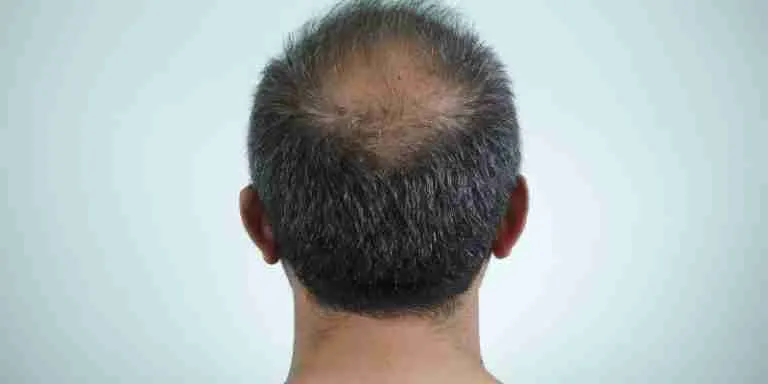
Hair loss affects many people for various reasons, and it presents itself in several ways, from gradual thinning to sudden patches. While it can be a source of concern, understanding the available management strategies provides a path forward. Taking steps to address this condition begins with gathering information about its causes and the options available for different situations. Here are some tips and strategies for hair loss:
Determine Hair Loss Type
The first step in management is identifying the type of hair loss. You might notice thinning hair, or you may see a receding hairline. Your hair pattern helps a professional diagnose the specific condition, because different types have distinct characteristics. A correct diagnosis will guide any subsequent steps you take.
Some types of hair loss include:
- Androgenetic alopecia
- Alopecia areata
- Telogen effluvium
- Anagen effluvium
- Lichen Planopilaris
Explore Hormones and Topicals
Hormonal treatments and topical solutions are non-surgical approaches. Certain medications work by interacting with hormones linked to hair loss, but they may have side effects. A professional can discuss if these are suitable for your situation. You can find some topical products over the counter; these are applied directly to the scalp.
These treatments often require consistent, long-term application to maintain results. Minoxidil is a standard topical that does not need a prescription, and it is available in foam or liquid form. Finasteride is an oral prescription medication for men that decreases a hormone, which is a factor in male pattern baldness.
Ask About Surgical Procedures
For some individuals, surgical procedures offer another path. Follicular unit transplantation (FUT) is one surgical method. During this procedure, a surgeon removes a strip of scalp, typically from the back of the head, because hair in this area is often resistant to balding. Technicians then separate the strip into individual follicular units for transplantation.
Another option is follicular unit extraction (FUE). FUE involves extracting individual follicular units directly from the scalp. This method avoids the linear scar associated with FUT, but it does create tiny dot scars that are often less noticeable. A specialist can help you understand the details of each procedure, including recovery time and what to expect during the process.
The choice between FUT and FUE depends on several factors. A patient’s hair type, the extent of hair loss, and personal preference play a role in the decision. Both procedures involve transplanting your own hair follicles to thinning areas, and the goal is to create a fuller appearance.
Avoid Overseas Transplants
Traveling abroad for a hair transplant may seem like a good idea. Clinics in other countries might advertise their services, but these facilities may not follow the same medical standards. When you receive a procedure in another country, you might have limited options for follow-up care or legal recourse if issues arise. Language barriers may also complicate communication with the medical team.
Address Hair Loss Today
By addressing this condition and learning about your specific condition, you can investigate management options with a clear understanding. There are various non-surgical and surgical avenues to explore, and a qualified professional can provide personalized guidance. Speaking with a specialist is a productive next step. Schedule a consultation to discuss your situation and learn about the approaches that align with your needs.