
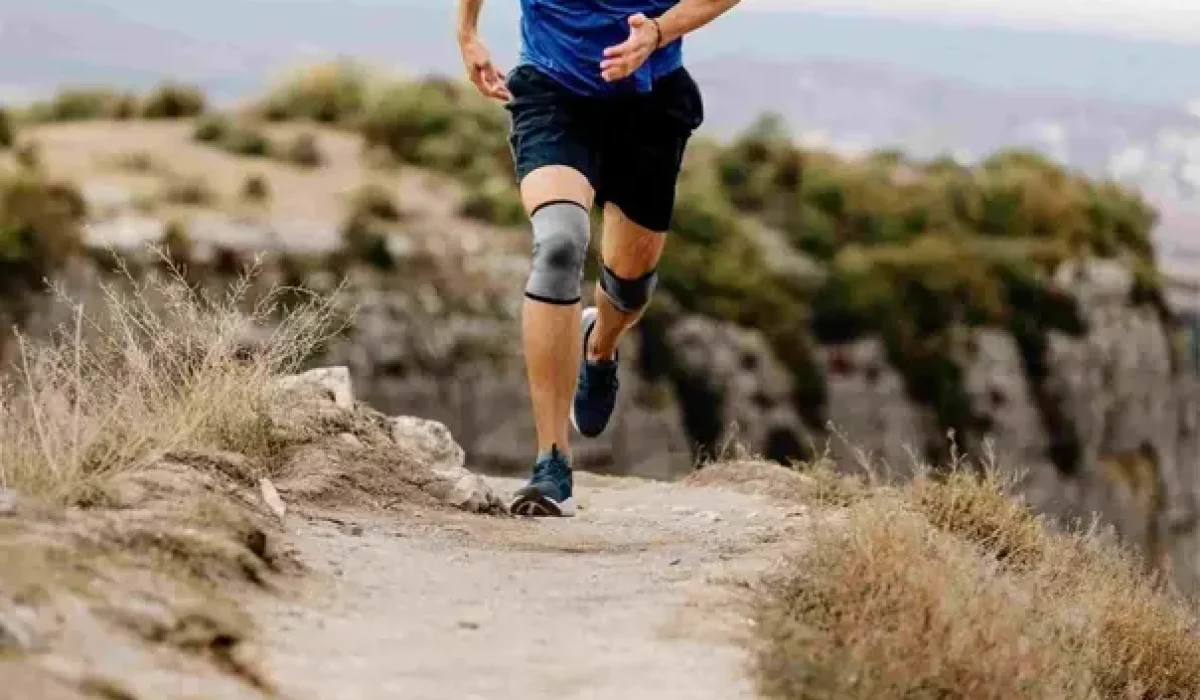
Dealing with sports injuries is frustrating because you want to get back to your activities quickly. Understanding the recovery process is a helpful first step, and it supports your journey back to full strength. It is beneficial to know the phases of healing. Knowing what to expect helps you manage your recovery more effectively.
The Acute Phase
The first phase of healing begins right after an injury. This stage is called the acute phase. Your body starts its natural repair process, so you will notice swelling and pain. Proper care during this phase lays the foundation for recovery. Rest the injured area. Applying ice helps manage swelling. Simple treatments make a noticeable difference. During this period, some interventions are helpful. Athletic taping or bracing provides support. These tools stabilize the injured joint or muscle. Your doctor may suggest non-steroidal anti-inflammatory medications. These help reduce pain and inflammation. Follow professional medical advice for the best outcome.
The Sub-Acute Phase
After the initial swelling subsides, you enter the sub-acute phase. This phase often lasts for several weeks. The main goal is to regain motion and start rebuilding strength. Gentle movement is encouraged during this time, but avoid activities that cause pain. Gradual progression supports recovery. Physical therapy is often introduced during this stage. A therapist guides you through specific exercises for sports injuries. These movements help restore function safely. Use heat before exercise to warm up muscles; apply ice afterward to reduce soreness. This structured approach helps prevent re-injury while your body heals.
The Remodeling Phase
The final stage of recovery is the remodeling phase. This phase often lasts for months. Your body strengthens the new tissue. The goal is to return to your sport safely. Gradually increase the intensity of your activities. Listen to your body; it shows when you are ready for more. In this phase, your physical therapy often becomes more sport-specific. Custom orthotics may be recommended for foot or ankle issues. They provide long-term support and correct biomechanics. For persistent inflammation, a doctor may discuss injections. These treatments support your return to activities with confidence and strength.
Incorporating a comprehensive home exercise program can significantly enhance your recovery. These exercises are tailored to target weak areas and build endurance specific to your sport. Consistency with these routines is key to maintaining progress and preventing reinjury. At this stage, recovery means gradual changes. Proper nutrition and hydration fuel your body as you progress. Exercise is recommended to help your body heal. Paying attention to these elements aids healing. Remember, recovery is a process, and with patience and persistence, you are working toward long-term health and success in your activities.
Treat Your Sports Injuries Now
Navigating the recovery timeline requires patience and proper care. Each phase has its own focus and set of supportive treatments. By understanding these stages, you play an active role in your healing process. For personalized guidance on your injury, consult with a healthcare professional. They create a treatment plan tailored for you. Recovery is a journey, and you will achieve the best outcomes when you follow your plan.