
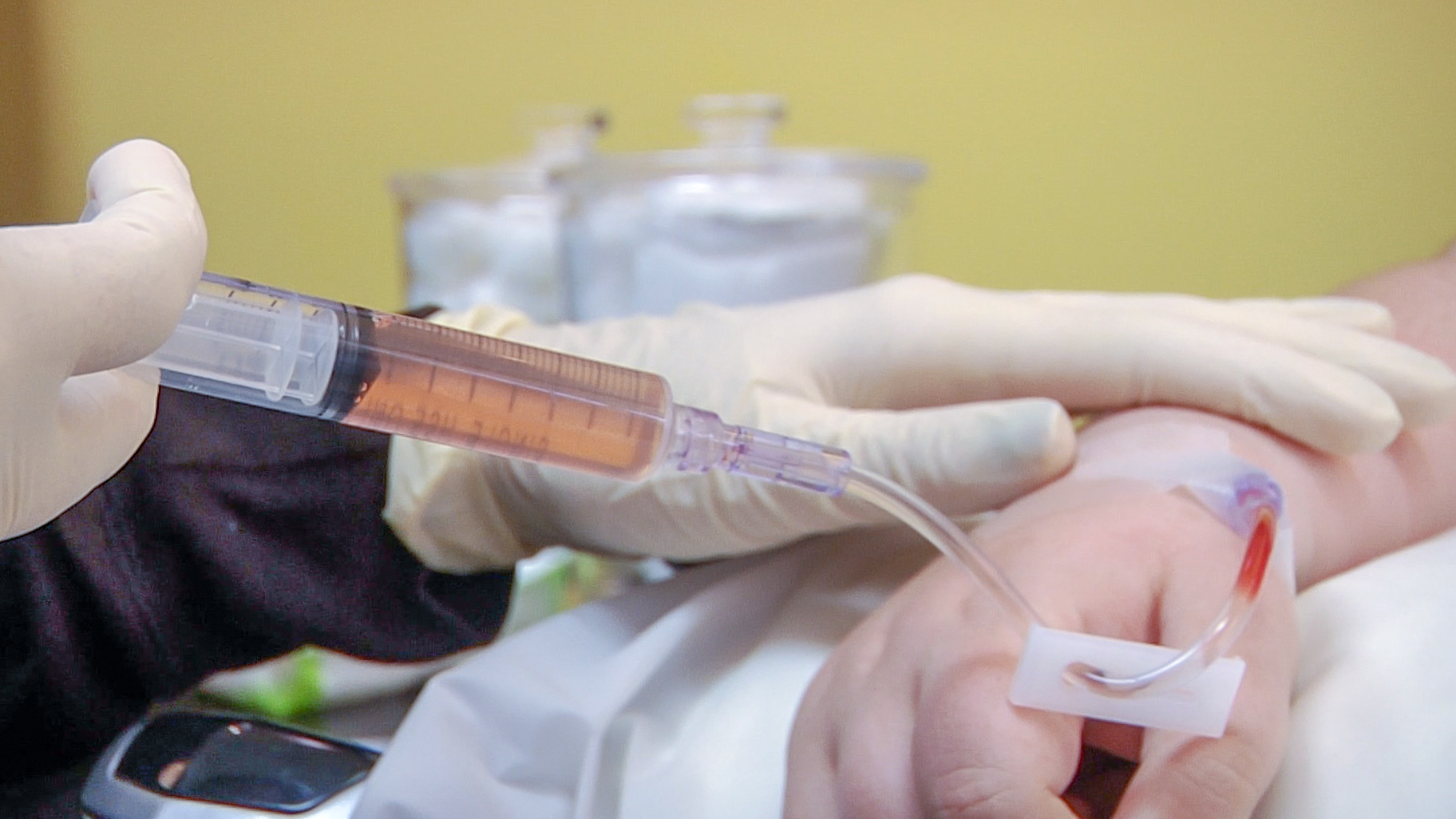
Regenerative medicine is a field focused on repairing, replacing, or restoring damaged tissues and organs. While it encompasses various approaches, one area of investigation involves the use of stem cells for chronic foot and ankle conditions. These cells can develop into many different cell types in the body, offering therapeutic potential. Here is more information about using stem cells for treating chronic conditions:
Promoting Tissue Repair
Stem cells are studied for their potential to differentiate. When introduced to a site of injury, these cells may respond to local signaling cues and develop into specialized cells that form cartilage and bone. Targeted differentiation is a key mechanism, and it may help repair tissues damaged by chronic degenerative diseases.
Body fat and bone marrow are sources of these cells, which are isolated and expanded in a laboratory setting before use. The delivery method is typically direct injection into the affected area, a technique that concentrates the cells where they are needed. Podiatrists may monitor the integration and function of new cells using imaging to gauge tissue integration.
The process of tissue regeneration is complex. Stem cells may also release growth factors that encourage the body’s own repair mechanisms, creating a more favorable environment for healing. This effect supports the surrounding tissues, so it contributes to the overall therapeutic goal of restoring structure and function.
Reducing Inflammation
Chronic foot and ankle conditions may involve persistent inflammation, which contributes to tissue damage and symptoms like pain. Specific stem cells have immunomodulatory properties that may help manage this inflammatory response. After administration, these cells can secrete molecules that interact with immune cells, altering their activity to reduce inflammatory signals.
By controlling inflammatory pathways, stem cells might protect tissues from further damage. Methods for monitoring this effect include measuring levels of specific inflammatory markers in the blood. The goal is to change the tissue environment from pro-inflammatory to anti-inflammatory, which helps facilitate repair. Key mechanisms include:
- Secretion of anti-inflammatory cytokines
- Inhibition of T-cell proliferation
- Promotion of regulatory immune cells
Improving Quality of Life
For individuals with chronic conditions, pain and limited mobility can diminish their daily quality of life. Regenerative medicine approaches using stem cells may have the potential to address these functional impairments. Improvements are measured through patient-reported outcome questionnaires and functional tests.
The goal is to enhance a person’s ability to perform daily activities. By potentially reducing inflammation, stem cell therapies might lead to decreased pain and improved joint or organ function. These changes are tracked over time, providing data on the effects of the treatment on a person’s overall well-being.
Accelerating Healing
The body has natural healing processes, but they can be slow or incomplete in the context of chronic injury or degeneration. Stem cell therapies can help augment and accelerate these native repair systems. When a doctor introduces them into the body, stem cells release a variety of bioactive molecules that can recruit the body’s own cells to the site of injury. This approach aims to create a more robust and efficient healing response than the body might achieve on its own.
Schedule Regenerative Medicine Treatment
Research into stem cells and their applications in regenerative medicine continues to evolve. These treatments are used for their potential to address the underlying causes of tissue damage in chronic conditions. If you would like to learn more about these therapies and determine if a regenerative approach is suitable for your specific medical situation, schedule a consultation with a podiatrist.