
Vaccines are a tool used to help prepare your immune system to recognize and fight certain diseases. When planning to travel, especially to different countries, you may encounter illnesses that are unique to the region. Getting vaccinated before your trip is one way to prepare for potential health risks you may face abroad, supporting a smoother and more protected journey. Here is how to protect yourself during travel with vaccines:
Measles and Mumps
Measles and mumps are viral diseases that spread through the air via droplets. You may already have protection from routine childhood immunizations. The MMR (measles, mumps, and rubella) vaccine is a standard part of the immunization schedule. Before you travel, review your vaccination records. If you are uncertain about your vaccination history or have not received the MMR vaccine, consult a healthcare provider who can advise you on the necessary steps to take.
Hepatitis A and B
Hepatitis A and B are liver infections caused by different viruses. Hepatitis A may spread through contaminated food or water, while hepatitis B is transmitted through contact with infected blood or other body fluids. Your travel destination might increase your exposure risk to these viruses, so understanding how they spread helps you take appropriate precautions. A medical professional can help you determine if these vaccinations are right for your travel plans.
Travel Vaccines for Specific Regions
Doctors may recommend certain vaccines for entry into specific countries where particular diseases are prevalent. While some vaccines are part of routine immunization schedules, your healthcare provider may recommend additional vaccines based on your travel plans. They might recommend vaccines for diseases such as cholera, encephalitis, or rabies. This depends on the regions you plan to visit and the activities you will engage in.
Consulting with a healthcare provider helps identify vaccinations tailored to protect you from specific health risks that may be present abroad. Depending on your destination, you may need additional vaccinations. This may include illnesses such as:
- Yellow fever
- Typhoid
- Rabies
Some nations require a yellow fever vaccination for entry, such as countries in sub-Saharan Africa and tropical South America. Typhoid is a risk in areas with poor sanitation, and rabies is a concern in many parts of the world where animal control is limited. Researching your destination’s specific health risks and entry requirements well in advance gives you sufficient time to obtain any necessary vaccinations.
COVID and Flu
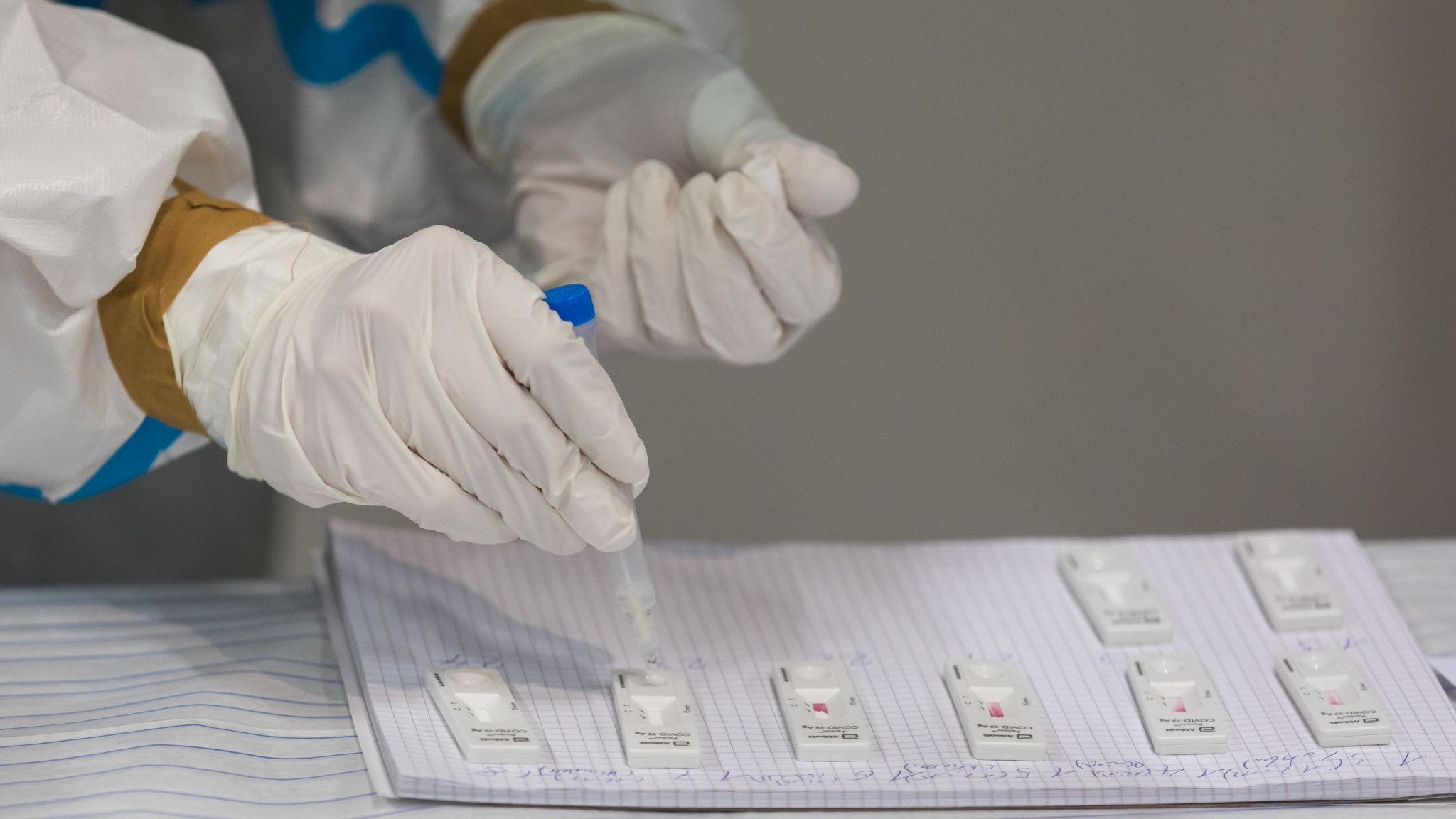
Respiratory viruses, such as influenza (the flu) and COVID-19, continue to circulate globally. Both the flu and COVID-19 have vaccines available that are updated to protect against current strains. Getting vaccinated helps prepare your body for potential exposure during your travels. This is especially true in crowded settings, such as airports and public transportation. Staying up to date with these vaccinations is a simple measure to add to your pre-travel checklist.
Schedule a Visit for Vaccines
Planning is key to managing your travel health preparations. During a consultation, you can discuss your itinerary, planned activities, and personal health history to create a suitable vaccination plan. Taking this step allows you to complete any vaccine series and lets the vaccines take full effect before you leave. Schedule a travel health consultation with a clinic today to discuss your vaccination needs and receive personalized guidance.