
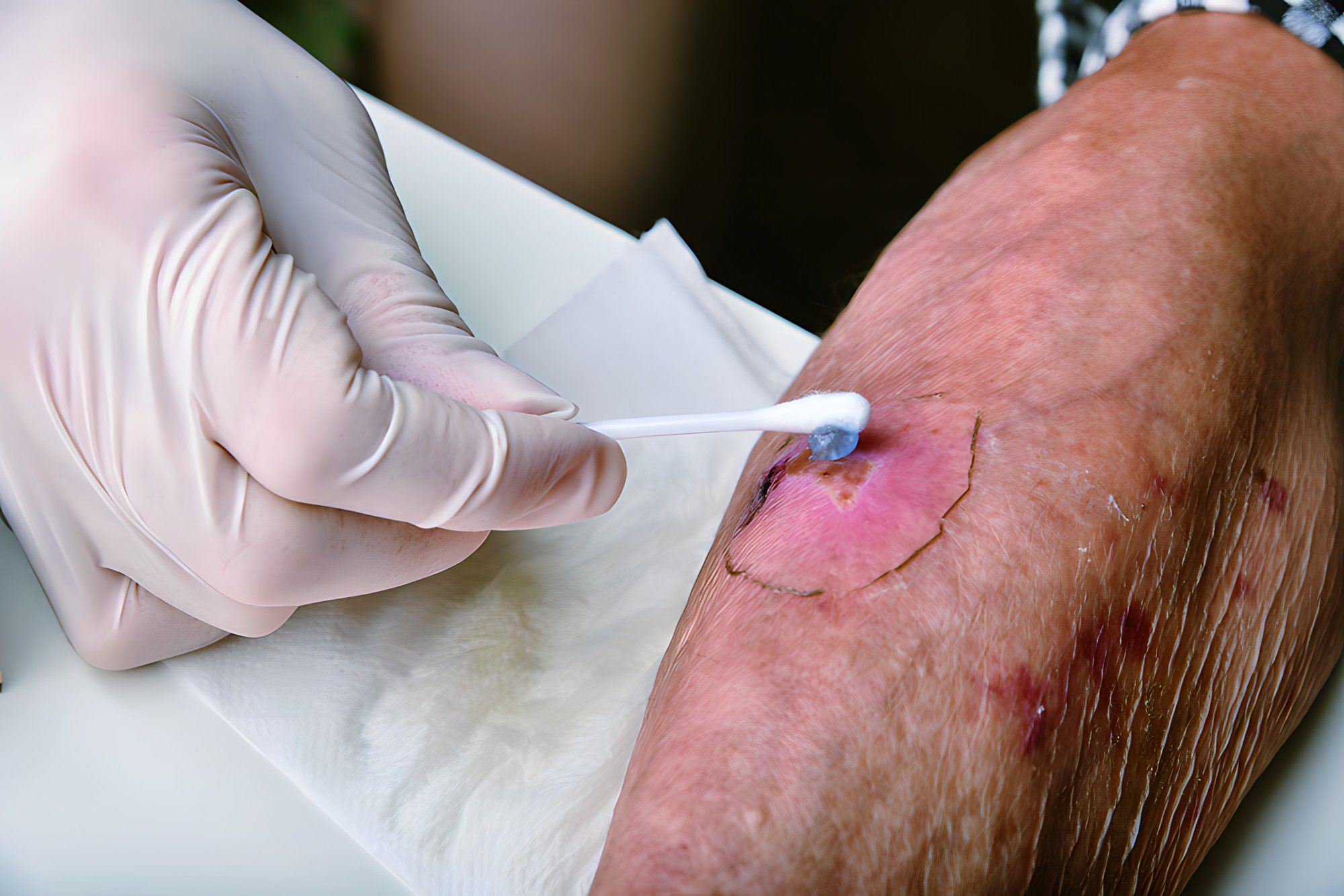
Proper wound care is key to preventing infection, promoting faster healing, and reducing the risk of complications. Whether dealing with minor cuts or serious injuries, understanding the five fundamental rules of wound management provides a clear framework for effective treatment. By following these guidelines, individuals can support the body’s natural healing process and promote better outcomes for immediate and long-term recovery. Here are the rules of wound care:
1. Keep the Wound Clean
Clean wounds heal faster and face fewer complications. Start by washing your hands thoroughly with warm water and antibacterial soap before touching any wound. This prevents transferring bacteria from your hands to the injured area.
Gently rinse the wound with clean water to remove dirt, debris, and bacteria. Avoid using hydrogen peroxide or alcohol directly on the wound, as these can damage healthy tissue and slow healing. Cold water works well for initial cleaning without causing further pain. Pat the area dry with a clean, sterile cloth or gauze pad. Avoid rubbing the wound, which may cause further tissue damage and bleeding.
2. Control Bleeding Safely
Most wounds will bleed initially, and controlling this bleeding is the next key step in wound care. Apply gentle, steady pressure directly over the wound using a clean cloth or sterile gauze. Maintain this pressure for several minutes until bleeding stops. If blood soaks through the first bandage, place another layer on top rather than removing the original covering. Removing the initial dressing can disturb clot formation and restart bleeding. Elevate the injured area above heart level when possible to reduce swelling.
3. Protect the Wound
Appropriate wound dressing creates a barrier against bacteria and keeps the healing environment moist. Apply a thin layer of antibiotic ointment to help prevent infection and keep the wound from drying out. Cover the wound with sterile gauze or an appropriate adhesive bandage. The dressing should cover the wound completely while allowing some air circulation. Change dressings daily or when they become wet or dirty.
4. Monitor for Signs of Infection
Watching for infection signs helps you catch problems early when treatment is most effective. Check the wound daily as part of wound care for changes in appearance, smell, or sensation. Red streaks extending from the wound, increased swelling, warmth, or pus indicate possible infection.
Watch for fever, increased pain that doesn’t improve with time, or a foul odor coming from the wound. Contact a healthcare provider immediately if you notice any of these warning signs. Early treatment of wound infections prevents serious complications and promotes better healing outcomes.
5. Support Healing With Healthy Habits
Your overall health directly affects how quickly wounds heal. Eating nutritious foods provides your body with the vitamins and minerals needed for tissue repair. Protein helps build new tissue, while vitamin C supports collagen production.
Stay hydrated by drinking plenty of water throughout the day. Proper hydration helps maintain blood flow to the wound site and supports cellular repair processes. Get adequate rest and avoid smoking. Smoking reduces oxygen delivery to healing tissues. Protect the wound from further injury by avoiding activities that could reopen or damage the healing area.
Schedule Your Wound Care Appointment
Following these five fundamental rules of wound care promotes proper healing and reduces complications. Some wounds require professional medical attention for optimal treatment and recovery. Professional wound care becomes necessary for deep cuts, wounds that won’t stop bleeding, injuries showing signs of infection, or cuts that don’t heal properly within a reasonable timeframe. Contact a trusted provider near you today to schedule your wound care appointment.