
Your knees endure stress every day, supporting your weight while allowing you to walk, run, and jump. This heavy workload makes them vulnerable to various injuries, ranging from minor sprains to severe ligament damage, like an anterior cruciate ligament (ACL) tear. When conservative treatments don’t resolve persistent knee pain or instability, surgical intervention is often recommended next. Here is information on how knee arthroscopy surgery helps restore function and mobility, and what recovery is like:
Getting Surgery
Medical professionals use advanced techniques to diagnose and treat joint problems with minimal disruption to surrounding tissues. A knee arthroscopy is a minimally invasive surgical procedure that allows doctors to view the knee joint without making a large incision. Doctors recommend arthroscopy if you have a painful condition that does not respond to non-surgical treatment.
During a knee arthroscopy, a surgeon inserts a small camera, called an arthroscope, into your knee joint. The camera displays images on a video monitor, and the surgeon uses these images to guide miniature surgical instruments. Because the arthroscope and surgical instruments are thin, the surgeon can use very small incisions rather than the larger incisions needed for open surgery. This approach generally results in less pain and joint stiffness for patients, and it often shortens the time required for recovery.
Some common reasons to get this surgery include:
- Torn Meniscus
- Torn Surface Cartilage
- Damaged Articular Cartilage Pieces
Surgery is also used to reconstruct the ACL and to remove loose bone or cartilage fragments. Patients suffering from inflamed synovial tissue or problems with the kneecap (patella) may also find relief through this targeted surgical approach.
Strengthening Your Knee
The success of your surgery depends heavily on what happens after you leave the operating room. Active participation in your rehabilitation program is imperative for recovery. Your recovery plan will usually begin immediately after your arthroscopy procedure.
What Is Recovery After Surgery Like?
You will likely feel tired for a few days, and your knee will need to be elevated and iced to reduce swelling. You may need crutches or a brace to protect the joint while it heals. Most patients can return to light activity within a few weeks, but driving is usually restricted until you can comfortably bend your knee and react quickly. Pain management is a key component during this initial phase, and your doctor will provide a plan to keep you comfortable while minimizing reliance on medication.
What Is Physical Therapy For?
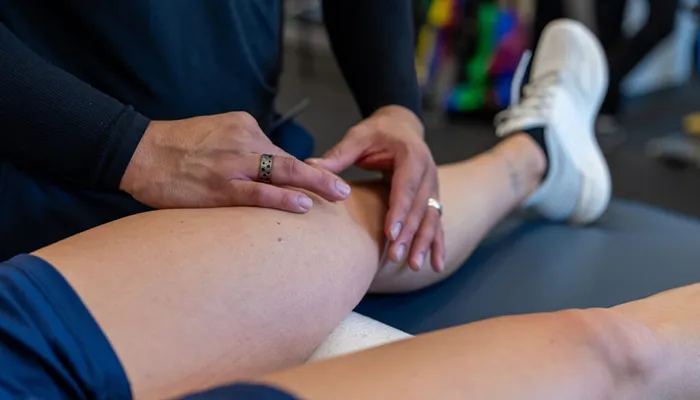
Physical therapy is fundamental for restoring your knee’s strength and range of motion. A therapist will guide you through exercises to strengthen the muscles surrounding your knee, particularly the quadriceps and hamstrings. These muscles act as shock absorbers and stabilizers for the joint. The therapy regimen starts with gentle movements and gradually increases in intensity as you heal. Neglecting these exercises may lead to stiffness and long-term weakness, so following the prescribed routine is key to regaining function.
Healing Times
The timeline for knee arthroscopy surgery recovery varies depending on the specific procedure performed and the patient’s overall health. Simple procedures often allow patients to return to most activities within 6 to 8 weeks. More complex surgeries, such as ligament reconstruction, commonly require a longer healing period. Complete recovery from major reconstruction can take several months to a year. As you recover, don’t return to high-impact activities until your knee has fully healed to decrease your risk of re-injury.
Learn More About Knee Arthroscopy
If you are experiencing persistent knee pain or have suffered an injury, contact an orthopedic specialist for a condition consultation. They can evaluate you and determine if arthroscopy is the right treatment for you. Early intervention can prevent further damage and help you return to your active lifestyle sooner. Schedule an appointment today.