
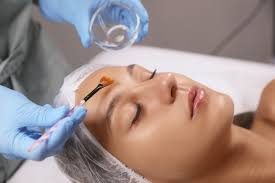
Skin cancer specialists are trained to remove cancerous tissue while aiming to preserve healthy skin. After the procedure, your focus will shift to recovery. Knowing what to expect during this period helps you prepare for the healing process and manage your aftercare effectively. Here is what to expect after a skin cancer procedure:
Mild Pain and Swelling
Following a skin cancer procedure, including Mohs surgery, you may experience some level of pain and swelling around the treated area. The intensity of this discomfort may vary depending on the size and location of the surgical site. You might notice redness and bruising, which are typical parts of the body’s natural healing response.
Applying a cold pack or ice wrapped in a thin towel to the area for short periods, may help reduce swelling. Keeping the affected area elevated, if possible, also helps minimize fluid buildup. If the surgery was on your face, propping your head up with extra pillows while you sleep can be helpful.
Appropriate Wound Care
Proper wound care is a key component of recovery. A skin cancer specialist may provide specific instructions tailored to your procedure, and following them closely supports the healing process. These instructions will detail how and when to clean the surgical site and apply any prescribed ointments.
Keeping the wound clean and moist with a protective dressing is often recommended. This typically involves the following steps:
- Gently clean the area with a mild soap and water solution or a solution specified by your doctor.
- Apply a thin layer of petroleum jelly or an antibiotic ointment to prevent the wound from drying out and scabbing.
- Cover the site with a non-stick bandage or the dressing type recommended by your care team.
You will receive guidance on how frequently to change the dressing. Avoid activities that may stretch or put tension on the wound, such as heavy lifting or strenuous exercise, until your doctor gives you clearance. Protecting the healing skin from sun exposure is also necessary to prevent discoloration and promote better scar formation.
Adequate Rest
Allowing your body enough time to rest is another part of a smooth recovery. Surgery, even a minor one, places demands on your body as it directs energy toward healing the wound. You may feel more tired than usual for a few days following the procedure. Listening to your body and getting plenty of sleep is beneficial. Plan to take some time off from your regular work and daily activities, especially those that are physically demanding. The amount of rest needed will depend on the extent of your surgery and your overall health.
Various Medications
Your doctor may suggest or prescribe medications to manage pain and prevent infection. Over-the-counter pain relievers like acetaminophen are often sufficient for managing mild discomfort. For more extensive procedures, a stronger pain medication might be prescribed for short-term use. It is best to take these medications as directed to stay ahead of any pain.
Find Skin Cancer Specialists
The recovery period after a skin cancer procedure is a gradual process. Each person’s healing timeline is unique, and staying in communication with your healthcare provider is part of the journey. They can address any questions that arise and monitor your progress through follow-up appointments. If you are seeking guidance on skin cancer treatment and recovery, specialists can provide support. Contact a surgeon to schedule a consultation with a skin cancer specialist.