
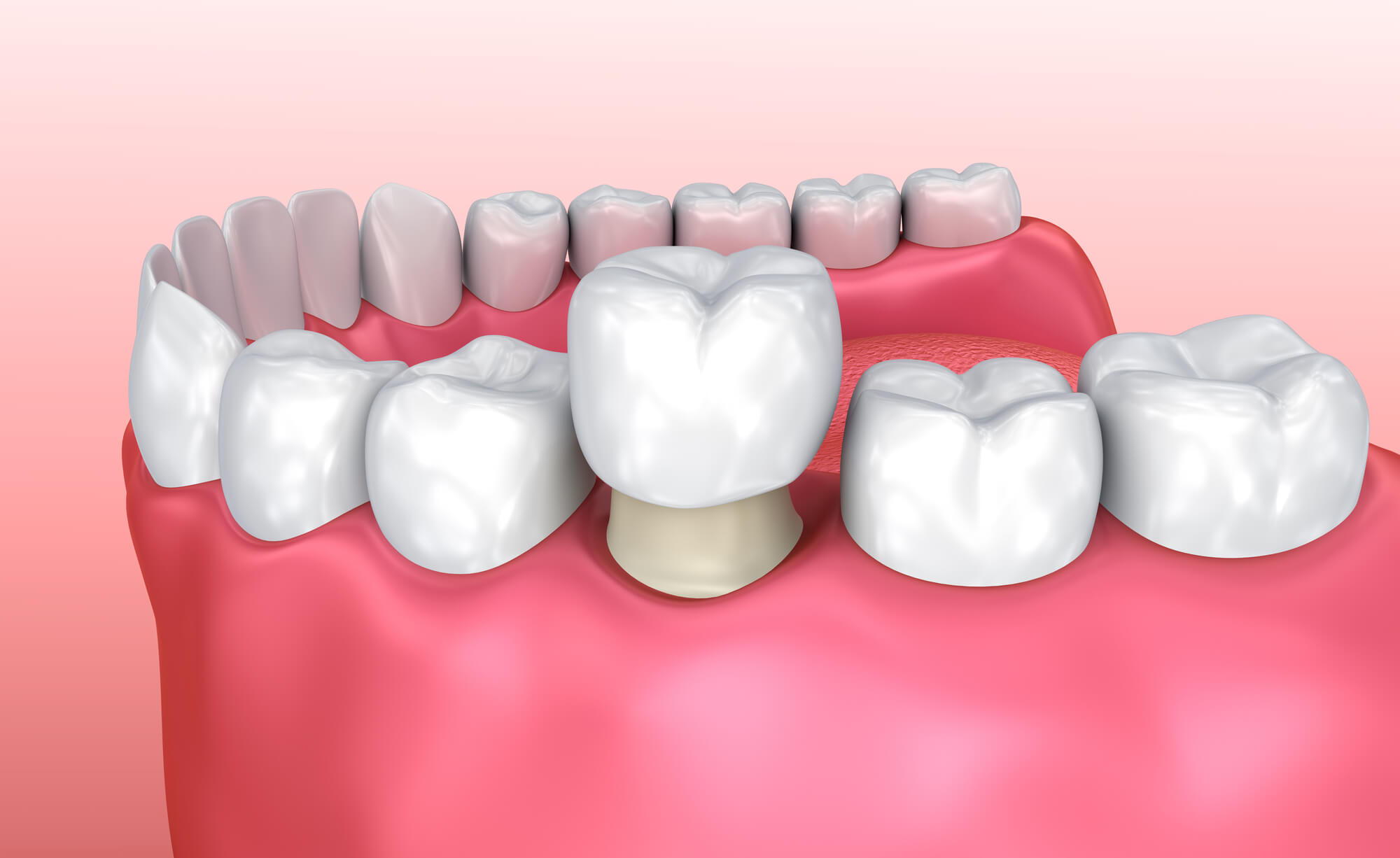
A dental crown restores the shape, size, strength, and appearance of a damaged tooth. This common restorative procedure typically requires two visits to the dentist over a few weeks. Understanding the steps involved helps you feel ready for the appointments. This guide outlines the specific phases of receiving dental crowns and how to maintain them afterward.
How Is the Tooth Prepared?
During the first visit, the dentist examines and reshapes the tooth to prepare it for the crown. X-rays are taken to check the roots and surrounding bone, and the area is numbed to prevent discomfort. The dentist then files down the tooth on the chewing surface and sides to create space for the crown. After reshaping, an impression is made using putty or a digital scanner to capture an exact model of the tooth and surrounding area.
Once the impression is sent to the lab to create the permanent crown, the dentist places a temporary crown made of acrylic or composite material. This temporary crown protects the prepared tooth and allows you to function normally while waiting for the permanent one. Typically, the temporary restoration is worn for two to three weeks until the final crown is ready.
What Happens During Placement?
You return for the second visit once the permanent crown arrives from the laboratory. The dentist begins by removing the temporary crown and cleaning the underlying tooth structure. They inspect the tooth to verify it remained healthy while covered. This step prepares the surface for the final bonding process.
The dentist then places the new crown over the prepared tooth to check the fit and color. They look closely at how the crown sits against the gum line and touches adjacent teeth. You will bite down so the dentist can check the alignment with your opposing teeth. Any necessary adjustments happen at this stage to establish a comfortable bite.
Once the fit is correct, the dentist permanently cements the crown in place. They apply a special dental adhesive to the inside of the crown and press it firmly onto the tooth. A curing light might harden the cement quickly, depending on the type of adhesive used. The dentist removes any excess cement from around the gum line to finish the procedure.
What Care Is Needed After?
Protecting your new restoration requires consistent oral hygiene habits and mindful eating. Treating dental crowns with the same care as natural teeth extends their lifespan significantly. Proper maintenance prevents decay from forming at the edge of the crown where it meets the tooth.
- Brush twice a day: Use a soft-bristled toothbrush to clean the crown and surrounding gum tissue thoroughly without causing irritation.
- Floss daily: Cleaning between teeth removes plaque and food particles that get trapped where a toothbrush cannot reach.
- Avoid hard foods: Chewing on ice, hard candy, or other solid objects can chip or crack the porcelain material of the crown.
- Wear a night guard: Grinding your teeth at night puts excessive pressure on the crown, so a guard offers necessary protection.
Regular dental visits allow the dentist to monitor the condition of the crown over time. They check for any signs of wear, looseness, or damage during these routine exams. Professional cleanings also remove tartar buildup that daily brushing misses. Keeping these appointments supports the long-term success of the restoration.
Prepare for Dental Crowns
Getting a dental crown is a practical way to restore both the strength and look of a damaged tooth. By understanding the steps from preparation to final placement, you can feel more confident about the process. Reach out today to ask any questions and schedule your initial consultation. Taking this proactive step will help protect your smile and support your long-term dental health.