
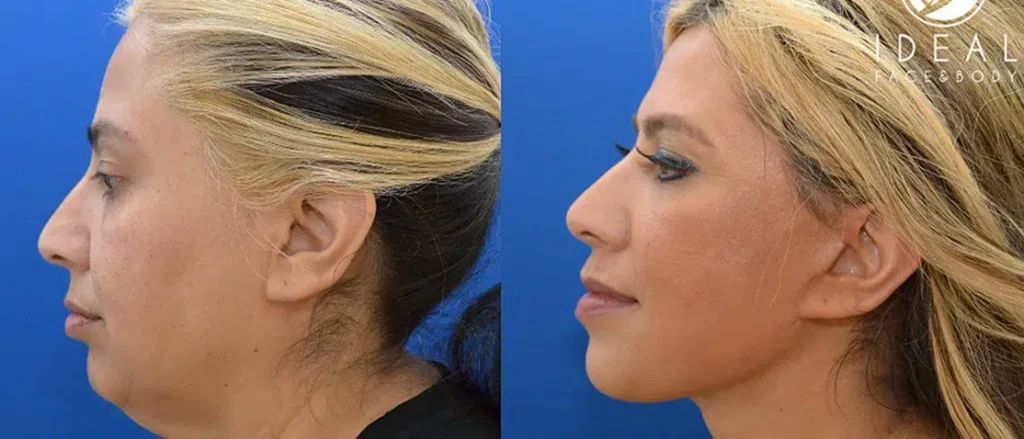
Cosmetic surgery encompasses a range of procedures designed to alter or enhance a person’s physical appearance for aesthetic purposes. These elective surgeries can be performed on nearly any part of the body, including the face. A commonly recognized procedure in facial cosmetic surgery is the facelift, which addresses visible signs of aging in the face and neck. Here’s information on facelift surgeries and their benefits:
Basics of a Facelift
A facelift, medically known as a rhytidectomy, is a surgical procedure designed to improve the visible signs of aging in the face and neck. The surgery involves repositioning and tightening underlying facial muscles and tissues, while removing excess skin to create a smoother, more youthful contour. It is a procedure sought by individuals who wish to address the effects of gravity, sun exposure, and daily stress on their facial appearance.
Facelifts are typically recommended for individuals over the age of 45, as they are primarily used to restore the effects of aging. Ideal candidates for a facelift are generally healthy individuals who do not have any medical conditions that could impair their healing process. A rhytidectomy can help restore a more rested and youthful appearance by targeting specific concerns.
Some signs of aging that this procedure addresses include:
- Loose Skin
- Deep Lower Eyelid Creases
- Sagging in the Mid-face Region
- Nasolabial Folds
- Displaced Facial Fat
- Loss of Muscle Tone
Process of a Facelift
A facelift procedure is typically performed under general anesthesia or intravenous sedation. The process begins with the surgeon making incisions, which are strategically placed to be as inconspicuous as possible once healed. The location and length of these incisions depend on the specific technique being used and the patient’s desired outcome.
Techniques Used for Facelifts
Once the surgeon makes the incisions, they carefully separate the skin from the underlying connective tissues and muscles. This allows them to reposition and tighten the deeper layers of the face. During repositioning, the surgeon can sculpt and redistribute excess fat while lifting underlying muscles to create a more youthful position. Once the facial structures are contoured, the skin is reset. Any excess skin is carefully removed as the skin is repositioned. Incisions are then closed with sutures or skin adhesives.
Types of Facelifts
The type of facelift performed depends on each individual’s facial structure and the extent of correction desired. Some standard lift options are:
- Traditional Lift: This is a comprehensive procedure that addresses significant aging around the mid-face and neck. Incisions typically begin in the hairline at the temples, continue around the ear, and end in the lower scalp.
- Limited-Incision Lift: Often called a “mini-facelift,” this technique involves shorter incisions at the temples and around the ear. It is for patients with less skin sagging, as the results are more subtle and focused on the lower face and jawline.
- Deep Plane Lift: This advanced technique focuses on repositioning the deeper facial tissues for a more natural and long-lasting result. It is effective in addressing significant sagging in the mid-face, jawline, and neck, offering comprehensive and harmonious results.
Benefits of a Facelift
The primary benefit of a rhytidectomy is facial rejuvenation, resulting in a lifted, more youthful appearance. By addressing sagging skin, deep wrinkles, and jowls, the procedure provides structural improvements that are more dramatic and long-lasting than those offered by non-invasive treatments. Different surgical techniques are available to target specific areas of concern.
While a facelift does not stop the aging process, its results can be long-lasting. The procedure effectively turns back the clock on facial aging by repositioning the foundational structures of the face. Maintaining a healthy lifestyle and protecting the skin from sun exposure can help preserve the results for many years.
Schedule an Appointment Today
A professional can evaluate your individual needs, discuss your aesthetic goals, and determine if you are a suitable candidate. With proper planning and open communication with your surgeon, you can achieve your cosmetic goals. Contact a cosmetic surgeon for a consultation and discover more benefits today.