
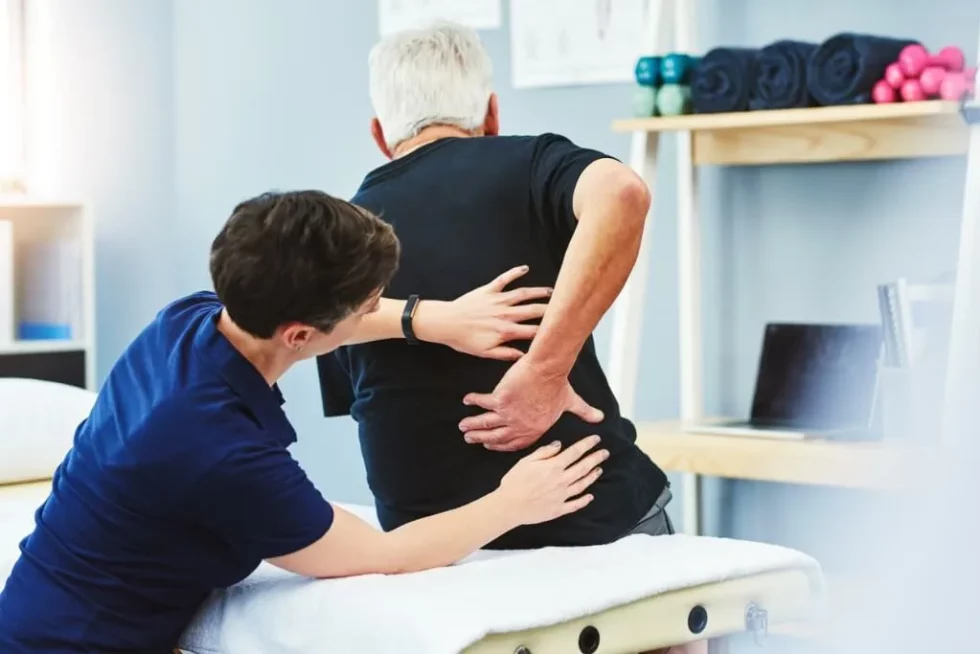
When you experience a sudden musculoskeletal injury, knowing where to go for help makes a significant difference. Immediate care centers are equipped to handle a variety of non-life-threatening orthopedic issues, offering a convenient alternative to the emergency room. These facilities provide timely evaluation and treatment for injuries that require prompt attention but are not severe enough to warrant a hospital visit. Here are some types of injuries that urgent care providers treat to help you make an informed decision:
1. Bone Fractures
Urgent care facilities are prepared to diagnose and manage certain types of bone fractures. While a provider will refer you to a specialist if the break is complex or requires surgery, they can manage simple, closed fractures on-site. The facility will typically have X-ray technology for diagnosis, and the medical team can stabilize the injury with a splint or cast.
2. Sprains and Strains
Sprains and strains are soft tissue injuries affecting ligaments and muscles. Urgent care is an appropriate setting for evaluating these injuries, especially when you experience pain, swelling, and difficulty moving the affected area. A provider can conduct a physical examination in order to determine the severity of the injury.
They can differentiate between a mild sprain and something more severe, so receiving a proper diagnosis is the first step. For moderate injuries, a provider may immobilize the joint with a brace, and they might recommend specific stretches or exercises. You will receive instructions for at-home care.
Following the initial evaluation, the urgent care team will provide a clear plan for managing your symptoms at home. They may give you guidance on rest and activity modification, which helps the healing process. Following these instructions carefully can aid your recovery.
3. Joint Dislocations
A joint dislocation occurs when the bones of a joint are forced out of their normal position, requiring immediate care. Urgent care providers can treat uncomplicated dislocations, particularly in smaller joints like fingers and toes, because these typically do not require deep sedation. The provider might perform a procedure called a reduction to gently guide the bones back into place.
After the reduction, they may immobilize the joint to allow the surrounding tissues to heal. Pain management and anti-inflammatory medications may be provided to help with discomfort and swelling. Follow-up care with a physician or specialist is fundamental for proper healing and preventing complications.
4. Overuse Injuries
Repetitive motions from work, sports, or daily activities may lead to overuse injuries such as tendonitis or bursitis, and these injuries can cause pain and limit movement. These conditions develop over time, but the pain can become acute, prompting a visit to an urgent care center. A provider can diagnose the condition based on your symptoms and a physical exam. Treatment typically involves recommendations for rest, ice, and anti-inflammatory medications to help you manage the discomfort.
Find Immediate Care Today
Navigating orthopedic injuries requires prompt and appropriate medical attention. Urgent care centers provide a valuable resource for treating musculoskeletal problems, and they may be the first point of contact. If you are experiencing a non-life-threatening orthopedic injury, find an immediate care center near you today for an evaluation.
- What Is the Difference Between an Orthopedist and an Orthopedic Surgeon?
- What Does an Orthopedic Traumatologist Do? Complete Guide
- What Is the Pathology of the Skin? A Complete Guide
- What Is Dermatology Practical and Conceptual? Everything You Need to Know
- How Can I Find Dermatologos Cerca de Mi Ubicación? Complete Guide