
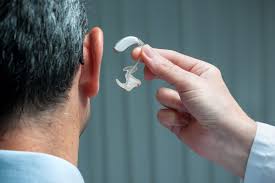
Hearing aids are small electronic devices designed to amplify sound for individuals with hearing difficulties. People often begin exploring hearing solutions when they notice changes in their ability to communicate effectively in everyday situations, such as struggling to follow conversations in noisy rooms or frequently asking others to repeat themselves. Selecting an appropriate device involves understanding one’s own hearing profile, lifestyle needs, and the various technologies available.
Who Needs Hearing Aids?
Recognizing the signs of hearing challenges is the first step toward seeking assistance. These signs can manifest differently across various settings. At home, an individual might find it necessary to increase the television or radio volume to a level that others find too loud. They may also miss sounds like a doorbell or a ringing phone.
The suitability of hearing aids for any individual is determined through a professional assessment. An ear specialist or an audiologist conducts a series of tests to evaluate a person’s hearing abilities. Based on these results, they can determine whether a hearing aid would be a beneficial tool and recommend a path forward.
What Are the Different Types?
Hearing aids are available in several styles. each offering different features related to placement, visibility, and handling. Technology and design vary among manufacturers, with companies offering a range of models. Prominent types include:
- Completely-in-Canal (CIC) and Mini-CIC: These styles fit inside the ear canal, making them a smaller option available. Their discreet placement is a primary appeal.
- In-the-Ear (ITE): The larger size of ITE hearing aids makes them easier to handle and allows for more features. They are some of the more visible aids.
- Behind-the-Ear (BTE): These aids rest behind the ear, and sound travels through a thin, clear tube to an earpiece fitted inside the ear canal. BTE models are robust, easy to handle, and accommodate a wide spectrum of hearing needs.
How Do You Choose?
Selecting a hearing aid is a personal process that balances several factors. Lifestyle is a primary consideration. A person with an active social life or a job that requires communication in noisy environments may benefit from different features than someone who lives a quieter life at home. Dexterity and handling also play a role. Smaller, in-the-canal devices require steady hands for placement and battery changes, while larger BTE models are generally easier to manage.
Cosmetic preferences may influence choices, with some individuals prioritizing discretion. Modern hearing aids can come with a variety of features, including rechargeable batteries and advanced noise reduction. Aligning these features with your daily activities helps identify the most suitable technology. Professional fitting and support are also a large part of the process, as an audiologist can program the device to your specific hearing profile and provide guidance on use and care. Ongoing support helps with adaptation and long-term satisfaction.
Consult an Ear Specialist
The next logical step is to obtain a professional hearing assessment. This evaluation provides a clear picture of your auditory health and is the foundation for any recommendations. An audiologist can explain your results, demonstrate different hearing aid styles, and answer your questions.
- What Is the Difference Between an Orthopedist and an Orthopedic Surgeon?
- What Does an Orthopedic Traumatologist Do? Complete Guide
- What Is the Pathology of the Skin? A Complete Guide
- What Is Dermatology Practical and Conceptual? Everything You Need to Know
- How Can I Find Dermatologos Cerca de Mi Ubicación? Complete Guide