
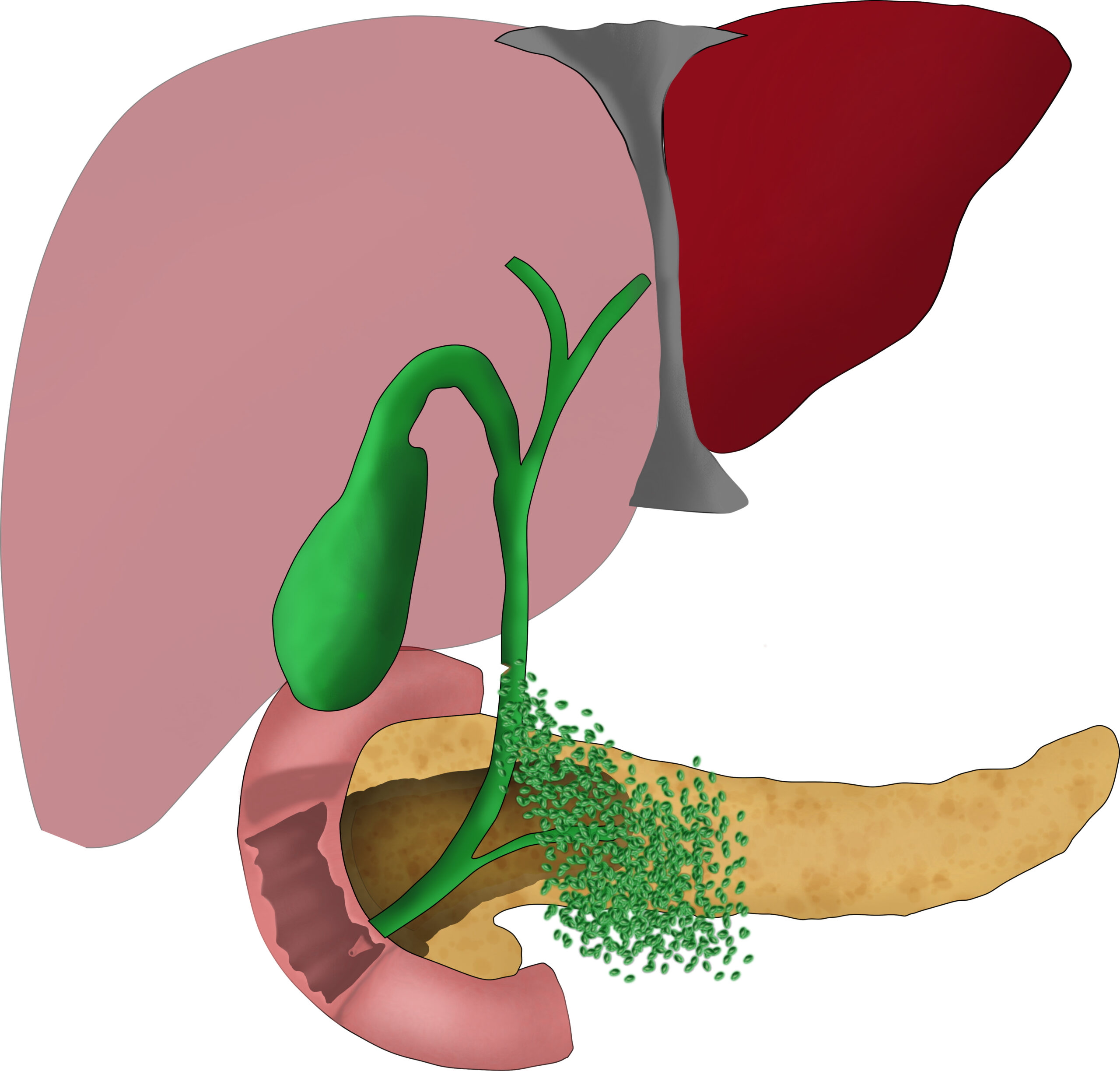
Gallbladder disease is often accompanied by mild discomfort in the beginning, but it can intensify quickly if left unaddressed. Symptoms sometimes escalate, making daily activities uncomfortable and challenging. Consulting a gallbladder specialist enables access to diagnostic assessments that clarify the condition and guide potential next steps for treatment. Here are a few of the factors involved when addressing gallbladder concerns with a specialist:
Gallbladder Disease
Gallbladder disease occurs when the gallbladder becomes inflamed, sometimes accompanied by the formation of small, hard deposits called gallstones. These stones develop from bile, a digestive fluid, and can vary in size from a speck to a golf ball. Small gallstones may not cause noticeable symptoms, but multiple or larger stones can lead to discomfort and digestive issues. If untreated, gallstones may become lodged in nearby ducts, resulting in more intense symptoms.
- Nausea
- Vomiting
- Pain in the upper right abdomen
- Pain between the shoulder blades
- Pain below the breastbone
Medical evaluation by a gallbladder specialist is recommended if symptoms escalate. Yellowing of the skin, high fever, or chills are signs that require prompt attention. Persistent abdominal pain that interferes with daily activities also indicates the need for professional care.
Potential Causes
Gallbladder disease often involves gallstones, which may form when bile contains high levels of cholesterol or bilirubin. Bilirubin is a chemical your body uses to break down red blood cells, and elevated levels can be associated with liver conditions or biliary tract issues. These changes in bile composition can contribute to gallstone formation over time.
Several factors can increase the likelihood of gallbladder disease. Diets high in fat and low in fiber, family history, and certain hereditary traits may contribute to its development. Being overweight or experiencing rapid weight changes can also elevate risk, and additional factors such as liver disease or certain blood disorders may influence gallbladder function.
Treatment Options
Gallbladder disease occurs when the gallbladder becomes inflamed or develops gallstones, which can vary in size and cause different levels of discomfort. Diagnostic imaging, such as an ultrasound, helps confirm the presence of gallstones and guide treatment planning. Medications may be used in some cases to dissolve gallstones over time, though surgical removal is often the most common approach for recurring or symptomatic stones.
- Ultrasound examination to detect gallstones
- Medication to dissolve gallstones when appropriate
- Laparoscopic or surgical gallbladder removal for persistent or recurring issues
Surgical removal redirects bile from the liver directly to the small intestine, supporting digestion without the gallbladder. Patients typically receive detailed guidance on what to expect before and after the procedure, including recovery. Consulting a gallbladder specialist can help determine the most suitable treatment path for each individual.
Schedule with a Gallbladder Specialist
A gallbladder specialist can provide guidance for managing related issues, explaining diagnostic options, potential treatment approaches, and possible outcomes. Early attention to symptoms may help prevent complications from developing. Treatment plans often combine medical evaluation with lifestyle factors to support overall digestive and overall health. Schedule a consultation to review your condition and explore the best next steps.
- What Is the Difference Between an Orthopedist and an Orthopedic Surgeon?
- What Does an Orthopedic Traumatologist Do? Complete Guide
- What Is the Pathology of the Skin? A Complete Guide
- What Is Dermatology Practical and Conceptual? Everything You Need to Know
- How Can I Find Dermatologos Cerca de Mi Ubicación? Complete Guide