
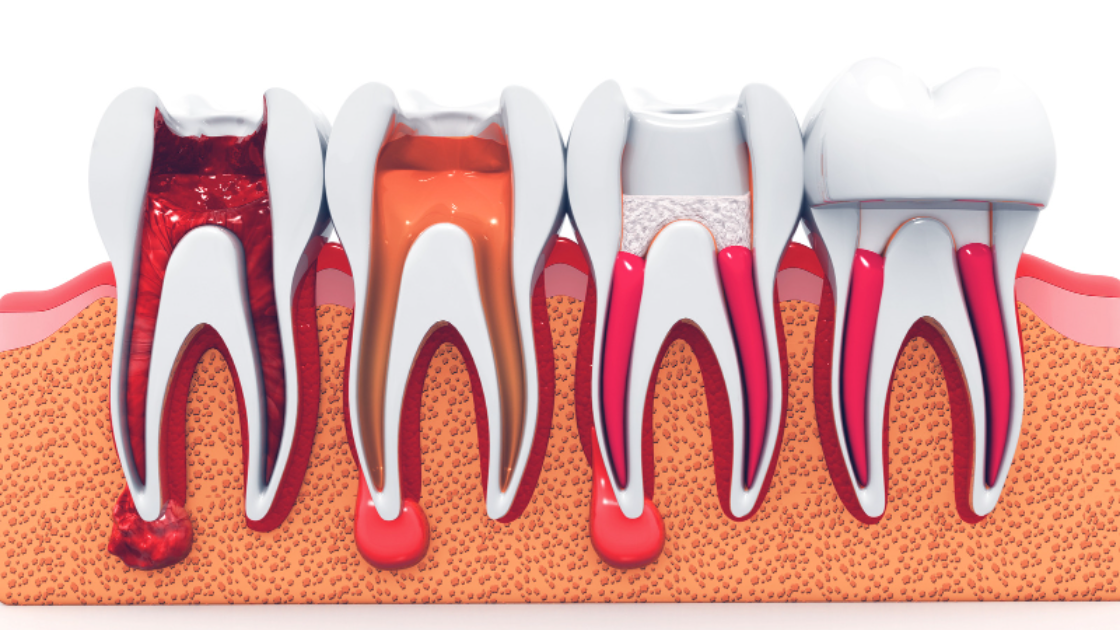
A root canal is a dental procedure that addresses issues within the soft pulp of a tooth. When this pulp becomes inflamed or infected, a orhtodontist removes it, cleans the inside of the tooth, and then fills and seals the space. The procedure is designed to save a natural tooth that might otherwise require extraction. Here is more information on emergency root canals:
When Pain Is Severe
Intense, persistent tooth pain may signal a problem that requires immediate dental attention. You may experience sensitivity to hot or cold temperatures, and the pain might radiate to your jaw, ear, or head. This discomfort may interfere with daily activities, such as eating and sleeping, indicating an underlying issue that requires evaluation. It may manifest in these ways:
- Sharp, throbbing pain localized to a specific tooth
- Persistent aching that spreads to the jaw or surrounding areas
- Intense sensitivity to hot, cold, or sweet foods and drinks
- Pain that worsens when biting or chewing
- Swelling or tenderness in the gums near the affected tooth
When an Abscess Forms
A dental abscess is a pocket of pus that forms near the root of a tooth. It can signify a serious infection. This infection occurs when bacteria invade the tooth’s pulp, sometimes through a cavity or crack. An abscess will not go away on its own; it requires professional treatment to drain the pus and address the source of the infection.
You might notice a bump on your gums, experience a bad taste in your mouth, or see swelling in your face or jaw. Because the infection is active, delaying treatment allows it to spread to the surrounding bone and tissue. Other symptoms include fever and swollen lymph nodes under your jaw.
An untreated abscess has the potential to lead to more widespread health complications. The bacteria from the infection may enter your blood, which presents a risk to other parts of your body. Seeking prompt dental care is the correct course of action when you suspect an abscess has formed.
When a Tooth Cracks
A cracked tooth can expose the inner pulp to bacteria, creating a direct path for infection. You might not see the crack, but you could feel pain when chewing or when the tooth is exposed to different temperatures. Not all cracked teeth will require a root canal. The need for treatment depends on the depth and location of the fracture.
When a Crown Falls Off
A dental crown is a cap that protects a damaged or weakened tooth, so a detached crown leaves the underlying tooth structure vulnerable. If the tooth beneath the crown has decay, bacteria may enter and infect the pulp. If your crown falls off, it is best to see a dentist promptly to have the tooth assessed and the crown reattached or replaced.
Get an Emergency Root Canal
Certain dental situations, such as severe pain, abscesses, or trauma, may require immediate attention. These symptoms are your body’s way of telling you that something is wrong inside your tooth. If you are experiencing a dental emergency, we are here to provide the care you need, so contact an orthodontist to schedule an appointment.
- What Is the Difference Between an Orthopedist and an Orthopedic Surgeon?
- What Does an Orthopedic Traumatologist Do? Complete Guide
- What Is the Pathology of the Skin? A Complete Guide
- What Is Dermatology Practical and Conceptual? Everything You Need to Know
- How Can I Find Dermatologos Cerca de Mi Ubicación? Complete Guide