
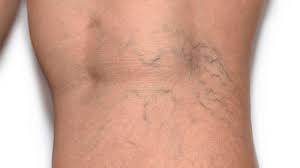
Spider veins, or telangiectasias, are small, damaged blood vessels visible on the skin’s surface. They often appear as thin red, blue, or purple lines that resemble spiderwebs or tree branches. These markings are common and can develop on the legs, face, and other parts of the body. While they are often a cosmetic concern, understanding their origins and available options can provide clarity for those who have them. Many people seek information to manage or address the appearance of these visible veins.
What Causes Spider Veins?
Spider veins form when tiny one-way valves inside small blood vessels weaken. Normally, these valves open to let blood flow toward the heart, then close to prevent it from flowing backward. When these valves become weak or damaged, blood can back up and pool in the veins. This accumulation of blood causes the veins to swell and become visible through the skin.
Several factors can contribute to the development of spider veins. Genetics plays a significant role; if your close family members have them, you are more likely to develop them too. Hormonal changes, such as those occurring during puberty, pregnancy, and menopause, also influence their formation. Prolonged periods of sitting or standing put extra pressure on leg veins, which can weaken the vessel walls and valves over time.
Other contributing elements include sun exposure, which may cause spider veins on the face, especially for individuals with fair skin. Obesity adds pressure to leg veins, increasing the likelihood of their appearance. Age is another factor, as the valves in the veins can naturally weaken over time.
What Are the Early Warning Signs?
Recognizing the initial signs can help you identify spider veins early. These warning signs are often subtle and may develop gradually. Paying attention to changes in your skin and physical sensations are helpful.
- Visible Lines: The most apparent sign is the appearance of thin red, blue, or purple lines on your skin. These often form in a web-like or branching pattern.
- Aching or Heaviness: You might experience a dull ache, a feeling of heaviness, or cramping in your legs, particularly after long periods of standing or sitting.
- Itching: Some people report itching or a burning sensation in the areas where they occur.
- Swelling: Mild swelling in the ankles or feet may occur, especially toward the end of the day.
These signs vary from person to person. They may be purely cosmetic for some, while for others, they might be accompanied by mild discomfort.
What Treatments Are Available?
If you decide to address spider veins, several professional procedures are available. A specialist can help you determine which approach is most suitable for your specific situation. The goal of these treatments is to close off or remove the damaged veins, redirecting blood flow to healthier ones.
- Sclerotherapy: This common procedure involves injecting a solution directly into the veins. The solution irritates the lining of the blood vessel, causing it to collapse and stick together. The blood then reroutes through healthier veins.
- Laser Treatment: Surface laser treatments use intense bursts of light directed into the vein. This process makes the vein slowly fade and disappear. No needles or incisions are used, making it a non-invasive option.
- Endovenous Laser Therapy (EVLT): A tiny laser fiber is inserted into a larger underlying vein that feeds the smaller spider veins. Laser energy is delivered, causing the vein wall to collapse and seal shut.
Each of these options has its own process and recovery profile. Discussing them with a qualified professional will help you understand what to expect from each procedure.
Consult a Specialist
Understanding the causes and treatments for spider veins can empower you to make informed decisions about your health. While these veins are often harmless, they may cause discomfort. If you are concerned about the appearance of spider veins or are experiencing symptoms, speaking with a specialist can provide clarity. A medical professional can offer a proper evaluation and discuss personalized treatment options with you. Consulting an expert is a proactive step toward addressing your concerns.
- What Is the Difference Between an Orthopedist and an Orthopedic Surgeon?
- What Does an Orthopedic Traumatologist Do? Complete Guide
- What Is the Pathology of the Skin? A Complete Guide
- What Is Dermatology Practical and Conceptual? Everything You Need to Know
- How Can I Find Dermatologos Cerca de Mi Ubicación? Complete Guide