
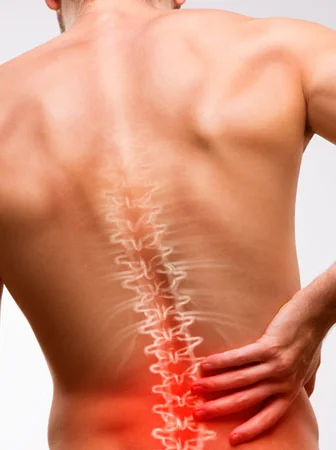
Spine pain often stems from conditions such as herniated discs, degenerative disc disease, or spinal stenosis. Symptoms can range from mild discomfort to severe limitations in movement, affecting daily activities. Treatments include physical therapy, medication, and minimally invasive procedures, tailored to address the specific cause and improve function. Here are a few common causes and treatments for spine pain:
Common Causes
Neck and spine pain can develop from a range of structural and degenerative issues. A herniated disc occurs when the inner portion of a spinal disc pushes through its outer layer, which may cause tingling, numbness, or pain. Spinal stenosis is the narrowing of spaces within the spine, which can put pressure on nerves and limit movement. Age, genetics, injuries, and general wear and tear also contribute to spine discomfort. Other factors that can contribute to neck and spine pain include:
- Sacroiliac joint dysfunction
- Degenerative disc disease
- Muscle strains
- Pinched nerves
- Arthritis
- Injuries
Accurately identifying the cause helps guide the development of appropriate management strategies. Physical exams, medical history reviews, and imaging tests, such as X-rays or MRIs, are commonly used. Treatment plans are adapted to each situation to reduce pain, improve function, and support long-term spine health.
Neck and Spine
An accurate diagnosis helps determine the appropriate treatment for neck and spine conditions. Many spinal issues share similar symptoms, so careful evaluation is needed to distinguish between them. Doctors perform a physical examination, review the patient’s medical history, and discuss symptom patterns to understand the condition and identify contributing factors.
Additional tests can clarify the diagnosis and assess severity. Imaging techniques, such as X-rays or MRI, can reveal structural concerns, while electromyography (EMG) and nerve conduction studies (NCS) evaluate nerve function and identify areas of nerve irritation. After a diagnosis, a treatment plan is developed to reduce pain, improve mobility, restore function, and support overall spine health.
Available Treatments
Treatment for neck and spine pain depends on the cause and severity of symptoms. Non-surgical approaches often include physical therapy, targeted exercises, and over-the-counter pain medications to manage discomfort. Ice or heat therapy can provide temporary relief, while therapeutic injections may address inflammation or nerve-related pain in specific areas. This can help with improved mobility and comfort over time.
When non-surgical approaches fail to provide relief, surgical options may be explored to address underlying structural issues. Specialists perform minimally invasive procedures to limit tissue disruption and support recovery, as well as traditional surgical techniques for more complex cases. The selection of treatment depends on the type of spinal condition, overall health, and recovery goals, helping restore movement, stability, and long-term comfort.
Finding Spine Pain Relief
Neck and spine pain can result from conditions such as herniated discs, spinal stenosis, or muscle strains, which can significantly impact daily comfort and mobility. For some, pain becomes chronic, affecting quality of life and routine activities. Specialists utilize advanced diagnostics to identify the underlying cause and recommend treatment options, ranging from physical therapy to minimally invasive procedures. Consult with a spine specialist today to discuss your symptoms and explore suitable treatment options.
- What Is the Difference Between an Orthopedist and an Orthopedic Surgeon?
- What Does an Orthopedic Traumatologist Do? Complete Guide
- What Is the Pathology of the Skin? A Complete Guide
- What Is Dermatology Practical and Conceptual? Everything You Need to Know
- How Can I Find Dermatologos Cerca de Mi Ubicación? Complete Guide