
Living with CRPS (Complex Regional Pain Syndrome) can be physically and emotionally challenging, often affecting daily activities and overall quality of life. While there is no single cure, effective coping strategies and access to the right support resources can make a significant difference in managing symptoms. Here are practical ways to cope with CRPS and improve your well-being:
Physical Symptom Management
Daily coping strategies can help manage physical symptoms of CRPS and improve function. Here are some of them:
- Medication Management: Work with a pain management specialist to find the right medications for your symptoms. Follow your doctor’s instructions carefully and report any side effects.
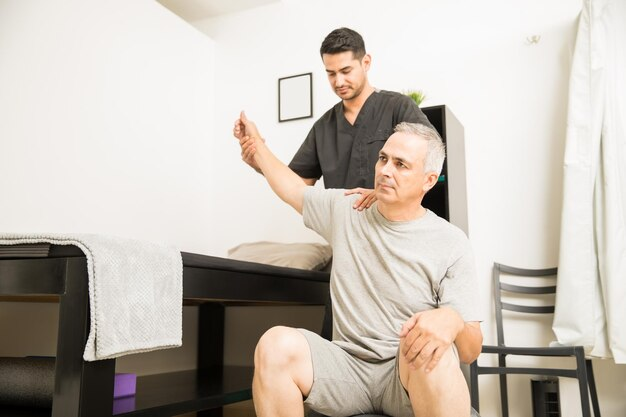
- Physical Therapy: Helps maintain your range of motion and reduce stiffness. A therapist can design exercises and gentle movements specific to your needs.
- Heat and Cold Therapy: Applying heat or cold to the affected area may provide relief. Experiment with both to see what works best for your symptoms.
- Gentle Movement: Staying active within your limits helps manage CRPS. Light activities such as walking or swimming help improve circulation and help prevent stiffness.
Consistency is key when managing physical symptoms. Try to use these strategies daily to maintain your progress. Always consult with a medical professional if your symptoms worsen or if you need further guidance.
Emotional and Mental Impact
Living with chronic pain affects mental health. Many people with CRPS often experience anxiety, depression, or frustration. A therapist or counselor can help you process difficult emotions related to chronic pain. Contemplate finding a mental health professional who has experience with chronic pain conditions.
Stress can worsen pain symptoms. Relaxation techniques like deep breathing or meditation may help reduce stress. Pain psychology focuses on the relationship between thoughts, emotions, and pain. A pain psychologist teaches strategies to manage the mental aspects of chronic pain. This approach complements medical treatment and provides tools for daily coping.
Supportive Community and Networks
Accessing community and support resources play a key role in managing chronic pain by providing emotional support, shared experiences, and helpful information. Here are key strategies to connect with these resources:
- Support Groups: Joining a local or online chronic pain support group can facilitate connections with others who understand your experiences.
- Healthcare Providers: Seek guidance from your healthcare team, as they can recommend support networks or specialized programs tailored to chronic pain management.
- Nonprofit Organizations: Many organizations focus on chronic pain and often host events, offer educational materials, and connect individuals with resources in their area.
- Online Communities: Participating in forums or social media groups dedicated to chronic pain offers a platform to exchange advice, ask questions, and discover new perspectives.
- Workshops and Classes: Look for workshops or wellness classes in your community, such as mindfulness training or gentle exercise sessions designed for individuals with chronic pain.
Exploring these options helps you build a network of support that enhances your ability to cope with chronic pain.
Sustainable Living With CRPS
Adjusting your lifestyle to accommodate CRPS helps you maintain independence and quality of life. Break tasks into smaller steps and take breaks as needed. This approach helps prevent symptom flare-ups and conserves energy. Assistive devices like braces, splints, or ergonomic tools reduce strain on affected areas. An occupational therapist can recommend tools specific to your needs.
Pain interferes with sleep, and poor sleep can worsen pain. Establish a regular sleep schedule and create a comfortable sleep environment. A balanced diet supports overall health and may help manage inflammation. Staying hydrated throughout the day is also fundamental.
Consult a CRPS Specialist Today
Living with complex regional pain syndrome requires a multi-faceted approach that addresses physical symptoms, emotional well-being, and lifestyle adjustments. Daily coping strategies and emotional support help manage symptoms. Contact a CRPS specialist near you to schedule your consultation today.
- What Is the Difference Between an Orthopedist and an Orthopedic Surgeon?
- What Does an Orthopedic Traumatologist Do? Complete Guide
- What Is the Pathology of the Skin? A Complete Guide
- What Is Dermatology Practical and Conceptual? Everything You Need to Know
- How Can I Find Dermatologos Cerca de Mi Ubicación? Complete Guide