
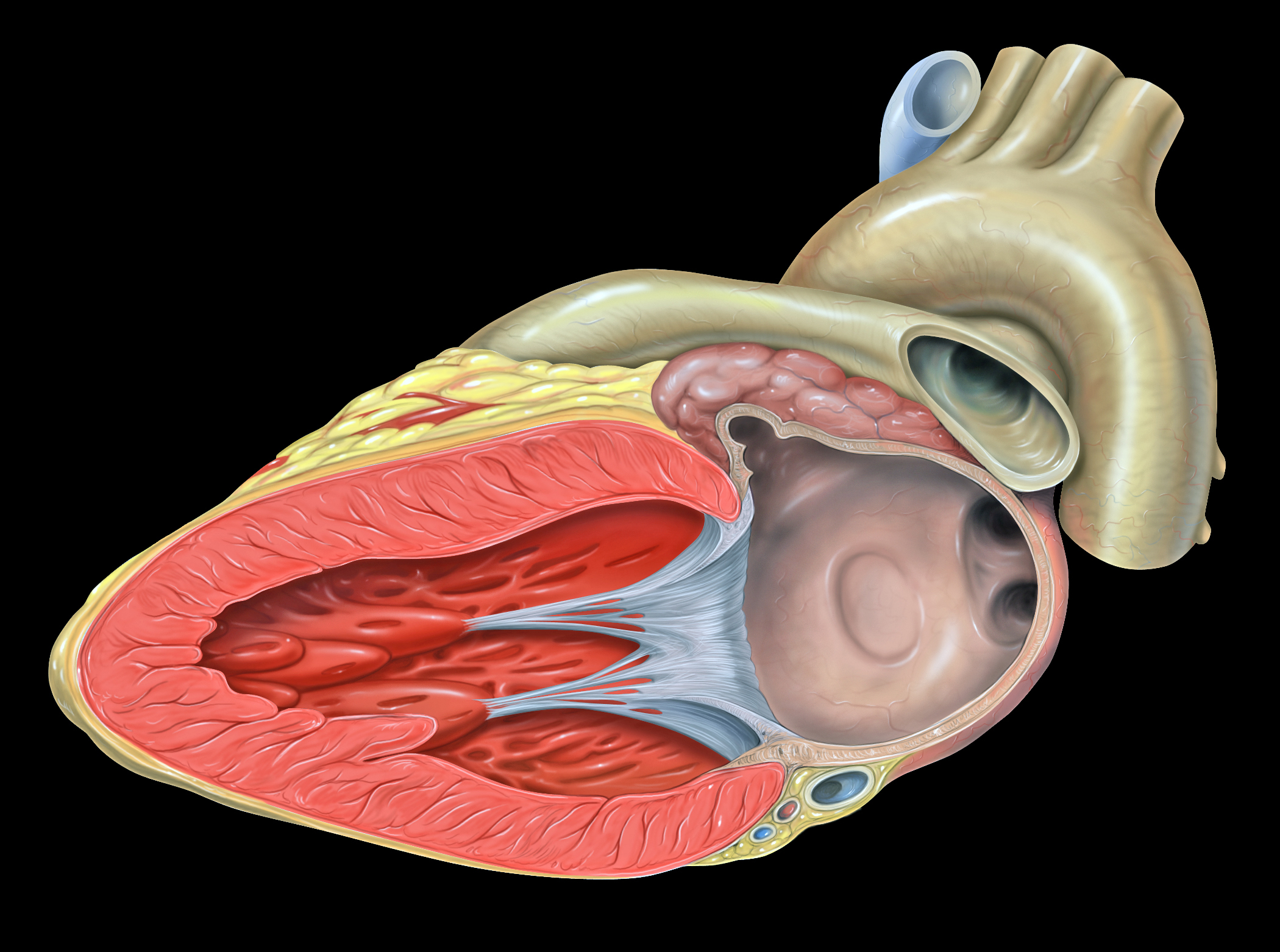
Cardiology is the medical specialty focused on diagnosing and treating conditions of the heart and blood vessels. Cardiologists are fundamental for evaluating the overall health and function of the heart and its related structures. A provider aims to detect abnormalities like irregular heart rhythms, structural defects, and signs of cardiovascular disease. Early detection through cardiac examinations is key to preventing complications, guiding treatment strategies, and promoting long-term heart health. Here’s information on heart murmurs and how to know if they are benign or serious:
What Are Heart Murmurs?
While the presence of a murmur can sometimes indicate an underlying heart problem, many are harmless. Heart murmurs are extra or unusual sounds heard during a heartbeat cycle. These sounds occur because of turbulent, or rough, blood flow through the heart valves or near the heart.
Several factors can cause or contribute to the development of a heart murmur. They are physiologic in some cases, resulting from conditions that increase the speed or volume of blood flow through the heart. These physiologic states may include exercise, pregnancy, hyperthyroidism (an overactive thyroid), or anemia.
Murmurs in adults may be associated with structural issues, such as problems with a heart valve or other abnormalities within the heart’s chambers or vessels. A cardiologist can listen for these sounds using a stethoscope, and the characteristics of the murmur provide initial clues about its origin. Some heart murmurs will occur without symptoms, but some associated symptoms may include:
- Rapid or Irregular Heartbeat
- Shortness of Breath
- Fatigue
- Dizziness
- Swollen Ankles
What Are the Different Kinds?
Cardiologists classify murmurs based on their timing, loudness, and other acoustic qualities to determine if they are benign, meaning harmless, or abnormal. Heart murmurs are categorized according to their occurrence within the heartbeat cycle:
- Systolic murmurs happen during the contraction phase of the heart, when the heart muscle tightens to pump blood.
- Diastolic murmurs occur during the relaxation phase, when the heart muscle relaxes and fills with blood.
- Continuous murmurs are present throughout both the contraction and relaxation phases.
While diastolic and continuous murmurs are more often associated with underlying heart conditions, any heart murmur should be assessed by a cardiologist to determine its cause and health significance.
Benign Murmurs
Benign murmurs, often called innocent or functional murmurs, are not caused by heart disease and do not pose a large health risk. They are common in children and also occur in adults, particularly during states of high blood flow. These murmurs are typically soft and not accompanied by other abnormal cardiac findings. Benign murmurs often do not require any treatment or lifestyle changes.
Abnormal Murmurs
Abnormal murmurs may signal an underlying structural heart issue, so they often require a more thorough investigation. Characteristics that can suggest an abnormal murmur include significant loudness, timing during heart relaxation, or association with other findings on physical exam. These murmurs can be related to conditions like valve stenosis (narrowing) or valve regurgitation (leakage), and a comprehensive evaluation is necessary to identify the cause.
How Are Murmurs Treated?
The management strategy for a heart murmur depends on its underlying cause, but benign murmurs usually don’t require any intervention. When an abnormal murmur is detected, the focus shifts to identifying and addressing the condition responsible for it. A healthcare provider’s evaluation typically begins with a physical exam. To gather more information, a provider may order diagnostic tests. These can include an electrocardiogram (ECG) to assess the heart’s electrical activity, a chest X-ray to view the heart’s size and shape, or an echocardiogram.
Treatment, if needed, is tailored to the specific diagnosis. For harmless murmurs, treatment may involve observation or medication to treat underlying conditions. For abnormal murmurs, treatment may involve surgeries to repair structural issues.
Schedule an Appointment With a Cardiologist
If you are experiencing any of the associated symptoms of a heart murmur, a professional evaluation is a necessary step. A cardiologist can perform a comprehensive assessment to determine the nature of a murmur and recommend an appropriate path forward. Contact a cardiologist to learn more about your heart health and treatment options.
- What Is the Difference Between an Orthopedist and an Orthopedic Surgeon?
- What Does an Orthopedic Traumatologist Do? Complete Guide
- What Is the Pathology of the Skin? A Complete Guide
- What Is Dermatology Practical and Conceptual? Everything You Need to Know
- How Can I Find Dermatologos Cerca de Mi Ubicación? Complete Guide