
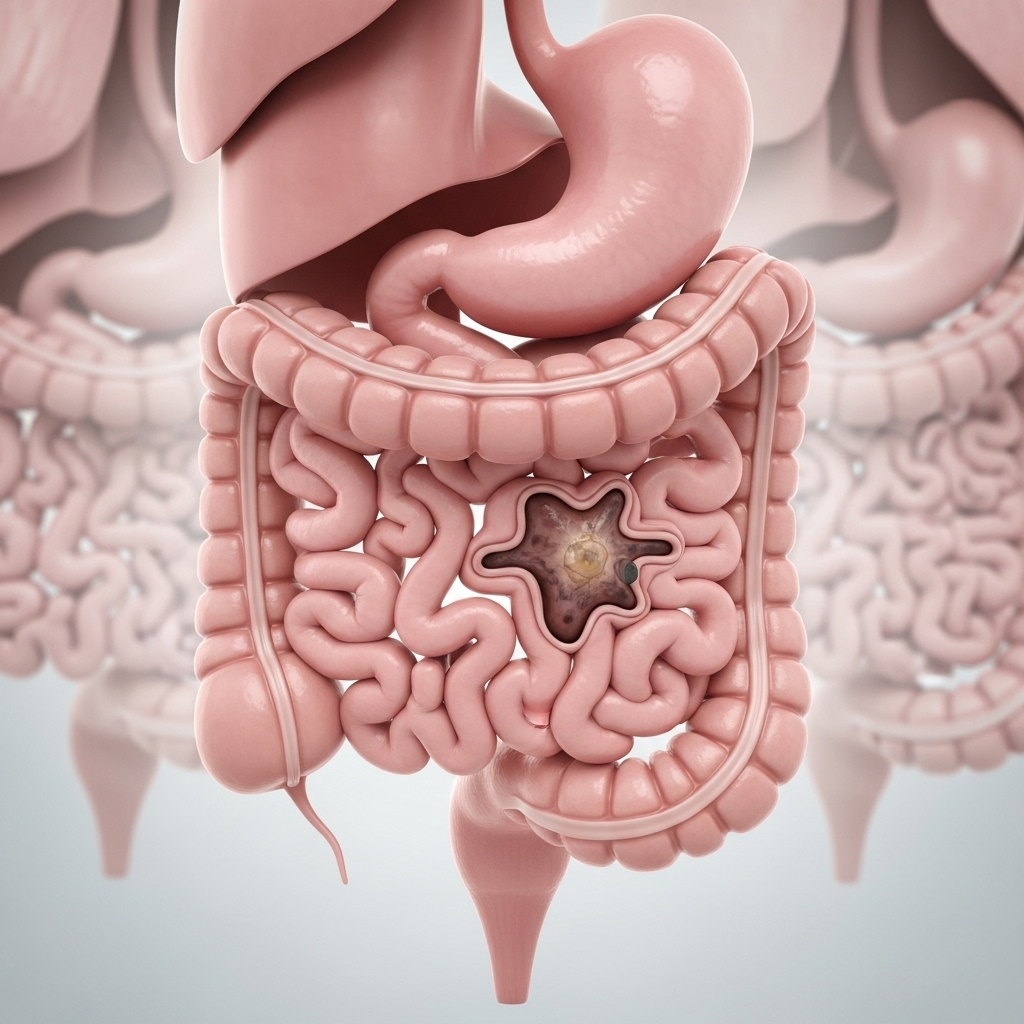
Colon cancer is the third most common cancer affecting Americans. Understanding this condition can help you recognize symptoms early and seek appropriate medical care. Early detection improves treatment outcomes, and awareness of risk factors guides preventive measures. Here is more information on this type of cancer, including its causes, symptoms, and screening options:
What Is Colon Cancer?
Colon cancer develops when cells in the large intestine grow uncontrollably, forming malignant tumors. The colon, also called the large bowel, represents the final portion of the digestive tract where water absorption occurs. Cancer typically begins as small, benign growths called polyps, and some of these polyps can become cancerous over time.
Most colon cancers are adenocarcinomas, which originate in the cells that produce mucus and other fluids. These tumors can spread to nearby tissues and organs if left untreated, and they may also metastasize to distant parts of the body through the bloodstream or lymphatic system. The disease progression varies among patients, with some cases developing slowly over several years while others advance more rapidly.
What Causes It?
Multiple factors contribute to the development of this cancer. Age represents a significant risk factor, with most diagnoses occurring in people over 50 years old. Genetic mutations, both inherited and acquired, can increase susceptibility to developing malignant tumors in the colon. Personal history of colorectal polyps or previous cancer diagnoses also increases the likelihood of developing colon cancer, and radiation exposure to the abdomen or pelvis in earlier treatments may contribute to cancer formation.
Lifestyle factors play a substantial role in cancer risk, and dietary choices particularly influence disease development. Diets high in processed meats and low in fiber may increase cancer risk, while excessive alcohol consumption and tobacco use also contribute to higher incidence rates. Inflammatory bowel diseases, such as Crohn’s disease and ulcerative colitis, create chronic inflammation that potentially leads to cancerous changes in colon tissues.
What Are the Early Symptoms?
Early colon cancer often produces subtle symptoms that patients may overlook or attribute to other conditions. Changes in bowel habits, including persistent diarrhea or constipation, can indicate developing cancer. Blood in stool, whether visible or detectable only through testing, represents a warning sign that requires medical evaluation.
Abdominal discomfort, including cramping or pain, may occur as tumors grow and obstruct normal bowel function. Unexplained weight loss and persistent fatigue can develop as cancer progresses, and these symptoms prompt patients to seek medical attention. Feeling that the bowel does not fully empty after bowel movements also indicates the presence of cancer.
Some patients experience changes in stool consistency or the presence of mucus in bowel movements. Narrow stools may occur when tumors partially obstruct the colon, and persistent abdominal bloating can develop as normal digestive processes become disrupted. Consulting a gastroenterologist helps diagnose this condition through various screening methods.
How Can a Gastroenterologist Help?
Gastroenterologists specialize in digestive system disorders and provide comprehensive colon cancer screening and diagnosis. These physicians perform colonoscopy procedures, which allow direct visualization of the entire colon and removal of suspicious polyps. Colonoscopy detects precancerous changes before they become malignant. Sigmoidoscopy is another screening option that examines the lower portion of the colon and rectum.
Schedule a Consultation Today
This cancer represents a serious but treatable condition when detected early through appropriate screening measures. Understanding risk factors, recognizing symptoms, and maintaining regular screening schedules can improve outcomes for at-risk individuals. Gastroenterologists provide specialized expertise in colon cancer prevention and screening. Contact a qualified gastroenterologist to discuss your individual risk factors and establish an appropriate screening schedule.
- What Is the Difference Between an Orthopedist and an Orthopedic Surgeon?
- What Does an Orthopedic Traumatologist Do? Complete Guide
- What Is the Pathology of the Skin? A Complete Guide
- What Is Dermatology Practical and Conceptual? Everything You Need to Know
- How Can I Find Dermatologos Cerca de Mi Ubicación? Complete Guide